How Many Calories Are in a Serving of Zucchini? The Quick Answer
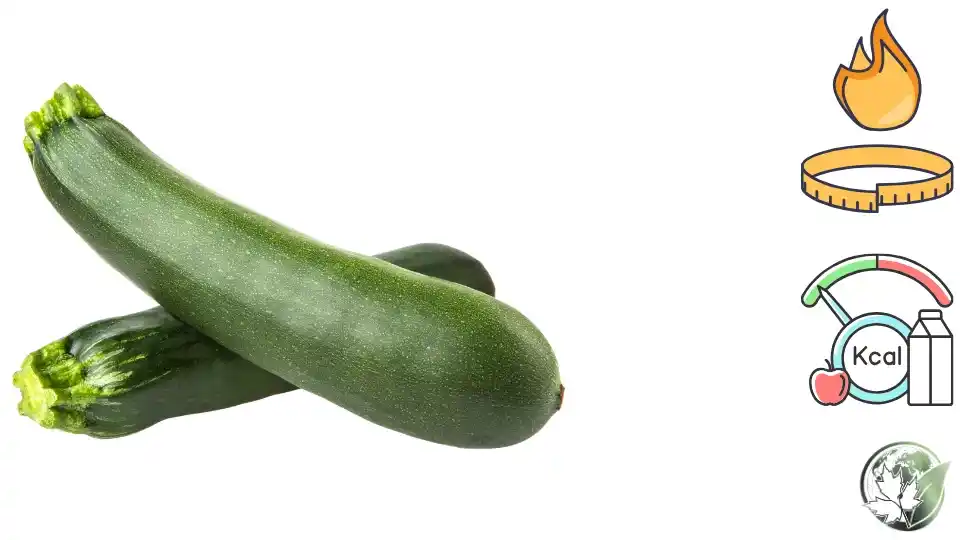
A standard serving of zucchini is one cup, and it has about 19 to 27 calories, depending on how it is cut and cooked. A cup of raw sliced zucchini (113 grams) has about 19 calories, a cup of raw chopped zucchini (124 grams) about 21, a cup of cooked, boiled slices (180 grams) about 27 and a cup of spiralized zucchini noodles (about 124 grams) about 21. A whole medium zucchini (196 grams) has about 33 calories, and per 100 grams raw, zucchini has 17 calories. Spaghetti, cooked, has about 158 calories per 100 grams and 220 per cup (140 grams), so a cup of zucchini has about ten times fewer calories than a cup of pasta.
Zucchini, also called courgette, is a summer squash that is about 95 percent water, with 3.1 grams of carbohydrate, 1.0 grams of fiber, 1.2 grams of protein and 0.3 grams of fat per 100 grams. Its mild flavor and tender texture make it one of the most versatile low calorie vegetables, and it is the base of the popular "zoodles", zucchini noodles used in place of pasta. Calories rise when zucchini is fried, breaded, stuffed with meat or rice, baked in cakes or topped with cheese, so the serving size and preparation decide the number.
This guide answers the practical question of how many calories are in a serving of zucchini in different forms, compares each with a similar serving of pasta, and gives guidance for portion size, carbohydrates, weight loss and cooking. There are three comparison tables, recipe ideas and an FAQ. Our separate guide compares zucchini with eggplant, while this one concentrates on serving sizes and the pasta swap.
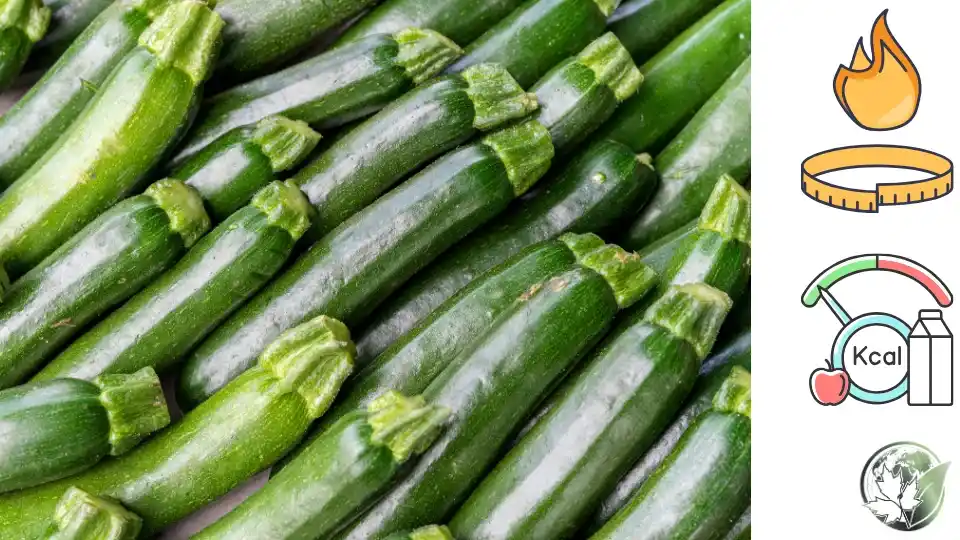
A cup of raw zucchini has about 21 calories
How Many Calories Are in Zucchini by Size, Cup and Slice?
| Portion | Weight | Calories | Carbs | Fiber | Sugar |
|---|---|---|---|---|---|
| 1 slice (1/4 inch) | 7 g | 1 kcal | 0.2 g | 0.1 g | 0.1 g |
| 5 slices | 35 g | 6 kcal | 1.1 g | 0.4 g | 0.7 g |
| 1 small zucchini | 118 g | 20 kcal | 3.7 g | 1.2 g | 2.4 g |
| 1 medium zucchini | 196 g | 33 kcal | 6.1 g | 2.0 g | 4.0 g |
| 1 large zucchini | 323 g | 55 kcal | 10.0 g | 3.2 g | 6.6 g |
| 1 cup sliced, raw | 113 g | 19 kcal | 3.5 g | 1.1 g | 2.3 g |
| 1 cup chopped, raw | 124 g | 21 kcal | 3.9 g | 1.2 g | 2.5 g |
| 1 cup spiralized | 124 g | 21 kcal | 3.9 g | 1.2 g | 2.5 g |
| 1 cup cooked, sliced | 180 g | 27 kcal | 4.9 g | 2.5 g | 4.4 g |
| 100 g raw | 100 g | 17 kcal | 3.1 g | 1.0 g | 2.5 g |
| 100 g boiled | 100 g | 15 kcal | 2.7 g | 1.4 g | 2.4 g |
| 500 g raw | 500 g | 85 kcal | 15.5 g | 5.0 g | 12.5 g |
A normal serving of zucchini at a meal is half to one cup, about 10 to 27 calories. Even a very generous two cups of cooked zucchini, at 54 calories, is about the same as a single slice of bread.
How Many Calories Are in a Serving of Zucchini Cooked Different Ways?
| Zucchini preparation | Serving | Calories | Fat | Carbs |
|---|---|---|---|---|
| Raw, sliced | 1 cup | 19 kcal | 0.2 g | 3.5 g |
| Boiled or steamed | 1 cup | 27 kcal | 0.6 g | 4.9 g |
| Grilled, dry | 1 cup | 30 kcal | 0.3 g | 5.5 g |
| Sautéed with 1 tsp oil | 1 cup | 70 kcal | 4.9 g | 4.0 g |
| Sautéed with 1 tbsp oil | 1 cup | 150 kcal | 13.7 g | 4.0 g |
| Roasted with 1 tsp oil | 1 cup | 65 kcal | 4.7 g | 4.0 g |
| Spiralized, raw | 1 cup | 21 kcal | 0.3 g | 3.9 g |
| Zoodles, sautéed 2 minutes with 1 tsp oil | 1 cup | 65 kcal | 4.7 g | 4.2 g |
| Fried, breaded | 1 cup | 190 kcal | 11 g | 17 g |
| Zucchini fritters | 1 fritter | 80 kcal | 5 g | 7 g |
| Stuffed zucchini with rice and meat | 1 half | 120 kcal | 6 g | 10 g |
| Zucchini soup, pureed | 1 cup | 90 kcal | 4 g | 10 g |
| Zucchini bread | 1 slice | 180 kcal | 8 g | 25 g |
| Zucchini lasagna | 1 piece | 240 kcal | 14 g | 12 g |
The cooking fat makes the biggest difference. A teaspoon of oil adds 40 calories, more than doubling a cup of raw zucchini. Frying and breading add more than 150 calories to a serving.
How Many Calories Are in a Serving of Pasta?
| Pasta type | Serving | Calories | Carbs | Protein | Fiber |
|---|---|---|---|---|---|
| Spaghetti, dry | 2 oz (56 g) | 200 kcal | 41 g | 7 g | 2 g |
| Spaghetti, cooked | 1 cup (140 g) | 220 kcal | 43 g | 8 g | 2.5 g |
| Spaghetti, cooked | 100 g | 158 kcal | 31 g | 5.8 g | 1.8 g |
| Whole wheat spaghetti, cooked | 1 cup (140 g) | 174 kcal | 37 g | 7.5 g | 6.3 g |
| Penne, cooked | 1 cup (107 g) | 170 kcal | 35 g | 6.3 g | 2.2 g |
| Egg noodles, cooked | 1 cup (160 g) | 221 kcal | 40 g | 7.2 g | 1.8 g |
| Chickpea pasta, cooked | 1 cup | 190 kcal | 34 g | 11 g | 8 g |
| Rice noodles, cooked | 1 cup (176 g) | 190 kcal | 44 g | 1.6 g | 1.8 g |
| Restaurant pasta plate | 3 cups | 660 kcal | 129 g | 24 g | 7 g |
A cup of cooked spaghetti has 220 calories and about 43 grams of carbohydrate. A restaurant portion is often three cups or more, which exceeds 600 calories before the sauce.
Zucchini vs Pasta: Calories Compared per Serving
| Serving | Zucchini | Pasta |
|---|---|---|
| 1/2 cup | 10 kcal raw, 14 kcal cooked | 110 kcal |
| 1 cup | 19 to 27 kcal | 220 kcal |
| 1.5 cups | 29 to 41 kcal | 330 kcal |
| 2 cups | 38 to 54 kcal | 440 kcal |
| 3 cups (restaurant size) | 57 to 81 kcal | 660 kcal |
| 100 g | 17 kcal raw | 158 kcal cooked |
| 1 plate, 2 cups, with 1/2 cup marinara and 1 tsp oil | 120 kcal | 520 kcal |
A plate of zoodles with sauce is about a quarter of the calories of a plate of spaghetti with the same sauce. By swapping a full plate, you can save 300 to 400 calories per meal.
Zucchini vs Pasta: Nutrition Compared
| Per 100 g | Zucchini (raw) | Spaghetti (cooked) |
|---|---|---|
| Calories | 17 kcal | 158 kcal |
| Carbohydrate | 3.1 g | 30.9 g |
| Sugar | 2.5 g | 0.6 g |
| Fiber | 1.0 g | 1.8 g |
| Protein | 1.2 g | 5.8 g |
| Fat | 0.3 g | 0.9 g |
| Vitamin C | 17.9 mg | 0 mg |
| Vitamin B6 | 0.16 mg | 0.05 mg |
| Folate | 24 mcg | 7 mcg |
| Potassium | 261 mg | 44 mg |
| Magnesium | 18 mg | 18 mg |
| Water | 94.6 g | 62 g |
| Per 100 calories | Zucchini | Pasta |
|---|---|---|
| Weight | 588 g | 63 g |
| Vitamin C | 105 mg | 0 mg |
| Potassium | 1,535 mg | 28 mg |
| Fiber | 5.9 g | 1.1 g |
| Protein | 7.1 g | 3.7 g |
Per calorie, zucchini offers far more vitamin C, potassium and even more protein than pasta, since a 100 calorie portion is almost 600 grams. Pasta is a source of energy and some protein, B vitamins and minerals through enrichment, and it keeps you full for longer because of its dense carbohydrate. The zoodle swap is a volume trade: you get a large plate for few calories, but less staying power.
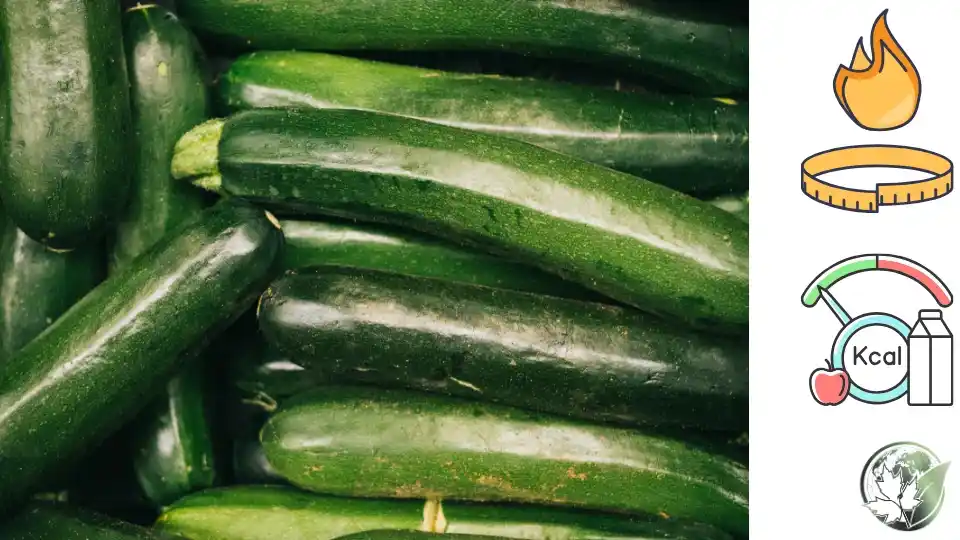
A cup of zoodles has about 21 calories compared with 220 for spaghetti
How Do You Make Zucchini Noodles Without Making Them Watery?
Zoodles can turn soggy because zucchini is 95 percent water. Spiralize fresh, firm zucchini and sprinkle lightly with salt, then leave to drain in a colander for 10 to 15 minutes, and pat dry with a towel. Cook them very briefly, for one to two minutes in a hot pan with a teaspoon of oil, or simply pour hot sauce over raw noodles and let the heat soften them. Do not overcook, since zucchini turns mushy after about three minutes. Serve with a thick sauce, such as tomato, pesto or a meat ragu, because thin sauces will thin further as the zoodles release moisture. For firmer noodles, use medium zucchini, not oversized ones, which have more seeds and water.
A blended approach is popular: half zoodles and half pasta. A plate with one cup of spaghetti and one cup of zoodles has about 240 calories, compared with 440 for two cups of pasta, and many people find the texture satisfying.
| Plate | Calories | Carbs | Notes |
|---|---|---|---|
| 2 cups spaghetti | 440 kcal | 86 g | Plain |
| 1 cup spaghetti + 1 cup zoodles | 241 kcal | 47 g | Half and half |
| 2 cups zoodles | 42 kcal | 8 g | Plain |
| Add 1/2 cup marinara | +80 kcal | +10 g | Sauce |
| Add 3 meatballs | +250 kcal | +12 g | Protein |
Is Zucchini Low in Carbs?
Yes, zucchini is a low carbohydrate vegetable. A cup of raw slices contains about 3.5 grams of total carbohydrate and 2.4 grams of net carbohydrate, after subtracting fiber. This makes it a staple of low carb and ketogenic diets, which often limit carbohydrate to 20 to 50 grams a day. In contrast, a cup of cooked spaghetti has about 43 grams, which could use up an entire day's allowance. Zucchini can be used in place of lasagna sheets, noodles, rice substitutes and even flatbreads, and in baking to add moisture. Because of its low carbohydrate and high water content, zucchini has a very low glycemic index, around 15, and a negligible glycemic load, so it is also a good choice for people managing blood sugar.
Is Zucchini Good for Weight Loss?
Zucchini is an excellent food for weight loss. It contains just 17 calories per 100 grams, with fiber and water that help fill you up. Swapping some or all of the pasta, rice or potatoes in a meal for zucchini can reduce the calories by several hundred, and the mild taste makes it easy to add to any dish. The USDA's recommendations for filling half your plate with vegetables are easier to follow with a versatile vegetable such as zucchini. Eating a bowl of zucchini soup before a meal can help you eat less overall, and a snack of zucchini sticks with hummus is much lighter than chips.
The main way to ruin the benefit is with what you add. Frying zucchini in a quarter cup of oil gives 480 calories, and baking zucchini in a cheese sauce can bring the total to 300 or more. Use a spray or a teaspoon of oil, season with herbs, garlic and lemon, and sprinkle with a little parmesan rather than adding a cup of cheese.
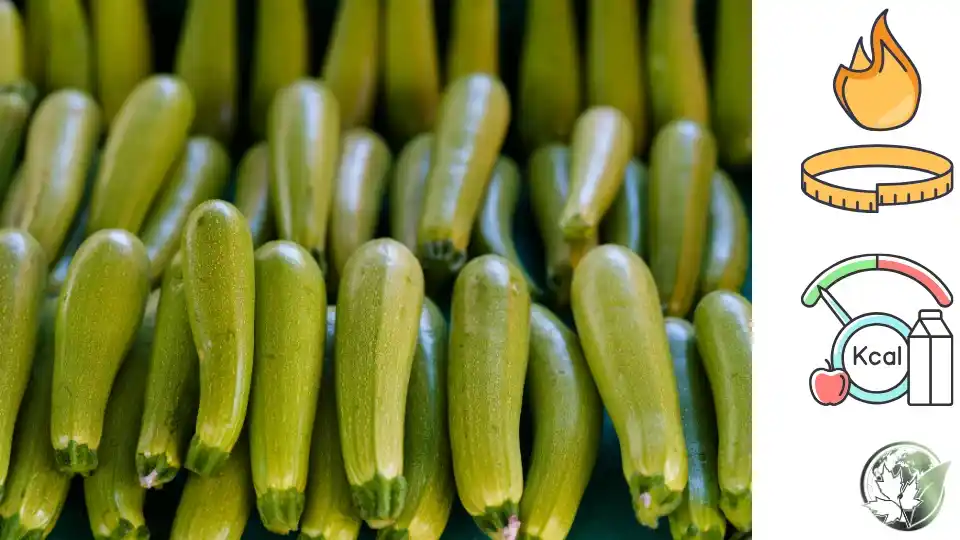
Grilled zucchini with a spritz of oil has about 30 calories per cup
What Are the Health Benefits of Zucchini?
Zucchini is a good source of vitamin C, with about 18 milligrams per 100 grams, as well as vitamin B6, folate, potassium and manganese. The skin contains antioxidants such as lutein and zeaxanthin, which support eye health, so it is best to eat zucchini unpeeled. Its high water and fiber contents promote digestion and hydration. The potassium helps with blood pressure control, and the low calorie profile supports weight and heart health. Zucchini is usually well tolerated, even by people with sensitive stomachs, and is a common early food for babies when cooked until soft. A very bitter zucchini, which can contain cucurbitacins, should be discarded, as these compounds can cause stomach upset.
How Many Calories Are in Zucchini Dishes Compared With Pasta Dishes?
| Dish | Serving | Calories | Notes |
|---|---|---|---|
| Zucchini salad, raw ribbons with lemon | 1 cup | 40 kcal | Olive oil |
| Grilled zucchini | 1 cup | 30 kcal | Dry |
| Zucchini and tomato sauté | 1 cup | 80 kcal | 1 tsp oil |
| Zucchini soup | 1 cup | 90 kcal | Pureed |
| Zucchini fritters | 2 fritters | 160 kcal | Egg, flour |
| Stuffed zucchini (dolmeh kadoo) | 2 halves | 240 kcal | Rice and meat |
| Zucchini boats with cheese | 1 boat | 150 kcal | Cheese |
| Zoodles with marinara | 2 cups | 120 kcal | Light sauce |
| Zoodles with pesto | 2 cups | 280 kcal | Pesto 2 tbsp |
| Spaghetti with marinara | 2 cups | 520 kcal | Same sauce |
| Spaghetti carbonara | 2 cups | 700 kcal | Cream, egg, bacon |
| Fettuccine Alfredo | 2 cups | 900 kcal | Cream, cheese |
How to Choose, Store and Prepare Zucchini
Choose small to medium zucchini, 15 to 20 centimeters long, with glossy, firm, unblemished skin. Smaller ones are sweeter with fewer seeds, while large ones are watery and may be bitter. Store unwashed in a perforated bag in the refrigerator crisper for up to a week. Wash just before use. You do not need to peel zucchini, and the skin is nutritious. Cut off both ends and slice, dice or spiralize. To freeze, grate or slice, blanch for one minute, cool, drain and freeze, which works well for soups and baking. Salting sliced zucchini for 10 minutes and patting it dry removes excess moisture before sautéing or baking.
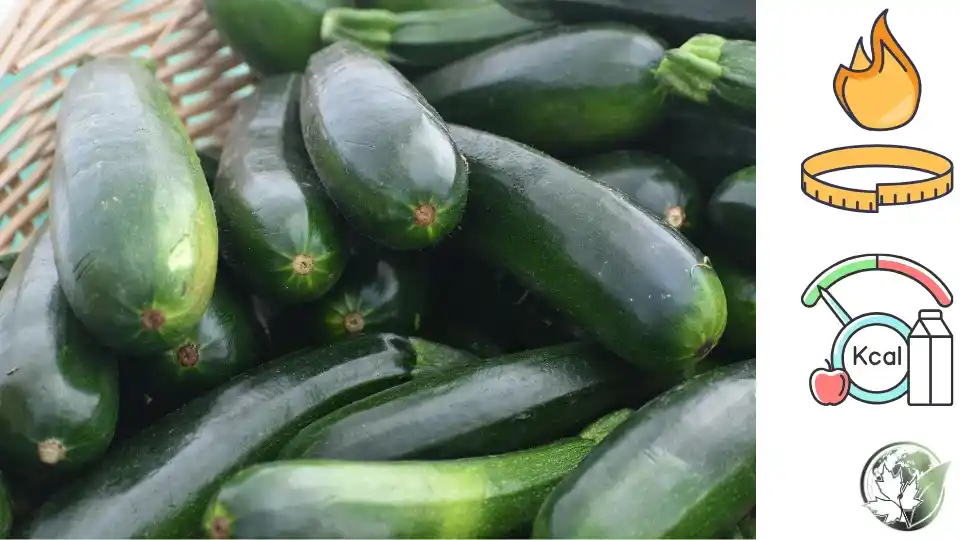
Choose small to medium zucchini, which are sweeter with fewer seeds
How to Count Zucchini Calories Accurately
Weigh zucchini raw and use 17 calories per 100 grams, or count a medium zucchini as 33 calories. For cooked, use 15 per 100 grams, but note that cooked zucchini shrinks, so a cup cooked is more raw zucchini than a cup raw. Always count the oil, butter and cheese separately, since they typically outweigh the vegetable. When you swap zucchini for pasta, remember that the sauce and toppings will also affect totals.
How Much Zucchini Counts as One Serving?
Different guidelines define a serving slightly differently, which can confuse. In the United States, one cup of raw or cooked vegetables, or two cups of raw leafy greens, counts as a cup-equivalent in the dietary guidelines, so a cup of zucchini is one serving. In the United Kingdom, a portion of vegetables is 80 grams, about 3 heaped tablespoons cooked, which for zucchini is about 14 calories raw. Many nutrition labels use 85 grams or 3 ounces, which is 14 calories. For recipes, a medium zucchini of about 200 grams usually feeds two as a side dish, so each serving is 100 grams and 17 calories before oil. Because zucchini is so low in calories, being a little off in portion size does not significantly change your totals.
| Serving definition | Weight | Calories (raw) |
|---|---|---|
| UK portion (80 g) | 80 g | 14 kcal |
| 3 oz (85 g) | 85 g | 14 kcal |
| US cup, sliced | 113 g | 19 kcal |
| US cup, chopped | 124 g | 21 kcal |
| Half a medium zucchini | 98 g | 17 kcal |
| Whole medium zucchini | 196 g | 33 kcal |
What Are Easy Zucchini Recipes Under 100 Calories?
Simple preparations make zucchini a regular part of meals. Lemon garlic zucchini ribbons: shave a medium zucchini with a vegetable peeler, toss with lemon juice, a pinch of salt, a clove of crushed garlic and a teaspoon of olive oil, for about 75 calories for two servings. Baked zucchini fries: cut into sticks, toss with a tablespoon of grated parmesan and a pinch of paprika, and bake at 220 degrees Celsius for 20 minutes, for about 60 calories per serving. Zucchini and egg scramble: sauté grated zucchini with an egg and herbs, for about 110 calories. Cold zucchini and yogurt dip: grate and drain zucchini, mix with 100 grams of plain yogurt, garlic and mint, for about 40 calories per serving. Zucchini and tomato soup: simmer with onion, stock and herbs, then blend, for about 60 calories a cup. Each of these takes under 20 minutes.
How Can You Use Zucchini to Replace Other High Calorie Foods?
Beyond noodles, zucchini replaces several higher calorie ingredients. Grated and squeezed zucchini can replace some of the flour or fat in muffins and cakes, since it adds moisture, so that a loaf can use less oil, with about 150 instead of 250 calories per slice. Thin lengthwise slices can substitute for lasagna sheets, cutting about 100 calories a serving. Zucchini boats replace pizza bases, at about 60 calories compared with 200 for a slice of crust. Riced zucchini can replace part of the rice in a bowl or stir-fry, giving 20 calories per cup instead of 205. In meatballs and burgers, a handful of grated zucchini adds juiciness and bulk, so you can use less meat or breadcrumb. These swaps keep dishes familiar while lowering calories and increasing vegetables.
Are There Any Downsides to Replacing Pasta With Zucchini?
Zucchini noodles are not a perfect substitute. Pasta provides about 8 grams of protein and 43 grams of carbohydrate a cup, which fuels activity and keeps you full for hours, while zoodles provide about 1.4 grams of protein and 4 grams of carbohydrate. If you replace a whole pasta meal with zoodles and sauce, make sure to add protein, such as chicken, fish, beans, tofu or meatballs, and a healthy fat, or you may feel hungry within an hour or two. Athletes and very active people, who need carbohydrates for energy, may prefer to mix zoodles with pasta rather than replace it entirely. Some people dislike the soft texture of zoodles, and others find large amounts of raw zucchini cause bloating. The best approach is flexible: use zoodles when you want a lighter meal, a mix when you want volume and some comfort, and regular pasta in sensible portions when you need energy and enjoy it.
What Is the Difference Between Zucchini, Courgette, Summer Squash and Marrow?
These names overlap. Zucchini is the American and Italian-derived name, and courgette is the British and French name for the same slender, dark green squash. Summer squash is a broader category that includes zucchini, yellow squash and pattypan, all harvested young, with soft edible skin, and all with around 16 to 20 calories per 100 grams. A marrow is a mature zucchini left to grow large, with a tougher skin and more watery flesh, at about 15 calories per 100 grams. Calories are similar across these types, so use whichever is fresh and tender. In the Middle East and Iran, small, pale green kadoo, often used for stuffed vegetables, is closely related, and has about 17 calories per 100 grams.
Key Takeaways: Zucchini Calories Per Serving vs Pasta
A serving of zucchini, one cup, has about 19 to 27 calories, compared with about 220 for a cup of cooked spaghetti. A medium zucchini has just 33 calories and 17 per 100 grams. Use zoodles in place of some or all of the pasta, keep oil to a teaspoon, and avoid frying and heavy cheese so that you keep the savings.
Frequently Asked Questions
6 questions answered
How many calories are in a cup of zucchini?
About 19 to 21 raw and about 27 cooked.
How many calories are in a medium zucchini?
About 33.
Does zucchini have fewer calories than pasta?
Yes, about ten times fewer per cup.
Is zucchini good for low carb diets?
Yes, it has about 2.4 grams of net carbs per cup.
How do you keep zoodles from getting watery?
Salt, drain and cook them for only one to two minutes.
Should I peel zucchini?
No, the skin has most of the antioxidants.