Barbecue Sauce vs Butter Calories at a Glance
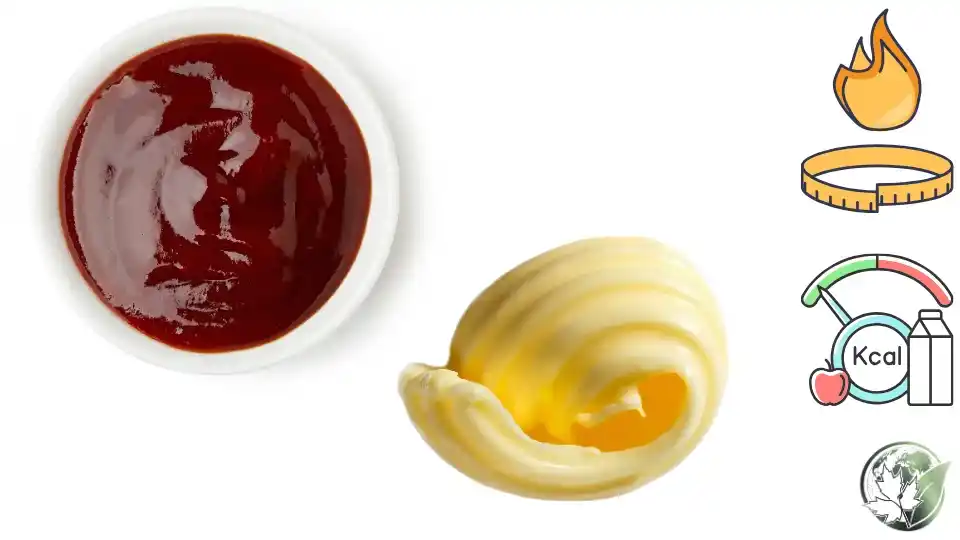
Barbecue sauce vs butter calories is a comparison between a sweet, tangy, almost fat-free condiment and a pure dairy fat. A tablespoon of regular barbecue sauce weighs about 17 grams and contains roughly 29 calories. A tablespoon of butter weighs about 14 grams and contains roughly 102 calories. That makes butter about 3.5 times as calorie dense as barbecue sauce by spoon, and about 4.2 times as dense by weight, at 717 calories per 100 grams versus 172.
The numbers tell only part of the story. Barbecue sauce gets nearly all of its calories from sugar, with about 33 grams of sugar per 100 grams, while butter gets all of its calories from fat, mainly saturated fat. Barbecue sauce also carries a lot of sodium, around 1000 milligrams per 100 grams, which can matter if you use it generously. Butter, on the other hand, has almost no carbohydrate, no sugar and a smaller amount of salt unless it is salted.
This guide compares the two per teaspoon, per tablespoon, per serving and per 100 grams. It looks at how each is used when you grill, bake, dip and spread, offers swaps that cut calories without ruining flavor and answers common questions. You will find three comparison tables and an FAQ at the end.
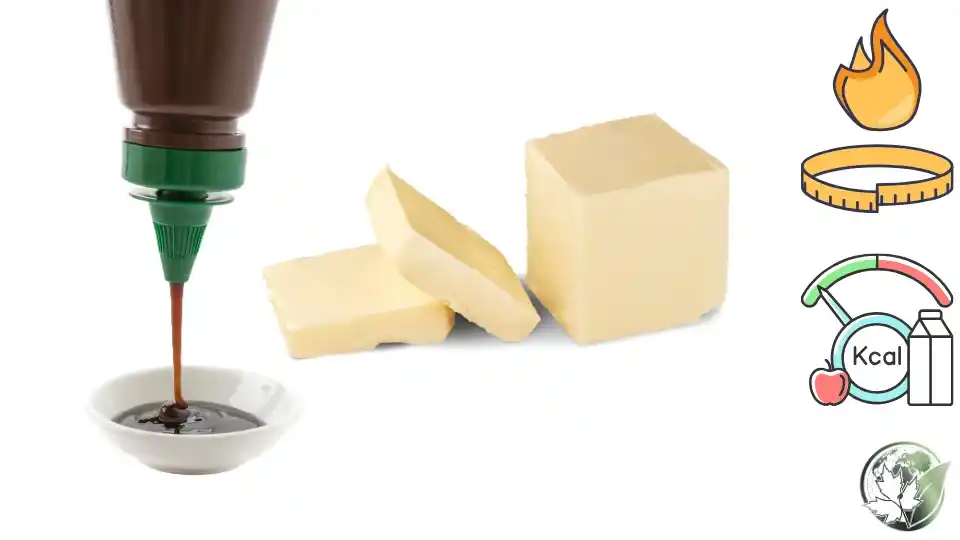
One tablespoon of barbecue sauce adds about 29 calories, mostly from sugar
How Many Calories Are in Barbecue Sauce?
Barbecue sauce is made from tomato, vinegar, sugar or molasses, spices and often smoke flavor. Because fat is minimal, the calories come mainly from added sugar. A standard reference value is 172 calories per 100 grams, though brands range from about 110 for reduced sugar sauces to more than 230 for thick, sweet, honey-style sauces.
| Barbecue sauce portion | Weight | Calories | Sugar | Sodium |
|---|---|---|---|---|
| 1 teaspoon | 6 g | 10 kcal | 2 g | 60 mg |
| 1 tablespoon | 17 g | 29 kcal | 5.6 g | 175 mg |
| 2 tablespoons (serving) | 34 g | 58 kcal | 11.2 g | 350 mg |
| 1/4 cup | 68 g | 117 kcal | 22.4 g | 700 mg |
| 1 cup | 275 g | 473 kcal | 91 g | 2800 mg |
| 100 g | 100 g | 172 kcal | 33 g | 1030 mg |
A two tablespoon serving, the one used on many nutrition labels, has about 58 calories and 11 grams of sugar. Many people use three to four tablespoons on ribs, wings or a burger, which brings the calories to 90 to 120 and the sugar to about 17 to 22 grams.
How Many Calories Are in Butter?
Butter is concentrated fat: about 81 percent fat, 16 percent water and a small amount of protein and milk solids. That composition gives it 717 calories per 100 grams, or about 7.2 calories per gram.
| Butter portion | Weight | Calories | Fat | Saturated fat |
|---|---|---|---|---|
| 1 teaspoon | 4.7 g | 34 kcal | 3.8 g | 2.4 g |
| 1 pat | 5 g | 36 kcal | 4.1 g | 2.6 g |
| 1 tablespoon | 14.2 g | 102 kcal | 11.5 g | 7.3 g |
| 2 tablespoons | 28 g | 204 kcal | 23 g | 14.6 g |
| 1/4 cup | 57 g | 408 kcal | 46 g | 29 g |
| 1 stick (1/2 cup) | 113 g | 810 kcal | 92 g | 58 g |
| 100 g | 100 g | 717 kcal | 81 g | 51 g |
Salted butter contains about 640 milligrams of sodium per 100 grams, while unsalted butter has about 11. Cultured butter, ghee and European-style butters with higher fat content can reach 740 to 900 calories per 100 grams, with ghee at the top because it has almost no water.
Barbecue Sauce vs Butter: Calories per Tablespoon and per 100 g
Putting the two side by side shows how different they are in nutrient makeup, not just calories.
| Per tablespoon | Barbecue sauce (17 g) | Butter (14 g) |
|---|---|---|
| Calories | 29 kcal | 102 kcal |
| Fat | 0.1 g | 11.5 g |
| Saturated fat | 0 g | 7.3 g |
| Carbohydrate | 7 g | 0 g |
| Sugar | 5.6 g | 0 g |
| Protein | 0.2 g | 0.1 g |
| Sodium | 175 mg | 90 mg (salted) |
| Cholesterol | 0 mg | 31 mg |
| Per 100 g | Barbecue sauce | Butter |
|---|---|---|
| Calories | 172 kcal | 717 kcal |
| Fat | 0.6 g | 81 g |
| Carbohydrate | 40 g | 0.1 g |
| Sugar | 33 g | 0.1 g |
| Sodium | 1030 mg | 643 mg |
A tablespoon of butter has 3.5 times the calories of a tablespoon of barbecue sauce, but barbecue sauce has about 2.0 times the sodium and delivers 1.4 sugar cubes' worth of sugar per spoon. Neither is a nutrient-rich food, and both should be used in measured amounts.
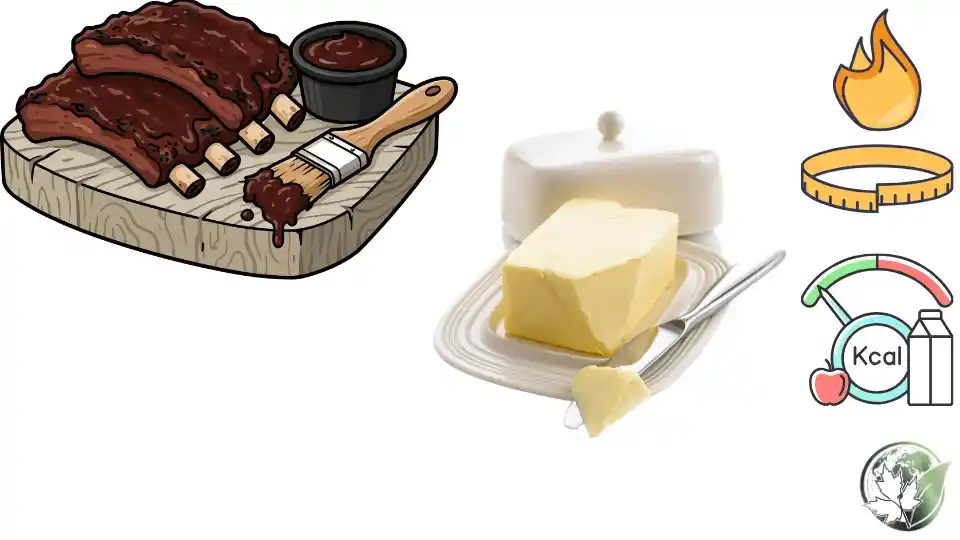
A tablespoon of butter has about 102 calories, compared with 29 for barbecue sauce
Why Are Butter Calories So Much Higher Than Barbecue Sauce Calories?
The explanation is simple chemistry. Fat provides 9 calories per gram, while carbohydrate provides 4. Butter is 81 percent fat, so each gram of butter contains about 7.3 calories. Barbecue sauce is about 40 percent carbohydrate and the rest mostly water, so each gram holds about 1.7 calories.
Water is the other factor. Barbecue sauce contains around 55 to 60 percent water, which dilutes its energy. Butter has only about 16 percent water. That explains why a tablespoon of sauce feels light while a tablespoon of butter feels rich.
Understanding this helps in the kitchen. If you want flavor without many calories, acidic and spicy sauces with little oil are efficient. If you want richness and mouthfeel, a small amount of butter goes a long way, but it should be counted carefully. A thin pat on a vegetable is a flavor accent, whereas a quarter stick in a pan is a major calorie addition.
How to Compare Sauce and Butter Fairly in a Recipe
Recipes rarely use equal amounts of sauce and butter, so the fair comparison is the typical use. A basting recipe for chicken might use two tablespoons of barbecue sauce per serving, or 58 calories. A pan-seared chicken might use a tablespoon of butter per serving, or 102 calories. A glaze that combines both, such as buffalo-style sauce, typically uses butter and hot sauce in roughly equal amounts and can reach 60 to 70 calories per tablespoon.
When a recipe lists butter in the marinade or sauce, check whether the amount is per serving or for the whole dish. One-quarter cup of butter divided among four servings is 102 calories per person. A cup of barbecue sauce divided among eight servings of ribs is 59 calories per person. Dividing the total by the number of servings reveals which ingredient is doing the heavy lifting.
You can also compare the sugar and fat. A rack of ribs glazed with a cup of sauce adds about 91 grams of sugar, which is 23 sugar cubes' worth, in addition to the meat. That is fewer calories than butter, but many more grams of sugar, so health priorities may change the choice.
How Do Barbecue Sauce and Butter Compare with Other Sauces and Fats?
Seeing other condiments in context shows where barbecue sauce and butter sit on the scale. Tablespoon values below use common reference weights.
| Condiment or fat (1 tablespoon) | Calories | Main source |
|---|---|---|
| Barbecue sauce | 29 kcal | Sugar |
| Ketchup | 17 kcal | Sugar |
| Mustard | 3 kcal | Minimal |
| Hot sauce | 1 kcal | Minimal |
| Mayonnaise | 94 kcal | Fat |
| Butter | 102 kcal | Fat |
| Olive oil | 119 kcal | Fat |
| Honey | 64 kcal | Sugar |
Barbecue sauce is about average among sweet condiments and far lighter than fats such as mayonnaise, butter and oil. If your main goal is lowering calories, switching from a buttery or creamy sauce to a tomato-based one is a reliable strategy. If your goal is lowering sugar, use a smaller amount of sauce or choose one with no added sugar.
How Much Sugar Is in Barbecue Sauce Compared with Butter?
Barbecue sauce is a hidden source of sugar. A two tablespoon serving holds about 11 grams of sugar, equal to about 2.8 sugar cubes of 4 grams. A generous quarter cup holds 22 grams, nearly 5.6 cubes. Butter contains no sugar at all.
The World Health Organization recommends keeping free sugars below 10 percent of daily calories, about 50 grams for a 2000 calorie diet. A burger with ketchup and barbecue sauce, a side of coleslaw and a barbecue sauce dip can easily add 30 grams of sugar before drinks and dessert. Reading the label is the best way to keep track.
Look for sauces that list tomato paste or vinegar first, not sugar, high fructose corn syrup or molasses. Reduced sugar versions typically have 4 to 6 grams of sugar per two tablespoons and about 25 to 35 calories. Homemade sauces made with tomato paste, vinegar, spices and a little honey give you control and often have fewer calories than store brands.
How to Cut Calories When Using Barbecue Sauce
You can enjoy barbecue flavor without a heavy calorie load. The most effective approach is to change how you apply the sauce.
Brush a thin layer in the last five minutes of cooking instead of soaking the meat
Use a basting brush rather than pouring, which cuts the amount by about half
Serve extra sauce on the side so people can dip lightly
Mix sauce with vinegar or tomato puree to stretch it with fewer calories
Add smoked paprika, garlic and pepper to the meat so you need less sauce
Choose reduced sugar or no sugar added sauces
Brushing a tablespoon on a chicken thigh instead of using four tablespoons saves about 87 calories and 17 grams of sugar. Over a barbecue with six people, the savings become more than 500 calories.
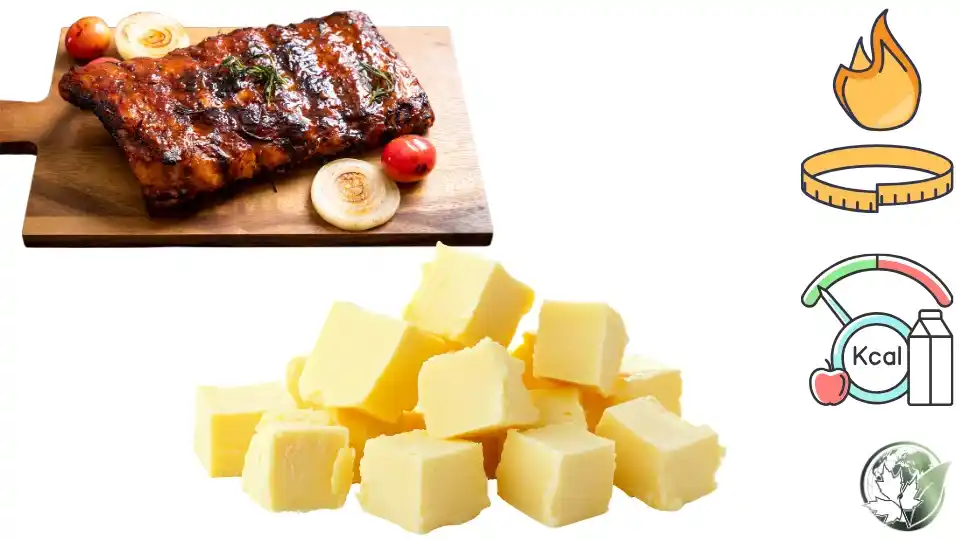
Brushing a thin layer of sauce at the end of grilling cuts calories and sugar
How to Cut Calories When Using Butter
Butter adds irreplaceable flavor, so reducing it works best with technique and smart partial swaps. Measure it instead of eyeballing, because a casual swipe can easily be 2 tablespoons. Spread butter thinly on warm toast, because it melts into the bread and tastes stronger.
In cooking, replace half the butter with olive oil or a splash of broth. In baking, replace a quarter to a half of the butter with unsweetened applesauce or Greek yogurt, saving about 50 calories per tablespoon swapped. On vegetables, finish with a teaspoon of butter, 34 calories, for flavor, and add lemon or herbs.
Use clarified or browned butter for a deeper flavor. Browned butter tastes nuttier, so a teaspoon can do the work of a tablespoon. A teaspoon of browned butter on a bowl of vegetables adds about 34 calories and a lot of taste.
How Do Wings, Ribs and Burgers Change the Calorie Math?
Barbecue sauce and butter often appear together in popular dishes. A basket of grilled wings with barbecue sauce contains roughly 8 wings, each coated with a tablespoon of sauce, adding about 232 calories from the sauce. Buffalo wings tossed in butter and hot sauce add about 100 calories per wing from the coating if the butter is generous.
| Dish | Sauce or butter used | Added calories |
|---|---|---|
| 8 BBQ wings, 1 tablespoon sauce each | 8 tablespoons sauce | 232 kcal |
| 8 buffalo wings, 1 tablespoon butter-based coating each | 8 tablespoons coating | 500 to 600 kcal |
| Pulled pork sandwich with 3 tablespoons BBQ sauce | 3 tablespoons sauce | 87 kcal |
| Corn on the cob with 1 tablespoon butter | 1 tablespoon butter | 102 kcal |
| Baked potato with 1 tablespoon butter | 1 tablespoon butter | 102 kcal |
| Burger with 2 tablespoons BBQ sauce | 2 tablespoons sauce | 58 kcal |
The takeaway is that butter-based coatings add more than twice the calories of barbecue sauce for the same volume, but sauces add sugar and sodium. In either case, the foods underneath, such as fried chicken skin or a large bun, usually add much more than the condiment.
How to Store Barbecue Sauce and Butter
Unopened barbecue sauce keeps for one to two years in the pantry. Once opened, refrigerate it and use it within four to six months. Homemade sauce lasts about two weeks in the refrigerator, and longer if it contains plenty of vinegar and sugar.
Butter should be kept in the refrigerator for up to three months in its wrapper, or frozen for up to nine months. A small portion can sit in a covered butter dish at room temperature for a day or two, especially if salted. Butter absorbs odors, so wrap it tightly.
For businesses and importers, shipping butter requires cold chain control, while barbecue sauce is shelf stable and easier to transport. That is one reason sauces are common export items while butter is usually produced locally or shipped in refrigerated containers.
What Are Healthier Alternatives to Both?
If you want a lower calorie barbecue flavor, make a quick sauce from tomato puree, apple cider vinegar, smoked paprika, garlic powder, mustard and a teaspoon of honey. Per tablespoon, it can come in at about 12 calories. Another option is a dry rub of paprika, brown sugar, salt and pepper, which adds flavor with almost no calories per serving.
For butter alternatives, use olive oil in small amounts, mashed avocado on toast, Greek yogurt on baked potatoes, or a light margarine if you prefer, checking that it is free of trans fat. For flavor without fat, try herbs, citrus zest, garlic or a spoonful of pesto.
None of these are mandatory. A balanced diet can include both barbecue sauce and butter in moderation. The best choice is the one you enjoy enough to use in reasonable amounts.
A thin brush of butter or sauce gives flavor without a large calorie cost
How Do Different Barbecue Sauce Styles Compare in Calories?
Barbecue sauce is not one product. Regional styles use different sweeteners, vinegars and spices, and the calories shift with the sugar. The table gives typical values per tablespoon of 17 grams.
| Sauce style | Calories per tablespoon | Sugar per tablespoon | Notes |
|---|---|---|---|
| Classic tomato-based | 29 kcal | 5.6 g | The reference value on most labels |
| Honey or brown sugar style | 35 kcal | 7.5 g | Thicker and sweeter |
| Smoky hickory | 28 kcal | 5.2 g | Similar to classic |
| Carolina vinegar style | 10 kcal | 1.5 g | Thin, tangy, very light |
| Mustard-based | 15 kcal | 2.5 g | Mustard and vinegar with some sugar |
| Reduced sugar | 15 kcal | 2 g | Sweetened with sucralose or stevia |
| Sticky Asian-style glaze | 40 kcal | 8.5 g | Heavy in sugar and soy |
If you love the taste but want fewer calories, a vinegar-based or mustard-based sauce is the best swap, because it delivers tang without much sugar. Thick, glossy glazes are the heaviest, since the sugar content is what makes them cling.
How Does Butter Compare with Ghee, Margarine and Cooking Oils?
When people reduce butter, they often wonder about alternatives. All fats have between 8 and 9 calories per gram, except those diluted by water. Butter has less than pure oil because of its water content. The table lists tablespoon values.
| Fat (1 tablespoon) | Weight | Calories | Saturated fat |
|---|---|---|---|
| Butter | 14 g | 102 kcal | 7.3 g |
| Ghee | 13 g | 112 kcal | 7.9 g |
| Margarine, stick | 14 g | 101 kcal | 2.0 g |
| Light margarine spread | 14 g | 50 kcal | 1.0 g |
| Olive oil | 14 g | 119 kcal | 1.9 g |
| Sunflower oil | 14 g | 120 kcal | 1.4 g |
| Coconut oil | 14 g | 121 kcal | 11.6 g |
Replacing butter with olive oil does not reduce calories, since oil has even more per tablespoon. The benefit is a better fat profile, with less saturated fat and more monounsaturated fat. If calories are your priority, reduce the amount, not just the type.
How to Calculate the Calories in a Homemade Barbecue Sauce
Making your own sauce gives you full control and an accurate calorie count. List each ingredient with its weight, look up the calories and add them. A simple recipe might use 200 grams of tomato paste at 82 calories per 100 grams, 60 grams of apple cider vinegar at 3, 40 grams of brown sugar at 380 per 100 grams, 20 grams of molasses at 290 per 100, and spices that add almost nothing. The total is roughly 164 plus 2 plus 152 plus 58, or about 376 calories for 320 grams of sauce.
Divide by the number of tablespoons you get, about 19, and each tablespoon has roughly 20 calories, noticeably lower than most commercial sauces. Simmering reduces water and can concentrate the sauce, so weigh the final batch to see the real yield. A reduced batch of 250 grams would have 376 calories in about 15 tablespoons, or 25 calories each.
Adjust the recipe to your goals. Cutting the brown sugar in half drops the batch by about 76 calories, and using a teaspoon of honey in place of molasses adds a similar sweetness for fewer calories.
Key Takeaways: Barbecue Sauce vs Butter Calories
One tablespoon of barbecue sauce has about 29 calories and 5.6 grams of sugar, while one tablespoon of butter has about 102 calories and 11.5 grams of fat. By weight, butter has 717 calories per 100 grams versus 172 for barbecue sauce. Butter is therefore about 3.5 times as calorie dense per spoon, but sauce brings sugar and sodium that butter does not.
Measure both, apply them thinly and pick the one that matches your goal. For fewer calories, choose sauce or herbs. For richness, use a small, well-measured amount of butter.
Frequently Asked Questions
8 questions answered
How many calories are in a tablespoon of barbecue sauce?
A tablespoon of regular barbecue sauce, about 17 grams, has roughly 29 calories and about 5.6 grams of sugar.
How many calories are in a tablespoon of butter?
A tablespoon of butter, about 14 grams, has about 102 calories and 11.5 grams of fat.
Does barbecue sauce have fewer calories than butter?
Yes. Per tablespoon, barbecue sauce has about 29 calories compared with 102 for butter, so butter has about 3.5 times as many.
Is barbecue sauce healthier than butter?
It is lower in calories and fat, but higher in sugar and sodium. Neither is a health food, and both are best used in small amounts.
How much sugar is in barbecue sauce?
About 33 grams per 100 grams, or roughly 5.6 grams per tablespoon, which is about 1.4 sugar cubes.
How many calories are in 2 tablespoons of barbecue sauce?
Two tablespoons, a typical label serving, have about 58 calories and 11 grams of sugar.
Can I use barbecue sauce instead of butter?
In many dishes, such as on vegetables or baked potatoes, flavor will differ, but sauce can replace butter if you want fewer calories. Check the added sugar and sodium.
Is unsalted butter lower in calories than salted butter?
No. Salted and unsalted butter have the same calories, about 717 per 100 grams. The difference is sodium.