
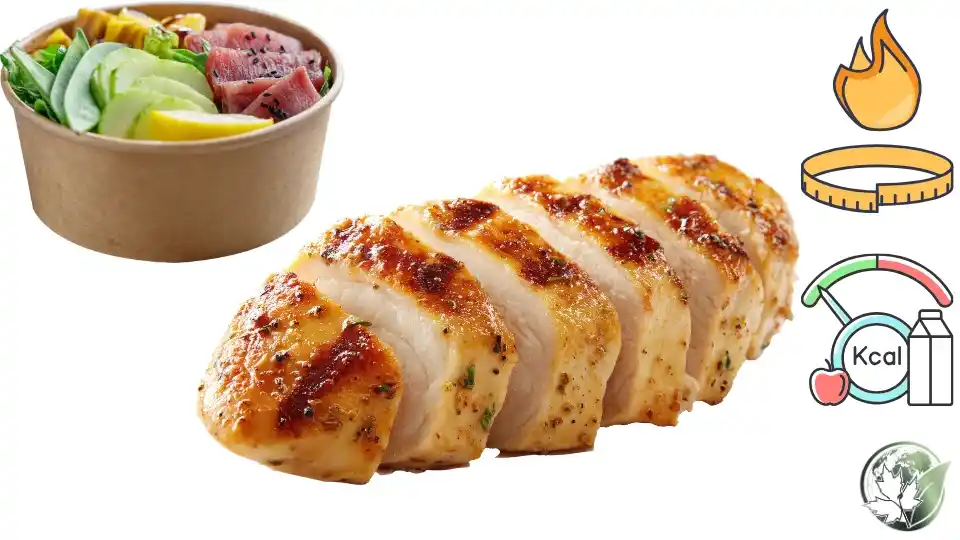
How Many Calories Are in Tuna With Vegetables? The Quick Answer
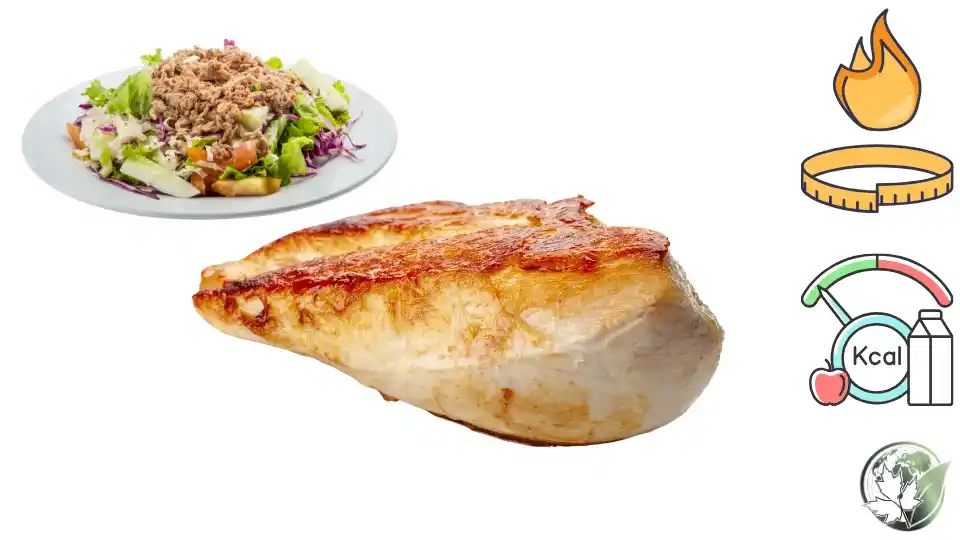
Canned or pouched tuna with vegetables has about 105 calories per 100 grams, though brands range from about 80 to 150. A typical 5 ounce (142 gram) can has about 150 calories, a 3 ounce (85 gram) serving about 90, and a ready-to-eat tuna and vegetable salad pot of 160 grams about 170. Cooked skinless roasted chicken breast has about 165 calories per 100 grams, and a whole cooked breast (172 grams) about 284. Per 100 grams, tuna with vegetables has about 36 percent fewer calories than chicken breast, but it also has much less protein, about 14 grams per 100 grams compared with 31.
The reason for the lower energy density is that vegetables such as sweetcorn, peas, carrots, peppers and green beans add water and fiber but little fat or protein. In some products, the tuna is a minority of the can, so the protein is diluted. Other products pack a tuna salad with vegetables in a vinaigrette or mayonnaise based dressing, which raises the calories. The key to understanding the numbers is the ratio of tuna to vegetables and the type of liquid, so reading the label is essential.
For the same calories, chicken breast gives more protein: about 18.8 grams per 100 calories, compared with about 13 grams for tuna with vegetables. But the combination offers fiber, vitamin C and other vegetable nutrients that plain chicken does not, and it is ready to eat anywhere. This guide covers the calories in tuna with vegetables by can, pouch and portion, compares brands and types, sets it against chicken breast in a table, and explains how to build better meals at home. There are three comparison tables, a set of tips and an FAQ.
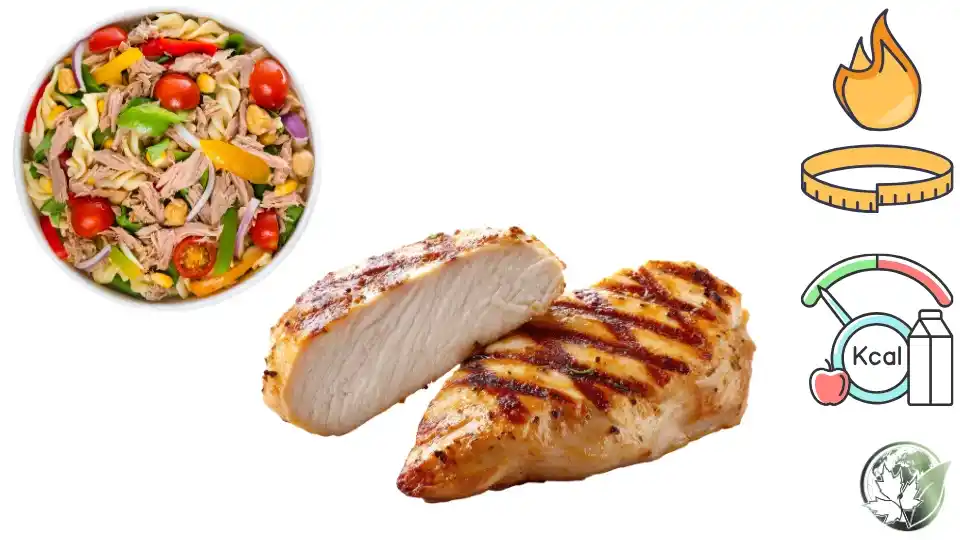
A can of tuna with vegetables has about 150 calories
How Many Calories Are in Tuna With Vegetables by Can and Serving?
| Portion | Weight | Calories | Protein | Carbs | Fat |
|---|---|---|---|---|---|
| 1 tablespoon | 15 g | 16 kcal | 2.1 g | 1.0 g | 0.5 g |
| 1/4 cup | 60 g | 63 kcal | 8.4 g | 3.8 g | 2.1 g |
| 1/2 cup | 120 g | 126 kcal | 16.8 g | 7.5 g | 4.2 g |
| 1 small can | 80 g | 84 kcal | 11.2 g | 5.0 g | 2.8 g |
| 1 can (5 oz) | 142 g | 150 kcal | 19.9 g | 8.9 g | 5.0 g |
| 1 large can | 185 g | 194 kcal | 25.9 g | 11.6 g | 6.5 g |
| 1 pouch | 80 g | 84 kcal | 11.2 g | 5.0 g | 2.8 g |
| 1 salad pot with dressing | 160 g | 170 kcal | 15.0 g | 11.0 g | 8.0 g |
| 100 g | 100 g | 105 kcal | 14.0 g | 6.3 g | 3.5 g |
Different products use different vegetables and liquids. Mixes that include corn, peas and beans are higher in carbohydrate and fiber, while those with peppers, tomatoes, carrots and onions are lower in energy.
How Many Calories Are in Different Types of Tuna With Vegetables?
| Product | Per 100 g | Per can or pot | Protein per 100 g | Notes |
|---|---|---|---|---|
| Tuna with sweetcorn, in brine | 110 kcal | 156 kcal | 15 g | Mild, sweet |
| Tuna with mixed vegetables, in oil | 140 kcal | 199 kcal | 14 g | Oil added |
| Tuna with vegetables, in water | 85 kcal | 121 kcal | 15 g | Lean |
| Tuna with beans (cannellini) | 120 kcal | 170 kcal | 14 g | Fiber rich |
| Tuna with chickpeas | 135 kcal | 192 kcal | 14 g | Dense |
| Tuna with peppers and tomato | 95 kcal | 135 kcal | 13 g | Low calorie |
| Tuna with rice and vegetables | 130 kcal | 185 kcal | 9 g | Ready meal |
| Tuna pasta salad with vegetables | 160 kcal | 255 kcal | 8 g | Mayonnaise |
| Tuna salad with mayonnaise | 190 kcal | 270 kcal | 11 g | Creamy |
| Plain tuna in water, drained | 116 kcal | 130 kcal | 25.5 g | For comparison |
The lowest calorie and highest protein options are those in water or brine, with a small fraction of vegetables. Products with beans, chickpeas, rice and pasta add calories and carbohydrate, though also fiber. Creamy salads are the highest.
Tuna With Vegetables vs Chicken Breast: Calories Compared
| Food | Portion | Weight | Calories | Protein | Fat |
|---|---|---|---|---|---|
| Tuna with vegetables | 100 g | 100 g | 105 kcal | 14.0 g | 3.5 g |
| Tuna with vegetables | 1 can | 142 g | 150 kcal | 19.9 g | 5.0 g |
| Tuna with vegetables | 1 salad pot | 160 g | 170 kcal | 15.0 g | 8.0 g |
| Chicken breast, cooked | 100 g | 100 g | 165 kcal | 31.0 g | 3.6 g |
| Chicken breast, cooked | 3 oz | 85 g | 140 kcal | 26.4 g | 3.1 g |
| Chicken breast, cooked | 91 g | 91 g | 150 kcal | 28.2 g | 3.3 g |
| Chicken breast, cooked | 1 breast | 172 g | 284 kcal | 53.4 g | 6.2 g |
A can of tuna with vegetables, at 150 calories, has the same energy as about 91 grams of cooked chicken breast, but the chicken has about 28 grams of protein against 20 grams for the tuna meal. The tuna meal is bigger, though: 142 grams of food against 91 grams, which feels like a fuller portion.
Tuna With Vegetables vs Chicken Breast: Nutrition Compared
| Per 100 g | Tuna with vegetables | Chicken breast (roasted) |
|---|---|---|
| Calories | 105 kcal | 165 kcal |
| Protein | 14.0 g | 31.0 g |
| Fat | 3.5 g | 3.6 g |
| Carbohydrate | 6.3 g | 0 g |
| Fiber | 1.5 g | 0 g |
| Sugar | 1.8 g | 0 g |
| Sodium | 320 mg | 74 mg |
| Omega-3 | 0.2 g | 0.03 g |
| Vitamin C | 3 mg | 0 mg |
| Vitamin A | 40 mcg | 6 mcg |
| Vitamin D | 3.0 mcg | 0.1 mcg |
| Selenium | 40 mcg | 27 mcg |
| Potassium | 250 mg | 256 mg |
| Per 100 calories | Tuna with vegetables | Chicken breast |
|---|---|---|
| Weight | 95 g | 61 g |
| Protein | 13.3 g | 18.8 g |
| Fiber | 1.4 g | 0 g |
| Sodium | 305 mg | 45 mg |
Tuna with vegetables delivers fiber and vitamins that chicken lacks, while chicken breast delivers more protein and a fraction of the sodium. In a day of meals, the two are complementary.
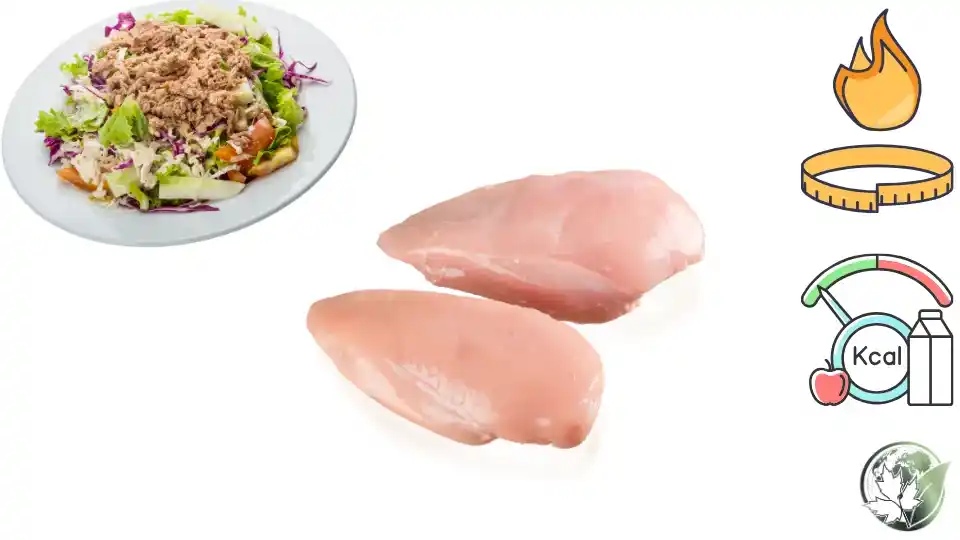
Tuna with vegetables gives volume and fiber, with about 105 calories per 100 grams
Is Tuna With Vegetables a Good Source of Protein?
It is a moderate source. A 142 gram can gives about 20 grams of protein, which is about 40 percent of the daily requirement for a sedentary adult, but less than the 28 to 40 grams that many meal plans aim for at a main meal. The extra protein can come from combining the can with an egg, a spoon of Greek yogurt, a handful of beans or another can. If you are using the product as a meal replacement at work, consider two cans, or add a slice of whole grain bread and a boiled egg to reach 30 grams of protein and about 400 calories.
For comparison, a chicken breast of 150 grams cooked gives 46 grams of protein, so a smaller portion will meet the same target. Chicken is more efficient, and tuna with vegetables is more convenient, so they fit different situations.
How Do Vegetables Change the Calories in Tuna?
Vegetables change the calories in three ways. First, they dilute the fish: because vegetables are mostly water, they have fewer calories per gram than tuna, so the mix has fewer calories per 100 grams than plain tuna in oil, and about the same as tuna in water. Second, they add carbohydrates and fiber: sweetcorn, peas and beans have 7 to 20 grams of carbohydrate per 100 grams, so a corn-heavy can may have 10 grams of carbohydrate, while a can with peppers has 4. Third, they change the liquid: many vegetable mixes are packed with a dressing, vinaigrette or mayonnaise sauce, and these add fat and calories.
| Vegetable (100 g) | Calories | Carbs | Fiber |
|---|---|---|---|
| Sweetcorn | 86 kcal | 19.0 g | 2.7 g |
| Green peas | 81 kcal | 14.5 g | 5.7 g |
| Carrots | 41 kcal | 9.6 g | 2.8 g |
| Red pepper | 31 kcal | 6.0 g | 2.1 g |
| Green beans | 31 kcal | 7.0 g | 2.7 g |
| Tomato | 18 kcal | 3.9 g | 1.2 g |
| Cucumber | 15 kcal | 3.6 g | 0.5 g |
| Onion | 40 kcal | 9.3 g | 1.7 g |
| Cannellini beans | 90 kcal | 16.0 g | 6.0 g |
| Chickpeas | 139 kcal | 22.5 g | 6.0 g |
How Do You Make Tuna With Vegetables at Home?
Making your own gives you control over the tuna, the vegetables and the dressing. A basic salad of 112 grams of drained water-packed tuna (130 calories), 100 grams of diced cucumber and tomato (17 calories), 30 grams of red onion and pepper (10 calories), a tablespoon of lemon juice and a teaspoon of olive oil (40 calories) comes to about 200 calories with 29 grams of protein, which is more protein than most store-bought mixes and has less sodium. For a heartier meal, add half a cup of white beans (125 calories), for 325 calories and 36 grams of protein.
| Homemade tuna and vegetable salad | Calories | Protein | Sodium |
|---|---|---|---|
| Water tuna, cucumber, tomato, onion, lemon, 1 tsp oil | 200 kcal | 29 g | 250 mg |
| Add 1/2 cup white beans | 325 kcal | 36 g | 260 mg |
| Add 1 tbsp mayonnaise instead of oil | 245 kcal | 29 g | 300 mg |
| Oil-packed tuna, drained, instead of water | 280 kcal | 33 g | 400 mg |
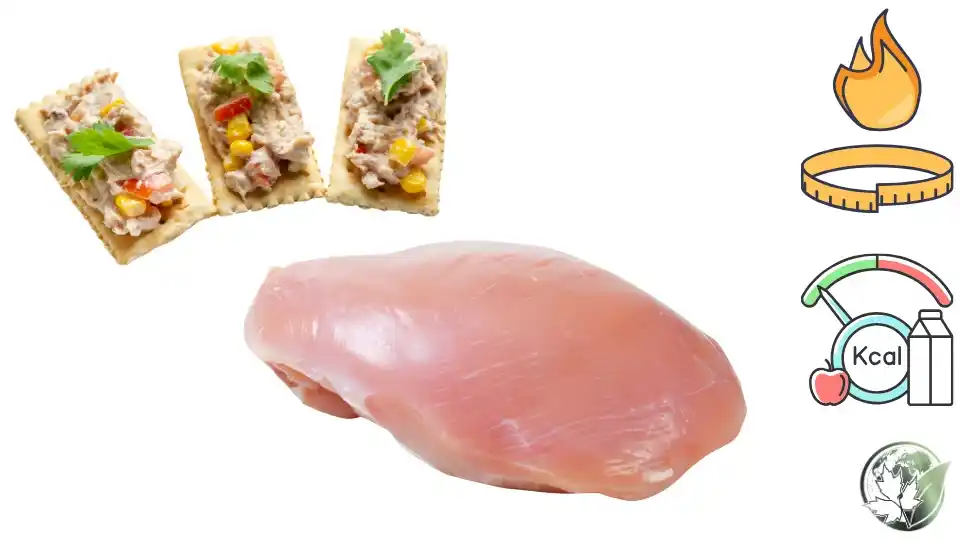
A homemade tuna and vegetable salad can have about 200 calories and 29 grams of protein
How Do Vegetables and Chicken Breast Pair in Meals?
Chicken breast pairs well with nearly any vegetable. A chicken breast salad with tomatoes, cucumber, lettuce and a light dressing has about 310 calories and 36 grams of protein. A chicken and vegetable stir-fry has about 250 calories a cup with 28 grams of protein. Roasted chicken with carrots, peppers and zucchini is another low calorie standard at about 330 calories. The key advantage is that the vegetables bulk the meal so that it fills you for fewer calories, and the chicken delivers the protein. Tuna with vegetables does this in one can, while with chicken you combine the elements yourself.
Is Tuna With Vegetables Good for Weight Loss?
Yes, mostly. At about 105 calories per 100 grams, and 150 per can, it is a low calorie meal base, with moderate protein and fiber that help with fullness. Choose versions in water, brine or a light sauce with no added sugar, and avoid creamy mayonnaise based salads that have double the calories. Add extra vegetables, such as lettuce, cucumber or tomatoes, to increase volume, and add a protein source such as an egg or chicken to reach a satisfying amount. It is better to eat tuna with vegetables than a sandwich with processed meat, which has more sodium and saturated fat.
The limitation is protein: a can alone may leave you hungry within a couple of hours if it is the sole component of a meal. Pair it with whole grain bread, a piece of fruit and yogurt for a balanced lunch.
How Many Calories Are in Common Dishes With Tuna and Vegetables or Chicken?
| Dish | Serving | Calories | Protein | Notes |
|---|---|---|---|---|
| Tuna and vegetable salad, homemade | 1 bowl | 200 kcal | 29 g | Lemon, 1 tsp oil |
| Tuna sweetcorn sandwich | 1 sandwich | 380 kcal | 22 g | Mayo, bread |
| Tuna and vegetable pasta | 1 cup | 310 kcal | 19 g | Light |
| Tuna and vegetable rice bowl | 1 bowl | 400 kcal | 28 g | Rice |
| Tuna with vegetables on toast | 1 slice | 190 kcal | 16 g | 1 slice bread |
| Tuna and vegetable omelet | 1 omelet | 300 kcal | 30 g | 2 eggs |
| Tuna vegetable wrap | 1 wrap | 330 kcal | 24 g | Whole wheat |
| Grilled chicken breast and vegetables | 1 plate | 340 kcal | 46 g | Oil |
| Chicken vegetable soup | 1 cup | 120 kcal | 12 g | Broth |
| Chicken and vegetable stir-fry | 1 cup | 250 kcal | 28 g | Oil |
How to Choose and Store Tuna With Vegetables
Check the label for the tuna content, which should be at least 40 to 50 percent for a good protein level. Choose products in water, brine or a light sauce, and check sodium, aiming for under 400 milligrams per serving. Pouches are lightweight and portable but sometimes more expensive per gram. Store unopened cans and pouches in a cool, dry place, and once opened refrigerate within two hours and eat within two days. Because vegetables can spoil faster than fish, do not leave an opened mixture at room temperature in warm weather.
Check the tuna content and sodium on the label of ready-to-eat products
How to Count Calories for Tuna With Vegetables Accurately
Use the label's value per 100 grams for the whole contents, since you eat both tuna and vegetables, and weigh what you eat. If the product is drained, check whether the label refers to the drained weight. For homemade salads, add up the ingredients: tuna by drained weight, vegetables by weight and dressing by spoon. For chicken, weigh it cooked and use 165 calories per 100 grams.
What Is the Fiber and Vitamin Advantage of Adding Vegetables?
Chicken breast has no fiber, and plain tuna has none either. Mixing in vegetables turns a pure protein into a more balanced food. A can of tuna with beans and vegetables can supply 3 to 5 grams of fiber, which is about 10 to 18 percent of the daily recommendation of 25 to 30 grams. Vegetables also add vitamin C from peppers and tomatoes, vitamin A from carrots, folate from peas and beans, and potassium. A fiber rich meal slows digestion, steadies blood sugar and helps you feel full for longer, which is a major reason that tuna with beans and vegetables is a popular choice for weight management.
Cooking does not change the fiber much, although canning does reduce vitamin C. If you want to boost the vitamin content, add fresh vegetables when you serve, such as chopped cucumber, parsley, rocket or a handful of baby spinach. These additions cost about 5 to 15 calories but add volume, color and nutrients.
Does Tuna With Vegetables Have Added Sugar or Starch?
Some ready mixes include sugar, glucose syrup or starch in the sauce, particularly in sweetcorn and sweet sauces. A typical can may have 2 to 5 grams of sugar per 100 grams, of which much comes from the corn and carrots themselves. If sugar or syrup is high on the ingredient list, or the label shows more than 3 grams of sugar per 100 grams without fruit, choose a different product. Starch, used as a thickener, adds small amounts of carbohydrate. People with diabetes should consider the carbohydrate load, which in a can is about 9 grams, a small amount, but products with rice, pasta or beans are higher, at 15 to 30 grams a pot.
Who Should Choose Tuna With Vegetables Over Chicken Breast?
People who need a quick, cold and portable meal, such as office workers, travelers, students and hikers, benefit from tuna with vegetables, since it needs no cooking or fridge until opened. Those who dislike cooking chicken, or find it dry, also like the moist texture. People who want to eat more vegetables may find it a helpful nudge. Those who should choose chicken instead include people on strict low sodium diets, those who are pregnant and following mercury limits, people who need very high protein intakes, and anyone who prefers fresh, unprocessed foods. For many, a mix of both across the week is the practical answer.
How Can You Boost the Protein in Tuna With Vegetables?
If the can is too low in protein for your goal, add to it rather than switching. Stir in a boiled egg, chopped, for 78 calories and 6 grams of protein. Add two tablespoons of plain Greek yogurt in place of mayonnaise, for 20 calories and 3 grams of protein. Mix in a half cup of cooked lentils or beans for 115 calories and 9 grams of protein. Add a handful of edamame, 60 calories and 6 grams, or a cooked and sliced chicken breast of 85 grams, 140 calories and 26 grams. The following table shows how a can can be upgraded.
| Meal | Calories | Protein | Notes |
|---|---|---|---|
| 1 can tuna with vegetables | 150 kcal | 20 g | Base |
| Plus 1 boiled egg | 228 kcal | 26 g | Easy |
| Plus 1/2 cup lentils | 265 kcal | 29 g | Fiber |
| Plus 85 g chicken breast | 290 kcal | 46 g | High protein |
| Plus 2 tbsp Greek yogurt | 170 kcal | 23 g | Creamy |
How Does Sodium Compare in Each Option and How Do You Lower It?
Canned tuna with vegetables averages about 320 milligrams of sodium per 100 grams, so a 142 gram can has about 450 milligrams, about 20 percent of the daily limit. Fresh chicken has 74 milligrams per 100 grams. To lower the sodium in canned tuna with vegetables, choose "no salt added" versions, drain and rinse the vegetables if the product allows, and balance the day with fresh produce, since potassium helps counter sodium. Do not add salt, and flavor with lemon, herbs, garlic and spices. If you make it at home, using unsalted canned tuna and fresh vegetables, you can bring sodium below 100 milligrams a serving.
What Is the Best Way to Pack Tuna With Vegetables for Work or Travel?
Keep it simple and safe. Carry a can with a pull ring or a pouch, a fork, a small container of cucumber and tomato, and a whole grain roll or crackers. Eat the opened can within two hours, or keep it in an insulated bag. If you prepare a homemade salad, pack the dressing separately, so that vegetables stay crisp, and mix just before eating. Choose a lunch box with an ice pack if the day is warm. For camping or hiking, pouches weigh less than cans and do not need a can opener, and they leave less waste. Because the sodium can be high, drink water and eat a piece of fruit with the meal.
Key Takeaways: Tuna With Vegetables Calories vs Chicken Breast
Tuna with vegetables has about 105 calories per 100 grams and 150 per can, compared with 165 per 100 grams for cooked chicken breast. It brings fiber and vitamins, but only about 14 grams of protein per 100 grams against 31, and more sodium. Choose versions in water or a light sauce, add protein, and build your own salad for the best balance.
Frequently Asked Questions
6 questions answered
How many calories are in a can of tuna with vegetables?
About 150 for a 5 ounce can.
Does tuna with vegetables have fewer calories than chicken breast?
Yes, about 105 per 100 grams against 165.
Which has more protein?
Chicken breast, 31 grams against about 14 per 100 grams.
Is tuna with vegetables healthy?
Yes, though check the sodium and added sugar.
Can I eat tuna with vegetables every day?
Occasionally, but vary your fish for mercury.
Is a homemade tuna salad better than canned?
Usually yes, with more protein and less sodium.




