How Many Calories Are in Tuna in Tomato Sauce? The Quick Answer
Canned tuna in tomato sauce has about 120 calories per 100 grams, including the sauce. A small can of 80 grams has about 96 calories, a standard 5 ounce (142 gram) can about 170 calories, and a large 185 gram can about 222 calories. Cooked skinless roasted chicken breast has about 165 calories per 100 grams, and a whole cooked breast (172 grams) about 284. So tuna in tomato sauce is about 27 percent lower in calories per 100 grams than chicken breast.
The reason is that the sauce is mostly water and tomato, which dilutes the fish: in a can, tuna makes up about 70 to 75 percent of the contents, and the rest is sauce, so the product has less protein per 100 grams, at about 17 grams, than chicken breast at 31 grams, or plain tuna at 25 to 29. For the same calories, chicken gives more protein: 18.8 grams per 100 calories, against about 14 for tuna in tomato sauce. The comparison, then, is that tuna in tomato sauce is lighter per can, while chicken is richer in protein per calorie.
Tuna in tomato sauce is popular in Persian, Italian and Mediterranean homes, in pasta, on bread and over rice. The sauce adds flavor, vitamin C and a little lycopene, but it can also bring added sugar, starch, oil and salt, so brands vary. This guide gives tuna in tomato sauce calories by can and serving, shows how brands differ, compares it with chicken breast cooked several ways and with other tuna types, covers sugar, sodium and ingredients, and gives meal ideas. There are three comparison tables, a set of tips and an FAQ.
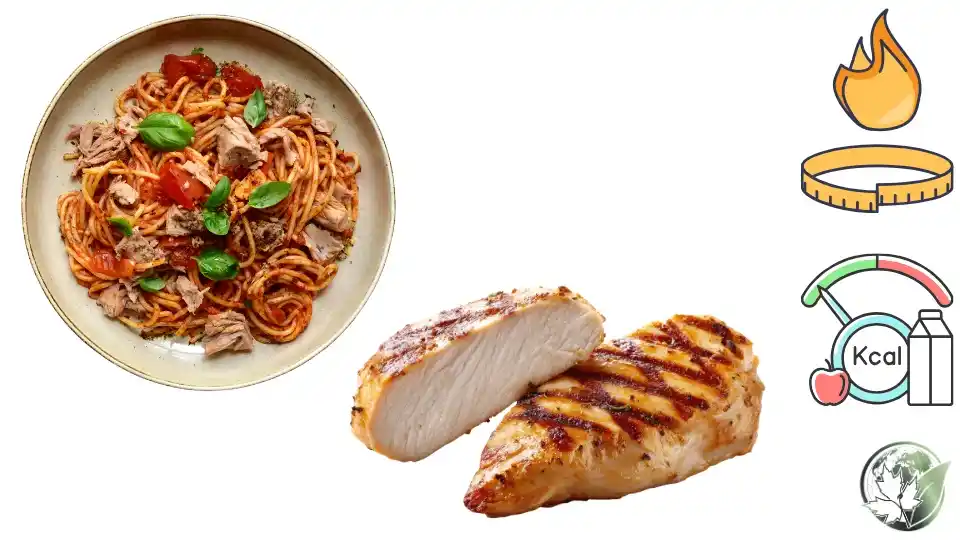
A standard 5 oz can of tuna in tomato sauce has about 170 calories
How Many Calories Are in Tuna in Tomato Sauce by Can and Serving?
| Portion | Weight | Calories | Protein | Carbs | Fat |
|---|---|---|---|---|---|
| 1 tablespoon | 15 g | 18 kcal | 2.6 g | 0.6 g | 0.8 g |
| 1/4 cup | 60 g | 72 kcal | 10.2 g | 2.4 g | 3.0 g |
| 1/2 cup | 120 g | 144 kcal | 20.4 g | 4.8 g | 6.0 g |
| 1 small can | 80 g | 96 kcal | 13.6 g | 3.2 g | 4.0 g |
| 1 can (5 oz) | 142 g | 170 kcal | 24.1 g | 5.7 g | 7.1 g |
| 1 large can | 185 g | 222 kcal | 31.5 g | 7.4 g | 9.3 g |
| 3 oz | 85 g | 102 kcal | 14.5 g | 3.4 g | 4.3 g |
| 100 g | 100 g | 120 kcal | 17.0 g | 4.0 g | 5.0 g |
| Light version, 100 g | 100 g | 95 kcal | 18 g | 3 g | 2.0 g |
The numbers vary by brand because the recipe is not standardized. A light product with tuna in a thin tomato sauce can be 90 to 100 calories per 100 grams, while a rich version with oil in the sauce can reach 150. Always check the nutrition label.
How Many Calories Are in Other Types of Canned Tuna?
| Canned tuna type | 100 g | 5 oz can | Protein per 100 g | Fat per 100 g |
|---|---|---|---|---|
| In water, drained | 116 kcal | 130 kcal | 25.5 g | 0.8 g |
| In brine, drained | 110 kcal | 123 kcal | 24.0 g | 0.8 g |
| In tomato sauce | 120 kcal | 170 kcal | 17.0 g | 5.0 g |
| In olive oil, drained | 198 kcal | 222 kcal | 29.1 g | 8.2 g |
| In sunflower oil, drained | 190 kcal | 213 kcal | 27.0 g | 7.9 g |
| In olive oil, undrained | 290 kcal | 310 kcal | 21 g | 20 g |
| With vegetables | 105 kcal | 150 kcal | 14 g | 3.5 g |
| Tuna salad ready meal | 180 kcal | 250 kcal | 11 g | 11 g |
Tuna in tomato sauce sits between water-packed and oil-packed tuna in calories. Since you eat the sauce with the fish, you do not drain it, so the label value applies to the whole can.
How Many Calories Are in Chicken Breast?
| Chicken breast preparation | Serving | Calories | Protein | Fat |
|---|---|---|---|---|
| Raw, skinless | 100 g | 120 kcal | 22.5 g | 2.6 g |
| Roasted, skinless | 100 g | 165 kcal | 31.0 g | 3.6 g |
| Poached, skinless | 100 g | 151 kcal | 29.0 g | 3.2 g |
| Grilled, skinless | 3 oz (85 g) | 140 kcal | 26.4 g | 3.1 g |
| Roasted, with skin | 100 g | 197 kcal | 29.8 g | 7.8 g |
| Chicken breast in tomato sauce (cacciatore style) | 1 cup | 250 kcal | 30 g | 8 g |
| Breaded, fried | 100 g | 260 kcal | 23 g | 12 g |
Tuna in Tomato Sauce vs Chicken Breast: Calories Compared
| Food | Portion | Weight | Calories | Protein | Fat |
|---|---|---|---|---|---|
| Tuna in tomato sauce | 100 g | 100 g | 120 kcal | 17.0 g | 5.0 g |
| Tuna in tomato sauce | 1 can (5 oz) | 142 g | 170 kcal | 24.1 g | 7.1 g |
| Tuna in tomato sauce | 1 small can | 80 g | 96 kcal | 13.6 g | 4.0 g |
| Chicken breast, cooked | 100 g | 100 g | 165 kcal | 31.0 g | 3.6 g |
| Chicken breast, cooked | 142 g | 142 g | 234 kcal | 44.0 g | 5.1 g |
| Chicken breast, cooked | 3 oz | 85 g | 140 kcal | 26.4 g | 3.1 g |
| Chicken breast, cooked | 1 breast | 172 g | 284 kcal | 53.4 g | 6.2 g |
| Chicken breast, cooked | 103 g | 103 g | 170 kcal | 31.9 g | 3.7 g |
A can of tuna in tomato sauce, at 170 calories, has the same calories as about 103 grams of cooked chicken breast, a little more than 3.5 ounces, but the chicken provides 31.9 grams of protein against 24.1 grams for the tuna.
Tuna in Tomato Sauce vs Chicken Breast: Nutrition Compared
| Per 100 g | Tuna in tomato sauce | Chicken breast (roasted) |
|---|---|---|
| Calories | 120 kcal | 165 kcal |
| Protein | 17.0 g | 31.0 g |
| Fat | 5.0 g | 3.6 g |
| Carbohydrate | 4.0 g | 0 g |
| Sugar | 2.5 g | 0 g |
| Fiber | 0.6 g | 0 g |
| Sodium | 380 mg | 74 mg |
| Omega-3 (EPA and DHA) | 0.2 g | 0.03 g |
| Selenium | 55 mcg | 27 mcg |
| Vitamin D | 3.5 mcg | 0.1 mcg |
| Vitamin B12 | 1.6 mcg | 0.3 mcg |
| Vitamin C | 3 mg | 0 mg |
| Lycopene | 2,000 mcg | 0 mcg |
| Per 100 calories | Tuna in tomato sauce | Chicken breast |
|---|---|---|
| Weight | 83 g | 61 g |
| Protein | 14.2 g | 18.8 g |
| Carbs | 3.3 g | 0 g |
| Sodium | 317 mg | 45 mg |
| Selenium | 46 mcg | 16 mcg |
Chicken has clear advantages in protein and low sodium. Tuna in tomato sauce provides omega-3, vitamin D, selenium, B12 and some lycopene from the sauce, and for the price and convenience it is hard to beat.
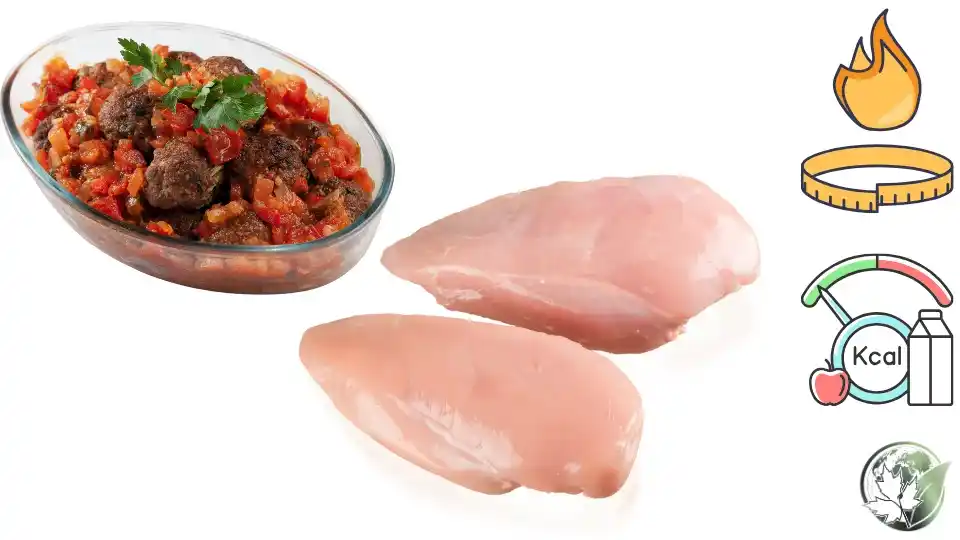
A can of tuna in tomato sauce has fewer calories than the same weight of cooked chicken breast
Does Tuna in Tomato Sauce Contain Added Sugar and Starch?
Some brands add sugar, modified starch or vegetable oil to the sauce to make it thicker and sweeter, so check the ingredient list. A typical can can contain 2 to 6 grams of sugar per 100 grams, a portion of which is natural from the tomato. If the sugar appears among the first few ingredients, or you see glucose syrup, choose another brand. Starch gives the sauce body and adds small amounts of carbohydrate, but it is minor. The aim is a short list: tuna, tomato, oil or water, salt and spices.
For people with diabetes, a can of tuna in tomato sauce has only about 5 to 6 grams of carbohydrate, so it is a safe choice, although the amount of sugar and starch should be checked on the label.
How Much Sodium Is in Tuna in Tomato Sauce?
Sodium is the main nutritional drawback. A can of tuna in tomato sauce typically contains 400 to 700 milligrams of sodium, which is 17 to 30 percent of the recommended maximum of 2,300 milligrams a day. Chicken breast cooked at home has only about 74 milligrams per 100 grams. If you eat canned tuna often, or have high blood pressure, look for products with "no salt added" or "reduced sodium" on the label, and balance with potassium-rich foods such as tomatoes, beans, bananas and leafy greens. Since the tomato sauce itself is a source of potassium, at about 240 milligrams per 100 grams, it helps partly offset the sodium.
Is Tuna in Tomato Sauce Good for Weight Loss?
Yes, as long as you pick a version low in sugar and oil. At about 170 calories per can, with 24 grams of protein, it is a low energy density meal base, and the sauce gives volume and flavor so that you do not need mayonnaise or dressings. Compared with tuna in oil, you save 40 to 140 calories per can. A satisfying meal is a can of tuna in tomato sauce over a cup of cooked whole wheat pasta, with garlic and basil, at about 400 calories. Chicken breast offers more protein per calorie, so if you need maximum protein for the fewest calories, plain grilled chicken or tuna in water is leaner, but tuna in tomato sauce is more convenient, with no cooking.
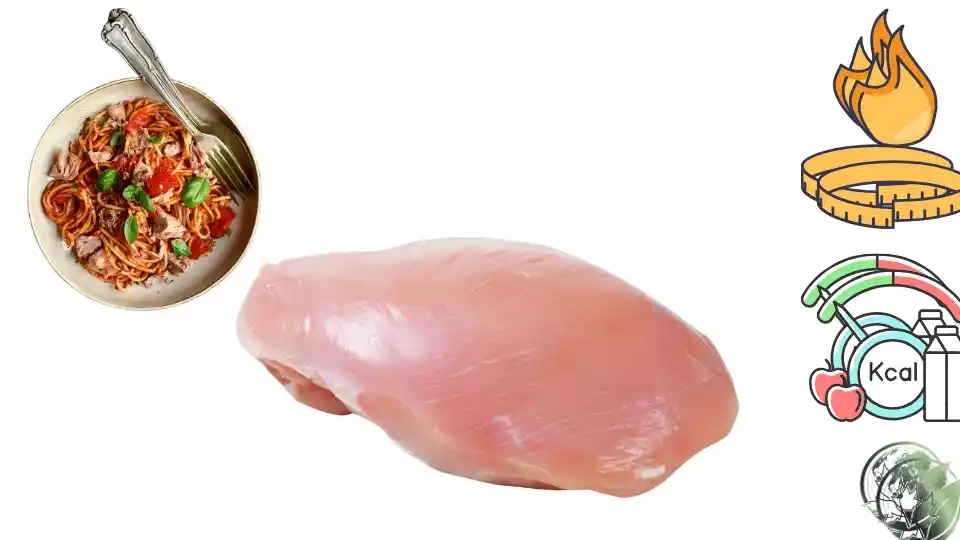
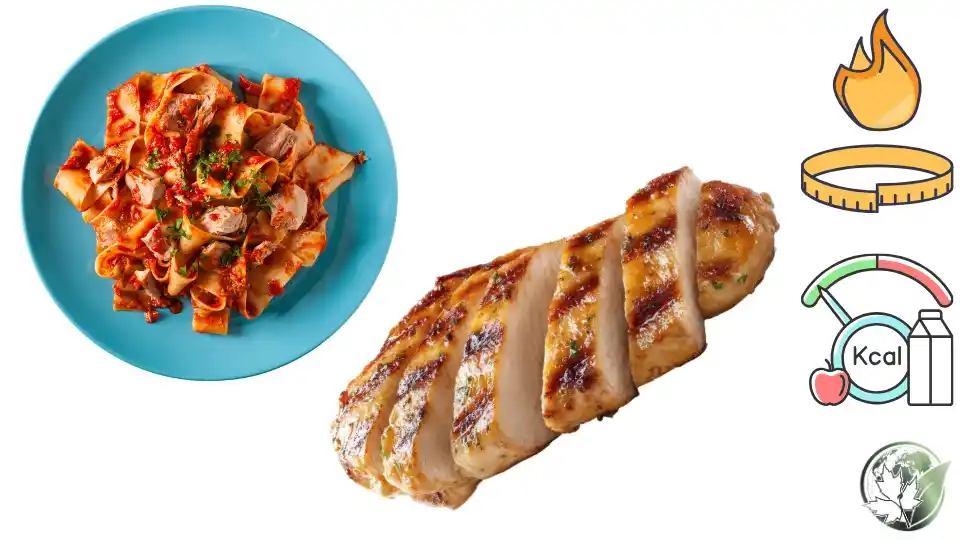
Tuna in tomato sauce over pasta makes a quick 400 calorie meal
How Many Calories Are in Dishes Made With Tuna in Tomato Sauce and Chicken Breast?
| Dish | Serving | Calories | Protein | Notes |
|---|---|---|---|---|
| Tuna in tomato sauce on toast | 1 slice | 160 kcal | 14 g | 1 slice bread, 60 g tuna |
| Tuna tomato pasta | 1 cup | 290 kcal | 18 g | Whole wheat |
| Tuna tomato rice bowl | 1 bowl | 400 kcal | 25 g | Rice, vegetables |
| Tuna pizza, thin | 1 slice | 230 kcal | 12 g | Cheese |
| Tuna stuffed peppers | 1 pepper | 220 kcal | 16 g | Rice |
| Tuna shakshuka | 1 serving | 320 kcal | 26 g | Egg |
| Grilled chicken breast and salad | 1 plate | 330 kcal | 45 g | Light oil |
| Chicken cacciatore | 1 cup | 250 kcal | 30 g | Tomato sauce |
| Chicken parmesan | 1 piece | 450 kcal | 38 g | Breaded, cheese |
| Chicken and vegetable stir-fry | 1 cup | 250 kcal | 28 g | Oil |
How to Choose and Store Tuna in Tomato Sauce
Choose a can whose first ingredient is tuna, with the tomato sauce listed second and a short list of seasonings. Look for the drained weight, protein per 100 grams, and sodium per serving. Avoid cans with glucose syrup or large amounts of vegetable oil and starch. Store unopened cans in a cool, dry cupboard, and once opened, move the contents to a covered glass container in the refrigerator for up to two days. Because tomato sauce is acidic, it reacts with the metal of an opened can and can change taste, so do not store leftovers in the can.
Read the label for sugar, sodium and protein before choosing a can
How to Count Tuna in Tomato Sauce Calories Accurately
Because the sauce is eaten with the fish, use the label's calories for the whole can or per 100 grams, and weigh what you eat. If you add oil, cheese, pasta or bread, log them separately. For chicken, weigh cooked meat and use 165 calories per 100 grams, or weigh raw and use 120. If you cook chicken in tomato sauce, count the sauce and oil used.
What Is Lycopene in Tuna in Tomato Sauce and Does It Matter?
The tomato sauce in the can brings lycopene, the red antioxidant of tomatoes, which is better absorbed from cooked tomato products than from raw tomato. A can of tuna in tomato sauce provides roughly 2 to 3 milligrams of lycopene, depending on how much sauce there is, about as much as one medium fresh tomato. Because the sauce also contains some oil and the tuna adds fat, the lycopene is absorbed well. This is a small bonus rather than a reason to eat the product, but it means a can of tuna in tomato sauce gives you a serving of vegetables in effect, without the extra calories of oil-packed tuna.
How Does Tuna in Tomato Sauce Compare With Making Your Own?
Making your own version at home is simple and gives better control. Combine a can of tuna in water, drained, at 130 calories with half a cup of plain tomato sauce at 30 calories, a clove of garlic, a teaspoon of olive oil at 40 calories, herbs and chili. The total is about 200 calories with 29 grams of protein and about 250 milligrams of sodium if you use no salt added sauce. This is higher in protein and lower in sugar than most canned versions, at about 14 grams of protein per 100 calories for tuna in tomato sauce vs 14.5 for your own, with less sodium when you control the salt. The trade-off is convenience: a ready can needs no preparation and stores for years.
| Version | Calories | Protein | Sodium |
|---|---|---|---|
| Canned tuna in tomato sauce, 5 oz | 170 kcal | 24 g | 550 mg |
| Homemade with water-packed tuna and no salt sauce | 200 kcal | 29 g | 250 mg |
| Homemade with olive oil tuna | 290 kcal | 30 g | 400 mg |
Can Children and Older Adults Eat Tuna in Tomato Sauce?
Tuna in tomato sauce is soft and mild, so many children enjoy it on bread or with pasta, and older adults find it easy to chew. For children, limit the amount to match mercury guidelines: young children can generally eat light canned tuna in small portions of about 1 to 2 ounces, once or twice a week. For older adults, tuna is a good source of protein, vitamin D and B12, which are often low in the elderly, and the sauce makes it moist and easy to swallow. The sodium is the main concern for people with high blood pressure or heart conditions, so choose lower sodium cans.
What Are Some Easy Recipes With Tuna in Tomato Sauce?
Quick recipes make the can useful in many situations. For a fast pasta, boil 70 grams of dry spaghetti, about 250 calories cooked, warm a can of tuna in tomato sauce with garlic, chili and parsley in a pan, toss together with a spoon of pasta water and finish with a little black pepper, for a total of around 420 calories and 30 grams of protein. For a stuffed tomato, hollow out two large tomatoes, mix the tuna with a spoon of cooked rice and herbs, fill and bake for 15 minutes, for about 250 calories. For a breakfast scramble, warm the tuna in a small pan, make a well and break in two eggs, cover until just set, for about 340 calories and 38 grams of protein, a variation on shakshuka.
For a sandwich, spread the tuna on whole grain bread with lettuce and cucumber for about 300 calories, or in a pita with tomato and onion for 320. In each case the sauce supplies moisture, so you do not need mayonnaise. Avoid adding cheese in large amounts, since a slice adds 70 to 110 calories.
How Does Chicken Breast Compare in Meal Prep?
Chicken breast is a staple of meal prep because it keeps for three to four days in the refrigerator, reheats well and takes on any flavor. Cook six breasts at once, slice or shred, and portion into containers with rice and vegetables. A 150 gram cooked portion, at 248 calories and 46 grams of protein, can be flavored a different way each day, such as with lemon and herbs, harissa or a light tomato sauce. Tuna in tomato sauce works as a variation, and as a backup when you have not cooked, since it needs no refrigeration until opened. Using both gives a flexible protein plan at a modest cost and with simple preparation.
What Is the Mercury Risk in Tuna in Tomato Sauce?
Mercury depends on the species of tuna, not on the sauce. Most canned tuna in tomato sauce is made from skipjack or yellowfin, which are lower in mercury than albacore and bigeye. Skipjack averages about 0.1 parts per million, yellowfin about 0.35 and albacore about 0.35, while bigeye is near 0.7. Adults can eat two to three servings of light tuna a week without concern, and pregnant women and young children should follow national advice, usually limiting light tuna to about 12 ounces a week, and avoiding bigeye. Check the can for the species name, and rotate with lower mercury fish such as salmon, sardines and trout. Chicken breast has no mercury concern, which is one reason it is often chosen for daily protein.
How Should You Pair Tuna in Tomato Sauce for a Balanced Plate?
Pair it with a high fiber carbohydrate and vegetables. Whole wheat pasta, brown rice, bulgur, lentils or whole grain bread all slow digestion and add fiber, while a side of cucumber, lettuce or steamed greens adds volume for few calories. If you want a full plate of about 450 calories, use 3/4 of a can of tuna in tomato sauce, a cup of cooked whole grain, and 1 to 2 cups of vegetables with a teaspoon of olive oil. This gives about 30 grams of protein, 8 grams of fiber and plenty of potassium. Season with lemon, herbs and spices rather than salt, since the can already contains sodium.
Why Do Calories Differ Between Brands of Tuna in Tomato Sauce?
Because there is no standard recipe, two cans of the same size can differ by 50 calories or more. The causes are the proportion of tuna to sauce, whether the tuna was pre-cooked in oil before canning, whether the sauce contains oil, sugar or starch, and how much liquid is included. Cans marketed as "light" or "in tomato sauce with vegetables" tend to be lower, while those labeled "Italian style" or "with olive oil" are higher. The best way to avoid surprises is to read the panel for calories per 100 grams, rather than per can, and compare brands on that basis. Take a photo of your usual brand's label, and use that number when logging.
Key Takeaways: Tuna in Tomato Sauce Calories vs Chicken Breast
Tuna in tomato sauce has about 120 calories per 100 grams and 170 per can, compared with 165 per 100 grams for cooked chicken breast. It has fewer calories but also less protein per 100 grams, at 17 against 31, and more sodium. Choose brands without added sugar, watch the salt, and combine with vegetables and whole grains.
Frequently Asked Questions
6 questions answered
How many calories are in a can of tuna in tomato sauce?
About 170 for a standard 5 ounce can.
Does tuna in tomato sauce have fewer calories than chicken breast?
Yes, about 120 per 100 grams against 165.
Which has more protein, tuna in tomato sauce or chicken breast?
Chicken breast, 31 grams against 17 per 100 grams.
Is tuna in tomato sauce healthy?
Yes, but check the sugar and sodium on the label.
Should I drain tuna in tomato sauce?
No, the sauce is eaten with the fish.
How long does opened tuna in tomato sauce keep?
Up to two days in the refrigerator.