How Many Calories Are in Tuna in Olive Oil? The Quick Answer
Canned tuna in olive oil has about 198 calories per 100 grams when drained, and about 290 calories per 100 grams when the oil is included in the serving. A typical 5 ounce (142 gram) can contains about 112 grams of drained tuna, which has about 222 calories, while the whole can with its oil comes to about 300 to 330 calories, depending on how much oil was added. A 3 ounce (85 gram) drained serving has about 168 calories. A large egg (50 grams without the shell) has about 72 calories, and 100 grams of whole egg has 143.
So, per piece, a large egg has far fewer calories than a can of tuna, about a third of a drained can. Per 100 grams the picture is closer, 143 for egg against 198 for drained tuna, a difference of about 38 percent. Per gram of protein, the gap is smaller still: tuna in olive oil provides about 8 grams of protein per 100 calories drained, while whole egg provides about 8.8 grams.
Tuna in olive oil is a popular pantry food, especially in Mediterranean and Persian-style salads and sandwiches. It has a softer, richer flavor than water-packed tuna, but it also has more calories, since tuna absorbs some of the oil it is packed in, and any oil you pour in the dish adds further. The question of whether to drain or not decides how many calories you eat. This guide gives the calories in canned tuna in olive oil drained and undrained, by can size, compares it with water-packed tuna, sunflower oil tuna and a large egg, and explains protein, fat, omega-3, mercury and the best ways to use it. There are three tables and an FAQ.
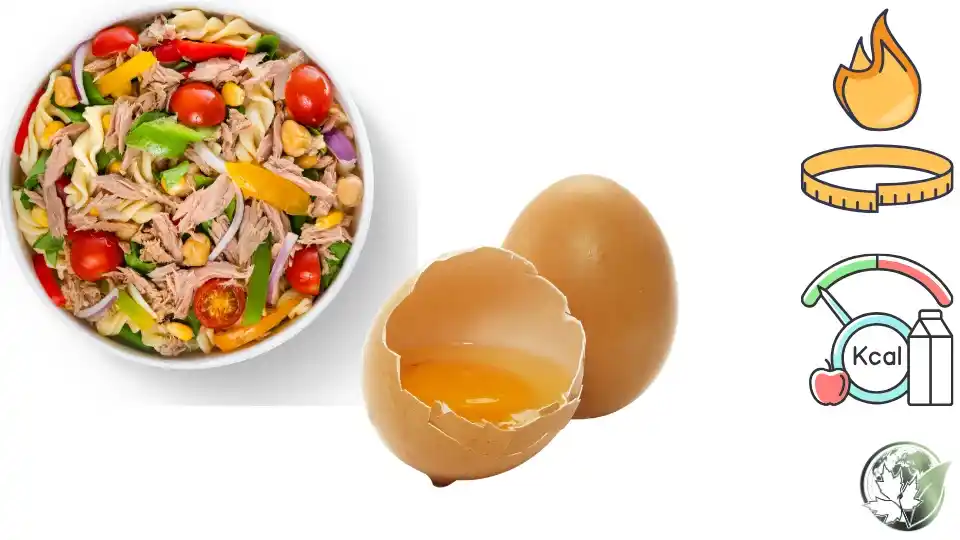
A drained 100 g of tuna in olive oil has about 198 calories
How Many Calories Are in Tuna in Olive Oil by Can and Serving?
| Portion | Weight | Calories | Protein | Fat |
|---|---|---|---|---|
| 1 oz drained | 28 g | 55 kcal | 8.1 g | 2.3 g |
| 2 oz drained | 56 g | 111 kcal | 16.2 g | 4.6 g |
| 3 oz drained | 85 g | 168 kcal | 24.7 g | 7.0 g |
| 100 g drained | 100 g | 198 kcal | 29.1 g | 8.2 g |
| 1 small can (3 oz, 85 g), drained | about 65 g | 129 kcal | 18.9 g | 5.3 g |
| 1 can (5 oz, 142 g), drained | about 112 g | 222 kcal | 32.6 g | 9.2 g |
| 1 can (5 oz), with oil | 142 g | 310 kcal | 32.6 g | 20 g |
| 1 large can (7 oz, 198 g), drained | about 155 g | 307 kcal | 45 g | 12.7 g |
| 1 tablespoon of the can oil | 13.5 g | 119 kcal | 0 g | 13.5 g |
| 100 g, drained and flaked | 100 g | 198 kcal | 29.1 g | 8.2 g |
The oil is what changes the picture. A tablespoon of the packing oil, if poured into a salad, adds 119 calories, which is more than half of what the tuna itself provides. Draining well, and even pressing the tuna gently with a fork, can remove much of the free oil, but the tuna keeps some oil in its flesh.
Tuna in Olive Oil vs Other Canned Tuna: Calories Compared
| Type of canned tuna | 100 g drained | 3 oz (85 g) | 5 oz can drained | Protein per 100 g |
|---|---|---|---|---|
| In water, light | 116 kcal | 99 kcal | 130 kcal | 25.5 g |
| In water, albacore | 128 kcal | 109 kcal | 143 kcal | 23.6 g |
| In olive oil | 198 kcal | 168 kcal | 222 kcal | 29.1 g |
| In sunflower oil | 190 kcal | 162 kcal | 213 kcal | 27.0 g |
| In vegetable oil | 190 kcal | 162 kcal | 213 kcal | 27.0 g |
| In brine | 110 kcal | 94 kcal | 123 kcal | 24 g |
| In tomato sauce | 120 kcal | 102 kcal | 134 kcal | 17 g |
| Fresh tuna, yellowfin, raw | 109 kcal | 93 kcal | n/a | 24.4 g |
| Fresh tuna, bluefin, raw | 144 kcal | 122 kcal | n/a | 23.3 g |
Tuna in oil has about 70 to 80 calories more per 100 grams than tuna in water, due to oil absorbed into the flesh. Olive oil and other vegetable oils give about the same calories, since all pure oils carry about 9 calories per gram. The difference between them is in the flavor and fats, not the energy.
Tuna in Olive Oil vs a Large Egg: Calories Compared
| Food | Portion | Weight | Calories | Protein | Fat |
|---|---|---|---|---|---|
| Tuna in olive oil, drained | 100 g | 100 g | 198 kcal | 29.1 g | 8.2 g |
| Tuna in olive oil, drained | 1 can (5 oz) | 112 g | 222 kcal | 32.6 g | 9.2 g |
| Tuna in olive oil, drained | 3 oz | 85 g | 168 kcal | 24.7 g | 7.0 g |
| Tuna in olive oil, drained | 1 oz | 28 g | 55 kcal | 8.1 g | 2.3 g |
| Whole egg | 1 large | 50 g | 72 kcal | 6.3 g | 4.8 g |
| Whole egg | 2 large | 100 g | 143 kcal | 12.6 g | 9.5 g |
| Whole egg | 3 large | 150 g | 215 kcal | 18.9 g | 14.3 g |
| Egg white | 1 large | 33 g | 17 kcal | 3.6 g | 0.1 g |
| Egg yolk | 1 large | 17 g | 55 kcal | 2.7 g | 4.5 g |
| Hard-boiled egg | 1 large | 50 g | 78 kcal | 6.3 g | 5.3 g |
A drained can of tuna in olive oil has about the same calories as three large eggs, and 3 ounces of tuna are comparable to two and a half eggs. If your goal is the fewest calories per piece, the egg wins, but for the same calories tuna gives more protein: a drained can supplies about 32.6 grams of protein, compared with 18.9 grams in three eggs.
Tuna in Olive Oil vs a Large Egg: Nutrition Compared
| Per 100 g | Tuna in olive oil (drained) | Whole egg |
|---|---|---|
| Calories | 198 kcal | 143 kcal |
| Protein | 29.1 g | 12.6 g |
| Fat | 8.2 g | 9.5 g |
| Saturated fat | 1.3 g | 3.1 g |
| Monounsaturated fat | 3.5 g | 3.7 g |
| Omega-3 (EPA and DHA) | 0.3 g | 0.1 g |
| Cholesterol | 18 mg | 372 mg |
| Carbohydrate | 0 g | 0.7 g |
| Sodium | 354 mg | 142 mg |
| Selenium | 76 mcg | 31 mcg |
| Vitamin D | 5.7 mcg | 2.0 mcg |
| Vitamin B12 | 2.2 mcg | 0.9 mcg |
| Choline | 55 mg | 294 mg |
| Iron | 1.4 mg | 1.8 mg |
| Per 100 calories | Tuna in olive oil | Whole egg |
|---|---|---|
| Weight | 51 g | 70 g |
| Protein | 14.7 g | 8.8 g |
| Fat | 4.1 g | 6.6 g |
| Selenium | 38 mcg | 22 mcg |
| Choline | 28 mg | 206 mg |
For 100 calories, tuna in olive oil gives about 15 grams of protein, with less saturated fat and cholesterol than egg, while egg provides more choline, which is important for the brain and liver. Both are rich in selenium and vitamin B12. Tuna's sodium is higher, at about 350 milligrams per 100 grams, since it is salted in the can.
A drained can of tuna in olive oil has about as many calories as three large eggs
Does Draining Tuna in Olive Oil Reduce Calories?
Yes, but not completely. The oil in the can is made up of two parts: the free oil around the fish, and oil absorbed into the flesh. Draining removes the free oil, which can account for 70 to 100 calories in a can, and a very good press with a fork or the back of a spoon removes a little more. The absorbed oil stays, which is why the drained value of 198 calories per 100 grams is much higher than the 116 of tuna packed in water.
| Method | 5 oz can | Calories |
|---|---|---|
| Whole can, with all oil | 142 g | 310 kcal |
| Drained lightly | 112 g | 222 kcal |
| Drained and pressed | 105 g | 205 kcal |
| Drained, rinsed with hot water | 105 g | 185 kcal |
| Water-packed, drained | 112 g | 130 kcal |
Rinsing drained tuna with hot water can remove some surface oil, but it also washes away some flavor and some omega-3, so it is a choice rather than an improvement. If calories are your main goal, water-packed tuna is the simplest option, while tuna in olive oil is best when taste and texture matter, and you can enjoy it in a smaller amount.
Is Tuna in Olive Oil Healthy?
Tuna is an excellent source of lean protein, selenium, vitamin B12, niacin and vitamin D, and it contains omega-3 fatty acids that support heart and brain health. Olive oil adds monounsaturated fat and polyphenols. The combination is a staple of Mediterranean diets. A few points are worth noting.
Mercury is the main concern with tuna. Light tuna, made from skipjack, generally has less mercury than albacore or bigeye. Health agencies suggest that adults can eat light canned tuna a few times a week, and that pregnant women and young children should limit it, choosing light tuna and keeping to about two to three servings of 4 ounces a week, and avoiding bigeye altogether. Sodium is another issue, as canned tuna can contain 300 to 400 milligrams per serving, so people who limit salt should look for low sodium versions. Finally, the omega-3 content of tuna in oil can be lower than that of tuna in water, because some of the fish oil drains away with the packing liquid, and the olive oil does not provide EPA and DHA.
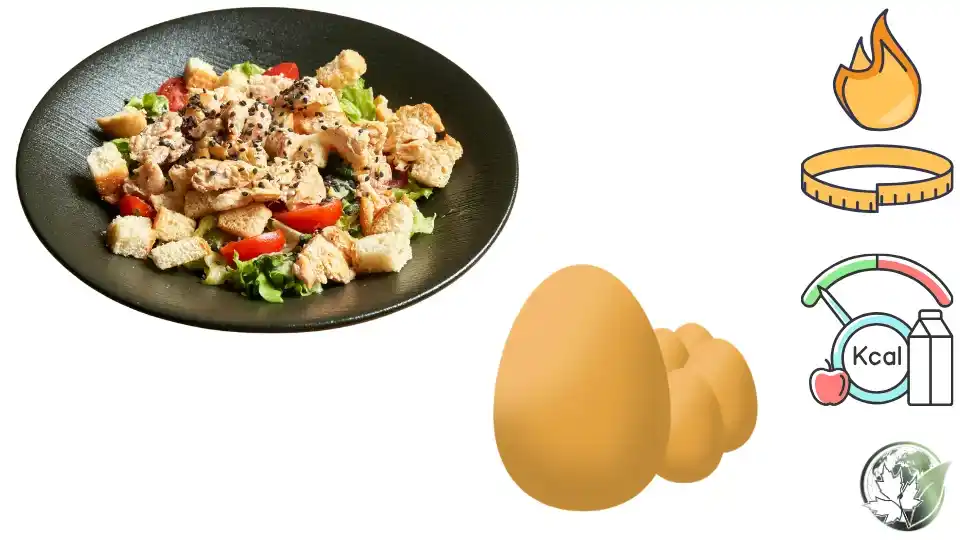
Tuna and egg make a high protein salad for about 300 calories
How Many Calories Are in Common Tuna and Egg Dishes?
| Dish | Serving | Calories | Protein | Notes |
|---|---|---|---|---|
| Tuna salad with mayonnaise | 1/2 cup | 190 kcal | 16 g | 1 tbsp mayo |
| Tuna and white bean salad | 1 cup | 280 kcal | 22 g | Olive oil |
| Tuna sandwich | 1 sandwich | 400 kcal | 22 g | Mayo, bread |
| Tuna melt | 1 sandwich | 520 kcal | 28 g | Cheese |
| Tuna pasta | 1 cup | 330 kcal | 20 g | Oil, pasta |
| Salade niçoise | 1 plate | 450 kcal | 28 g | Egg, potato, olives |
| Tuna on toast, drained | 1 slice | 230 kcal | 17 g | With tomato |
| Tuna and egg salad | 1 cup | 290 kcal | 27 g | 2 eggs, 3 oz tuna |
| Boiled egg | 1 large | 78 kcal | 6.3 g | Plain |
| Fried egg | 1 large | 90 kcal | 6.3 g | 1/2 tsp oil |
| Scrambled eggs | 2 large | 200 kcal | 13 g | With butter |
| Omelet, 2 eggs, cheese | 1 omelet | 280 kcal | 18 g | Cheese |
A tuna and egg salad, made with 3 ounces of drained tuna in olive oil and 2 boiled eggs, at 168 plus 156, comes to about 324 calories with around 38 grams of protein, a high protein meal for a moderate number of calories, especially when you add tomato, cucumber and lemon rather than mayonnaise.
Which Is Better for Weight Loss: Tuna in Olive Oil or an Egg?
Both are good protein foods that help with fullness. Per calorie, tuna in water is the leanest option, at about 22 grams of protein per 100 calories, while tuna in olive oil is moderate at about 15 grams, and whole eggs about 9 grams. An egg has the lowest calories per piece at 72, so it is easy to fit in a day's plan. Eggs for breakfast have been shown in studies to increase fullness and reduce calorie intake later in the day, compared with a bread-based breakfast of the same calories. Tuna offers a convenient lunch with very high protein.
If your plan is to lose weight, a sensible approach is to drain tuna in olive oil well, use a 3 ounce serving of 168 calories, and combine it with vegetables and a boiled egg instead of mayonnaise. If you want the most protein for the fewest calories, choose water-packed tuna. If you want the best flavor in a small portion, tuna in olive oil is worth the extra calories.
How to Choose, Store and Use Tuna in Olive Oil
Look for tuna packed in extra virgin or pure olive oil, with a short ingredient list of tuna, oil and salt. Jars and tins with large pieces of fillet are higher in quality than flaked tuna, which is often chunk pieces. Tuna from the Mediterranean packed in olive oil, such as Italian tonno or Spanish bonito del norte, is often more flavorful. Check the sustainability label, such as pole-and-line caught, to protect tuna stocks. Store unopened cans in a cool pantry for years, and once opened, move any leftover tuna with its oil to a glass container in the refrigerator for up to three days.
Use the oil in cooking rather than pouring it away: it holds tuna flavor and can be mixed into a vinaigrette or used to sauté garlic, but remember that a tablespoon has 119 calories. Pair tuna with lemon, capers, parsley, tomatoes, beans, arugula or cucumbers, which add flavor for few calories.
Drain tuna in olive oil well and add lemon and vegetables to keep calories moderate
How to Count Tuna in Olive Oil Calories Accurately
Decide first whether you will drain the tuna. If you do, weigh the tuna on a scale after draining and use 198 calories per 100 grams, or the label's figure for drained weight. If the label gives calories for the whole can or per serving with oil, check the serving size, as many cans list a serving as 56 grams, about 2 ounces, drained or undrained. If you eat some of the oil, such as when mixing it into a salad, add 119 calories per tablespoon. For eggs, count 72 for a large egg, 78 if boiled, and about 90 if fried in oil.
How Much Protein Do You Need and How Do Tuna and Egg Help?
Most adults need about 0.8 grams of protein per kilogram of body weight a day, which is about 56 grams for a 70 kilogram person, and active people or those losing weight often aim for 1.2 to 1.6 grams per kilogram, which is 84 to 112 grams. A 3 ounce serving of drained tuna in olive oil gives about 25 grams, almost half of a sedentary adult's daily need, for 168 calories. Two large eggs give about 12.6 grams for 143 calories. Together, in a lunch of one small can of tuna and two eggs, you would reach nearly 32 grams of protein and about 270 calories. Distributing protein across meals, with 25 to 30 grams at each, supports muscle maintenance, especially when dieting or growing older.
What Are the Differences in Fat Between Tuna in Olive Oil and Eggs?
Fat is the main reason for the calorie gap. Drained tuna in olive oil has about 8.2 grams of fat per 100 grams, mostly monounsaturated from the olive oil, with a small amount of omega-3 from the fish. Whole egg has 9.5 grams per 100 grams, of which about a third is saturated and the rest mono and polyunsaturated. Tuna has very little cholesterol, 18 milligrams per 100 grams, while an egg has about 186 milligrams, all in the yolk. Current research suggests that dietary cholesterol has a limited effect on blood cholesterol for most people, so eggs are accepted as part of a healthy diet, with up to about one a day for many adults. People with diabetes or high cholesterol may want to discuss limits with their doctor.
Can You Mix Tuna in Olive Oil and Egg in One Meal Without Too Many Calories?
Yes, and it is a classic combination. For a light version, mash one drained small can (129 calories) with one boiled egg (78), add chopped celery, parsley, a squeeze of lemon and a teaspoon of mustard for a salad of about 220 calories and 25 grams of protein, with no mayonnaise. For a Persian-style lunch, combine drained tuna with boiled egg, tomato, cucumber, onion and olive oil on a wrap or lavash for about 350 calories. For a salade niçoise, use half the usual olives and dressing and keep the potatoes to a few small pieces to land near 400 calories. In each case, the biggest swing factor is the dressing: one tablespoon of mayonnaise adds 94 calories and one tablespoon of olive oil adds 119.
Is Tuna in Olive Oil Safe to Eat Every Day?
Because of mercury, most health agencies suggest varying your fish and limiting tuna, rather than eating it daily. Light skipjack tuna is the lowest in mercury, at about 0.1 parts per million, while albacore averages about 0.35 and bigeye about 0.7. For an adult in good health, two to three servings a week of light tuna is generally considered fine. People who are pregnant, planning pregnancy or feeding small children should follow national guidance, which often recommends light tuna only and up to about three servings of 4 ounces a week. Alternating tuna with salmon, sardines, mackerel and eggs gives similar protein with different contaminants and more omega-3, and it keeps your diet varied.
What Should You Look for on the Tuna Label?
Check three lines on the can. First, the net weight and the drained weight: a 5 ounce can may contain only 112 grams of fish, and the calories on the label are usually given per 56 gram or 2 ounce serving, so multiply accordingly. Second, the ingredients: tuna, olive oil and salt is ideal, while "vegetable oil" or "added broth" means a different product. Third, the sodium per serving, which ranges from about 200 to 450 milligrams, so choose a lower value if you eat tuna often. If you track calories, log the exact product, since two brands of tuna in olive oil can differ by 30 to 40 calories per serving, depending on how much oil the flesh absorbed and how much the manufacturer drains before filling.
Key Takeaways: Tuna in Olive Oil Calories vs a Large Egg
Tuna in olive oil has about 198 calories per 100 grams drained and about 290 with the oil, while a large egg has 72, so a drained can equals about three eggs. Tuna has more protein per 100 calories than egg, but less choline and more sodium. Drain it well, keep to 3 ounce servings, mind the mercury, and add vegetables instead of mayonnaise.
Frequently Asked Questions
6 questions answered
How many calories are in a can of tuna in olive oil?
About 222 drained and about 310 with the oil.
Does tuna in olive oil have more calories than an egg?
Yes, a drained can has about as many as three large eggs.
Is tuna in oil more fattening than tuna in water?
Yes, about 70 to 80 more calories per 100 grams.
How many calories are in a large egg?
About 72.
Is tuna in olive oil good for you?
Yes, in moderation, but watch mercury and sodium.
Should I drain tuna packed in olive oil?
Yes, if you want to reduce calories.