How Many Calories Are in a Tomato? The Quick Answer
A medium raw tomato (about 123 grams, 2 2/5 inches across) has about 22 calories. Per 100 grams, a tomato has about 18 calories. A small tomato (91 g) has about 16, a large tomato (182 g) about 33, a cup of chopped tomato (180 g) about 32, a cherry tomato (17 g) about 3, and a slice (20 g) about 4. A medium apple (182 grams) has about 95 calories, and 100 grams of apple has about 52. So per gram, a tomato has about 65 percent fewer calories than an apple, and a medium tomato has about 77 percent fewer than a medium apple.
Tomato is one of the lowest calorie foods that people eat in large quantities. It is about 95 percent water, with only 3.9 grams of carbohydrate, 0.9 gram of protein, 0.2 gram of fat and 1.2 grams of fiber per 100 grams. Apple is about 86 percent water and has 13.8 grams of carbohydrate per 100 grams, of which 10.4 grams is sugar, and 2.4 grams of fiber. The sugar in a tomato is only 2.6 grams per 100 grams, a quarter of that in an apple, which is why a tomato tastes mildly sweet and sharp rather than sugary.
The question of whether a tomato is a fruit or a vegetable is interesting here. Botanically, a tomato is a fruit, since it develops from the flower's ovary and contains seeds. In the kitchen, it is used as a vegetable, because it is savory and used in salads, sauces and main dishes. This guide gives the calories in tomatoes by size, cup, slice and weight, compares them with apples, covers cherry, Roma, beefsteak and green tomatoes, shows how cooking, canning, sun-drying and juicing change the numbers, and explains lycopene, blood sugar, weight loss and storage. There are three comparison tables and an FAQ.
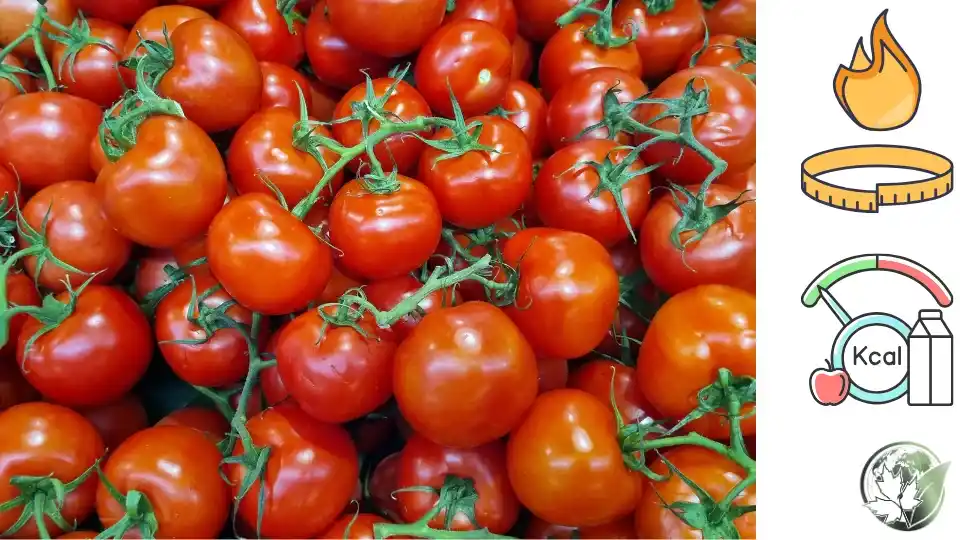
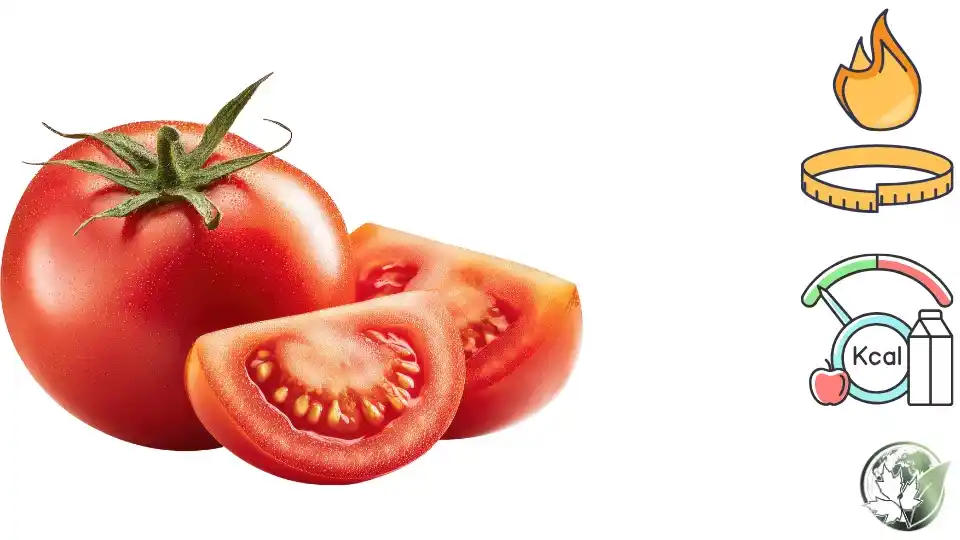
A medium tomato has about 22 calories and 95 percent water
How Many Calories Are in a Tomato by Size, Cup and Slice?
| Portion | Weight | Calories | Carbs | Sugar | Fiber |
|---|---|---|---|---|---|
| 1 cherry tomato | 17 g | 3 kcal | 0.7 g | 0.4 g | 0.2 g |
| 5 cherry tomatoes | 85 g | 15 kcal | 3.3 g | 2.2 g | 1.0 g |
| 10 cherry tomatoes | 170 g | 30 kcal | 6.6 g | 4.4 g | 2.0 g |
| 1 slice (1/4 inch) | 20 g | 4 kcal | 0.8 g | 0.5 g | 0.2 g |
| 1 Roma (plum) tomato | 62 g | 11 kcal | 2.4 g | 1.6 g | 0.7 g |
| 1 small tomato | 91 g | 16 kcal | 3.5 g | 2.4 g | 1.1 g |
| 1 medium tomato | 123 g | 22 kcal | 4.8 g | 3.2 g | 1.5 g |
| 1 large tomato | 182 g | 33 kcal | 7.1 g | 4.7 g | 2.2 g |
| 1 beefsteak tomato | 250 g | 45 kcal | 9.8 g | 6.5 g | 3.0 g |
| 1 cup chopped | 180 g | 32 kcal | 7.0 g | 4.7 g | 2.2 g |
| 1 cup cherry tomatoes | 149 g | 27 kcal | 5.8 g | 3.9 g | 1.8 g |
| 100 g | 100 g | 18 kcal | 3.9 g | 2.6 g | 1.2 g |
| 1 kg | 1,000 g | 180 kcal | 39 g | 26 g | 12 g |
A kilogram of tomatoes has about 180 calories, which is less than a large slice of pizza. A typical salad portion of a medium tomato adds 22 calories, and a sandwich with two slices adds about 8.
How Many Calories Are in Different Types of Tomato?
| Tomato type (raw, 100 g) | Calories | Sugar | Fiber | Notes |
|---|---|---|---|---|
| Red round tomato | 18 kcal | 2.6 g | 1.2 g | All-purpose |
| Cherry tomato | 18 kcal | 2.6 g | 1.2 g | Sweet, small |
| Grape tomato | 21 kcal | 3.0 g | 1.2 g | Sweeter |
| Roma (plum) tomato | 18 kcal | 2.6 g | 1.2 g | Meaty, for sauces |
| Beefsteak tomato | 18 kcal | 2.6 g | 1.2 g | Large, slicing |
| Heirloom tomato | 18 kcal | 2.8 g | 1.2 g | Varied color |
| Yellow tomato | 15 kcal | 2.5 g | 0.9 g | Mild, low acid |
| Green tomato (unripe) | 23 kcal | 2.5 g | 1.1 g | Firm, tart |
| Tomatillo | 32 kcal | 3.9 g | 1.9 g | Related, husked |
| Tomato, boiled | 18 kcal | 2.7 g | 1.3 g | Same, softer |
| Tomato, canned, whole | 21 kcal | 3.5 g | 1.9 g | In juice |
| Tomato, canned, diced | 24 kcal | 3.9 g | 1.4 g | With salt |
All fresh tomatoes are within about 15 to 23 calories per 100 grams. The differences between types are mainly in flavor, texture and size, so a bowl of cherry tomatoes and a sliced beefsteak have about the same calories by weight.
Tomato vs an Apple: Calories Compared
| Food | Portion | Weight | Calories | Sugar | Fiber |
|---|---|---|---|---|---|
| Tomato | 100 g | 100 g | 18 kcal | 2.6 g | 1.2 g |
| Tomato | 1 medium | 123 g | 22 kcal | 3.2 g | 1.5 g |
| Tomato | 1 cup chopped | 180 g | 32 kcal | 4.7 g | 2.2 g |
| Apple | 100 g | 100 g | 52 kcal | 10.4 g | 2.4 g |
| Apple | 1 small | 149 g | 77 kcal | 15.5 g | 3.6 g |
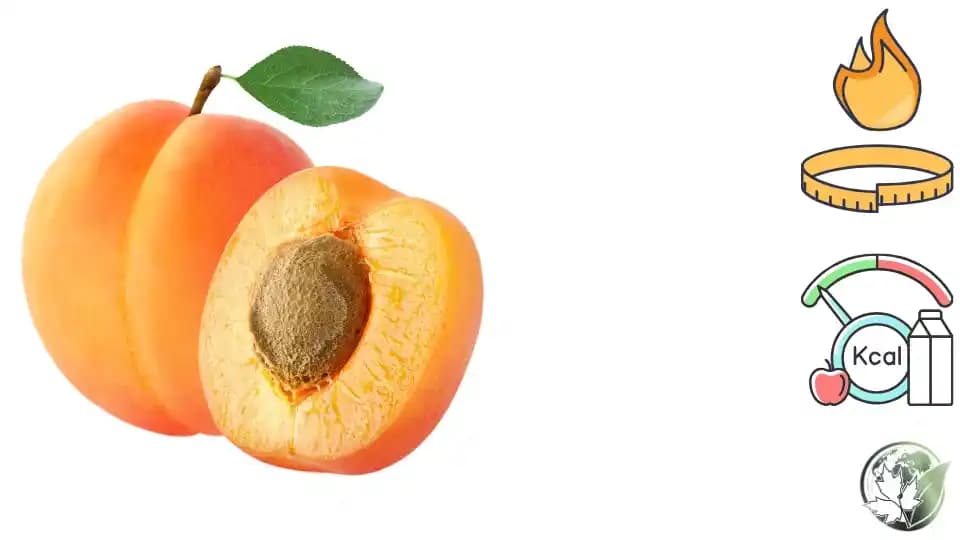
| Apple | 1 medium | 182 g | 95 kcal | 18.9 g | 4.4 g |
| Apple | 1 large | 223 g | 116 kcal | 23.2 g | 5.4 g |
| Apple | 1 cup sliced | 109 g | 57 kcal | 11.3 g | 2.6 g |
| Apple, without skin | 1 medium | 160 g | 76 kcal | 15.6 g | 2.9 g |
| 4 medium tomatoes | 492 g | 492 g | 89 kcal | 12.9 g | 6.0 g |
You can eat four medium tomatoes, nearly half a kilogram, for about the same calories as one medium apple. A tomato is a savory fruit and an apple a sweet one, so they serve different roles at a meal, but when you consider raw energy, the tomato is far lighter.
Tomato vs an Apple: Nutrition Compared
| Per 100 g | Tomato | Apple |
|---|---|---|
| Calories | 18 kcal | 52 kcal |
| Carbohydrate | 3.9 g | 13.8 g |
| Sugar | 2.6 g | 10.4 g |
| Fiber | 1.2 g | 2.4 g |
| Protein | 0.9 g | 0.3 g |
| Fat | 0.2 g | 0.2 g |
| Vitamin C | 14 mg | 4.6 mg |
| Vitamin A | 42 mcg | 3 mcg |
| Vitamin K | 7.9 mcg | 2.2 mcg |
| Potassium | 237 mg | 107 mg |
| Folate | 15 mcg | 3 mcg |
| Lycopene | 2,573 mcg | 0 mcg |
| Water | 94.5 g | 85.6 g |
| Per 100 calories | Tomato | Apple |
|---|---|---|
| Weight | 556 g | 192 g |
| Vitamin C | 78 mg | 9 mg |
| Potassium | 1,317 mg | 206 mg |
| Fiber | 6.7 g | 4.6 g |
| Sugar | 14.4 g | 20 g |
For 100 calories, you could eat more than half a kilogram of tomatoes, which provides nearly 80 milligrams of vitamin C, more than 1,300 milligrams of potassium and 6.7 grams of fiber, compared with 192 grams of apple. Tomatoes also provide lycopene, a carotenoid that apples lack, while apples have more pectin fiber and polyphenols such as quercetin in the skin.
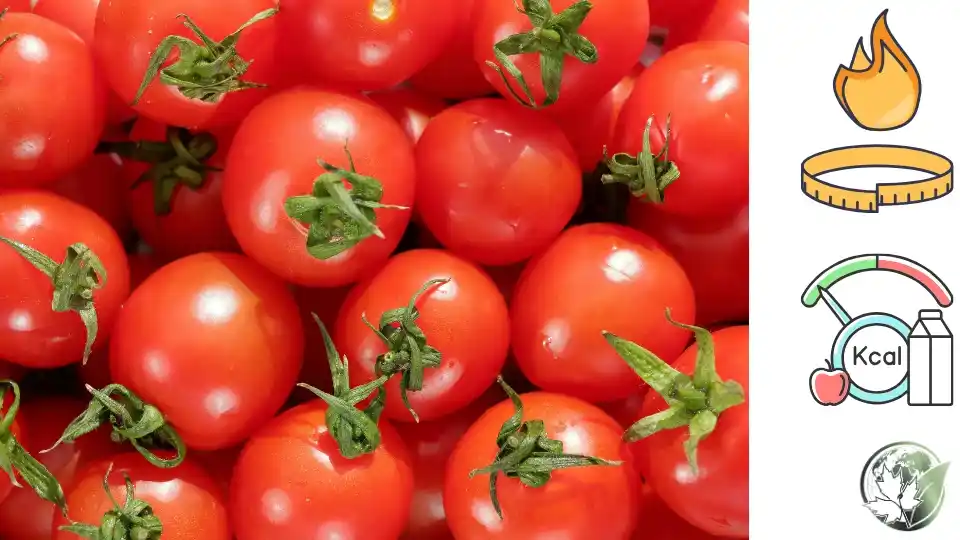
You can eat four medium tomatoes for the calories in one medium apple
How Does Cooking, Canning or Drying Change Tomato Calories?
Fresh tomatoes are mostly water, so any processing that removes water raises the calories per gram. Cooking in oil adds calories from the fat. Here is how the numbers change.
| Tomato product | Serving | Calories | Notes |
|---|---|---|---|
| Fresh tomato | 1 medium (123 g) | 22 kcal | Raw |
| Grilled tomato half | 1/2 medium | 12 kcal | Dry grilled |
| Roasted tomatoes, 1 tsp oil | 1 medium | 62 kcal | Oil adds 40 |
| Fried tomato slices | 1 medium | 80 kcal | In oil |
| Tomato, canned, diced | 1/2 cup (121 g) | 25 kcal | In juice |
| Tomato puree | 1/4 cup (62 g) | 24 kcal | Cooked down |
| Tomato juice | 1 cup (243 g) | 41 kcal | Salted |
| Tomato soup, from can | 1 cup | 90 kcal | With water |
| Cream of tomato soup | 1 cup | 160 kcal | With milk |
| Sun-dried tomatoes, dry | 1 oz (28 g) | 73 kcal | Concentrated |
| Sun-dried tomatoes in oil | 1 oz (28 g) | 60 kcal | Drained |
| Tomato paste | 1 tbsp (16 g) | 13 kcal | Concentrated |
| Ketchup | 1 tbsp (17 g) | 17 kcal | Sugar added |
Sun-dried tomatoes have about 258 calories per 100 grams, because most of the water is removed, and they are a concentrated source of flavor, used in small amounts. Roasting or frying tomatoes with oil is the quickest way to add calories: a teaspoon of oil adds 40 calories, nearly twice the calories of the tomato itself.
What Is Lycopene and Does Cooking Help?
Lycopene is a red carotenoid pigment found in tomatoes, watermelon and pink grapefruit. It acts as an antioxidant, and higher intakes of lycopene are associated in observational studies with a lower risk of heart disease and some cancers, notably prostate cancer, although evidence from trials is still limited. A medium tomato provides about 3 milligrams of lycopene. In raw tomatoes, lycopene is tightly bound in the cell structure and is poorly absorbed. Cooking breaks down the cell walls, making lycopene easier to absorb, and adding fat such as olive oil increases uptake because lycopene is fat soluble. This is why tomato sauce and paste, cooked with a little oil, are among the best sources of absorbed lycopene, with tomato paste providing about 16 milligrams per tablespoon.
You do not need to add large amounts of oil. A teaspoon of olive oil, with 40 calories, with a cooked tomato dish is enough to make a difference. Vitamin C, on the other hand, is partly destroyed by heat, so raw and cooked tomatoes both have a role.
Do Tomatoes Raise Blood Sugar?
Tomatoes have a very low glycemic index of about 15, and a glycemic load of about 1 per medium fruit. They contain only 3 to 5 grams of carbohydrate, so they have almost no effect on blood sugar. This makes them suitable for people with diabetes in any normal quantity, and on low carbohydrate and ketogenic diets, although tomato sauces and ketchup may contain added sugar. An apple has a glycemic index of about 36 and a glycemic load of about 6, which is low, but it contains more sugar, about 19 grams in a medium fruit, so it is counted as one carbohydrate exchange.
Are Tomatoes Good for Weight Loss?
Tomatoes are an excellent food for weight loss, as they have very few calories for their volume and provide fiber, vitamin C and potassium. Eating a bowl of tomato soup or a large salad before a meal can reduce the number of calories you eat during the meal, since you feel more full. They add flavor and juice to meals, which helps you use less oil, cheese and sauce. A medium tomato for 22 calories can bulk up a sandwich or an omelet.
The calories can add up from what is added. A tomato and mozzarella salad with olive oil can have 300 calories, and a tomato sandwich with mayonnaise and bread has 350. Cooking with generous amounts of oil, cheese or cream raises the calories rapidly.
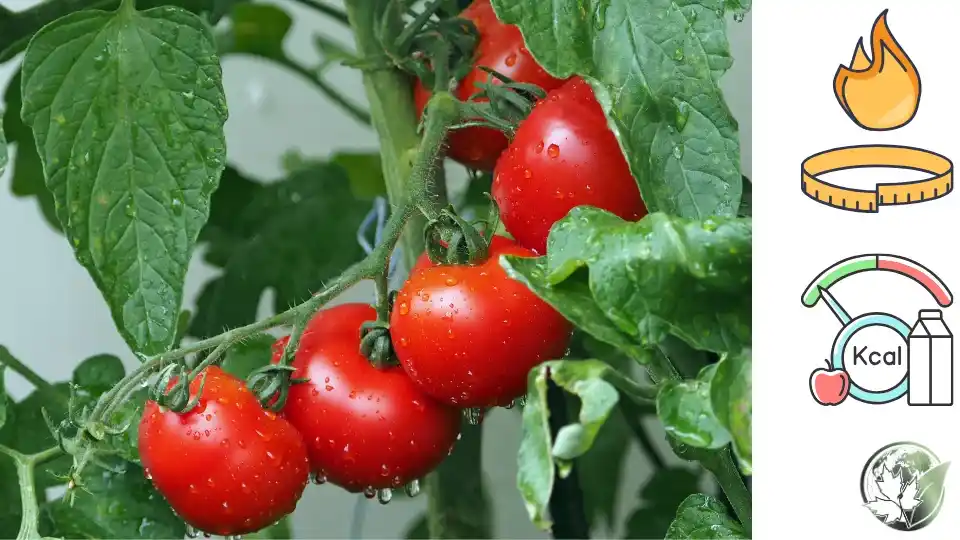
Cherry tomatoes at 3 calories each are a light way to add flavor and volume to a meal
How Many Calories Are in Tomato Dishes?
| Dish | Serving | Calories | Notes |
|---|---|---|---|
| Tomato and cucumber salad | 1 cup | 35 kcal | No dressing |
| Caprese salad | 1 serving | 280 kcal | Mozzarella, olive oil |
| Bruschetta | 1 piece | 90 kcal | Bread, oil, tomato |
| Gazpacho | 1 cup | 90 kcal | With olive oil |
| Tomato and egg stir-fry | 1 cup | 160 kcal | Chinese style |
| Persian nargesi or omelet with tomato | 1 portion | 220 kcal | With eggs and oil |
| Tomato soup, homemade | 1 cup | 100 kcal | With oil |
| Stuffed tomatoes with rice | 1 tomato | 150 kcal | Baked |
| Tomato sauce, marinara | 1/2 cup | 70 kcal | With oil |
| Pizza margherita slice | 1 slice | 250 kcal | Cheese |
| Fresh tomato salsa | 1/4 cup | 10 kcal | Low calorie |
| BLT sandwich | 1 sandwich | 420 kcal | Bacon and mayonnaise |
How to Choose and Store Tomatoes
Choose tomatoes that are firm but give slightly to pressure, with a deep color and a sweet, earthy smell at the stem end. Avoid tomatoes with cracks, bruises or soft spots. Store ripe tomatoes at room temperature, stem side down and out of direct sunlight, and eat them within a few days. Refrigeration makes tomatoes mealy and dulls their flavor, so refrigerate them only when they are very ripe and you cannot eat them in time, and bring them back to room temperature before eating. Unripe tomatoes will ripen on the counter in a paper bag with a banana. Freezing whole tomatoes works for sauces, since the skins slip off when thawed.
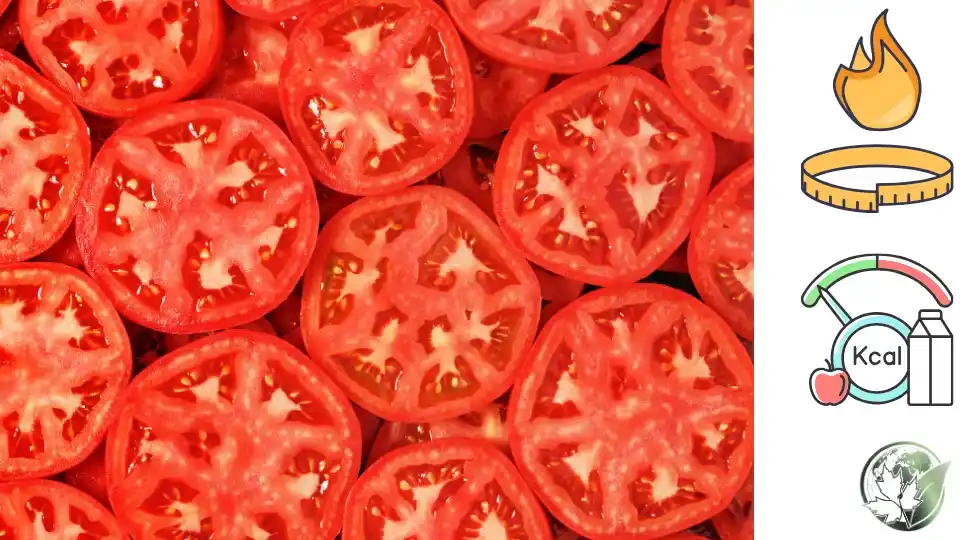
Store tomatoes at room temperature for the best flavor and eat them within a few days
How to Count Tomato Calories Accurately
Count a medium tomato as 22 calories, or weigh it and use 18 calories per 100 grams. Count the oil, cheese and dressing separately. When using canned tomatoes, check the label, since some brands add salt, sugar or oil. For sauces and soups, remember that cooking reduces volume, so a cup of sauce may have been made from several cups of tomatoes, and use the label or recipe for the total.
How Do Tomatoes Compare With Other Fruits and Vegetables?
| Food (raw, 100 g) | Calories | Sugar | Fiber | Water |
|---|---|---|---|---|
| Tomato | 18 kcal | 2.6 g | 1.2 g | 94.5 g |
| Cucumber | 15 kcal | 1.7 g | 0.5 g | 95.2 g |
| Red bell pepper | 31 kcal | 4.2 g | 2.1 g | 92 g |
| Carrot | 41 kcal | 4.7 g | 2.8 g | 88 g |
| Apple | 52 kcal | 10.4 g | 2.4 g | 85.6 g |
| Orange | 47 kcal | 9.4 g | 2.4 g | 86.8 g |
| Banana | 89 kcal | 12.2 g | 2.6 g | 74.9 g |
| Grapes | 69 kcal | 15.5 g | 0.9 g | 80.5 g |
| Watermelon | 30 kcal | 6.2 g | 0.4 g | 91.4 g |
Among everyday produce, only cucumber, lettuce and a few leafy greens have fewer calories than a tomato. Because tomatoes are fruit botanically and savory in flavor, they bridge the gap: they bring acidity and umami to a dish with almost no energy cost. That is why a tomato is one of the most useful ingredients for anyone watching calories.
How Do You Fit Tomatoes Into Daily Meals Without Adding Many Calories?
Breakfast is the easiest place to start. Sliced tomato on toast, in an omelet or beside boiled eggs adds 20 to 40 calories and a good amount of vitamin C. At lunch, a tomato and cucumber salad dressed with lemon juice and a teaspoon of olive oil totals about 75 calories for a large bowl. At dinner, fresh tomatoes grilled beside meat or fish add flavor without sauce.
Some practical swaps help. Use fresh tomato salsa at 10 calories per quarter cup instead of a creamy dip at 60 to 100. Use a tomato-based pasta sauce, at about 70 calories per half cup, rather than an Alfredo sauce at 220. Add a sliced tomato to a burger instead of extra cheese, saving about 50 calories. Blend a ripe tomato with garlic and herbs for a quick sauce base that needs little oil.
Are There Any Downsides to Eating Tomatoes?
Tomatoes are safe for most people, but a few points are worth knowing. They are acidic, with a pH of about 4.3 to 4.9, so some people with acid reflux or heartburn find that tomatoes and tomato sauce trigger symptoms. Tomatoes belong to the nightshade family, and a small number of people report sensitivity, although there is little scientific evidence that nightshades cause inflammation in most people. Tomato allergy is uncommon but possible, often linked to pollen allergy. Canned tomato products can be high in sodium, with diced canned tomatoes holding up to 300 milligrams per half cup unless labeled no salt added, and the lining of some cans may contain bisphenol A, so glass jars or cartons are an alternative.
People who take potassium-sparing medication or have kidney disease needing a low potassium diet should keep an eye on tomato products, since a cup of tomato juice has more than 500 milligrams of potassium, and tomato paste is especially concentrated.
How Does Tomato Compare With Apple for Satiety?
Satiety depends on volume, fiber, water and protein. Per calorie, tomatoes are bulkier than apples, so a plate of tomatoes fills the stomach with fewer calories. An apple, though, has more fiber per portion, 4.4 grams in a medium fruit compared with 1.5 grams in a medium tomato, and pectin slows digestion, so an apple is a more filling standalone snack. A tomato is better suited as part of a meal, in a salad or in a soup, while an apple is a better portable snack. A sensible approach is to use both: tomatoes to add volume to meals and an apple when you want something sweet between meals.
Which Is Better for You: A Tomato or an Apple?
Neither is better in all respects. The tomato gives you lycopene, vitamin C, vitamin A, vitamin K and potassium for very few calories. The apple gives you more fiber, pectin and polyphenols, and satisfies a sweet craving. For calories alone, tomatoes win clearly. For a varied diet, eating both is ideal, since they supply different protective compounds. Many nutrition guidelines recommend at least five portions of fruit and vegetables a day, and a medium tomato or an apple each counts as one portion, so two tomatoes or an apple plus a tomato together move you well toward that goal.
How Do You Weigh and Log Tomatoes in a Food Diary?
If you track calories, weighing is more accurate than counting fruits, because a "medium" tomato can range from 100 to 150 grams. Place the whole tomato on a scale and multiply by 0.18 to get calories: a 140 gram tomato has 25 calories, and a 200 gram one has 36. For sliced tomatoes in a sandwich, estimate 20 grams per slice, or 4 calories. For cherry tomatoes, count them: ten average about 30 calories. For cooked dishes, log the tomatoes and the oil as separate lines, since a tablespoon of oil at 120 calories can outweigh a pound of tomatoes at 82. Because tomatoes are so low in calories, small estimation errors barely matter, and most people can log them loosely without affecting the daily total. Spend your accuracy on calorie-dense items such as oil, cheese, bread and nuts instead.
Key Takeaways: Tomato Calories vs an Apple
A medium tomato has about 22 calories and 100 grams has 18, against 95 and 52 for a medium apple. You can eat four medium tomatoes for the calories of one apple, with lycopene, vitamin C and potassium. Cook with a little oil to absorb lycopene, and count the oil and cheese, which carry the calories in tomato dishes.
Frequently Asked Questions
6 questions answered
How many calories are in a medium tomato?
About 22.
How many calories are in a cherry tomato?
About 3.
Does a tomato have fewer calories than an apple?
Yes, about four times fewer per medium fruit.
Is a tomato a fruit or a vegetable?
Botanically a fruit, culinarily a vegetable.
How many calories are in sun-dried tomatoes?
About 258 per 100 grams, or 73 per ounce.
Are cooked tomatoes healthier than raw?
Cooking makes lycopene easier to absorb, but both are good.