
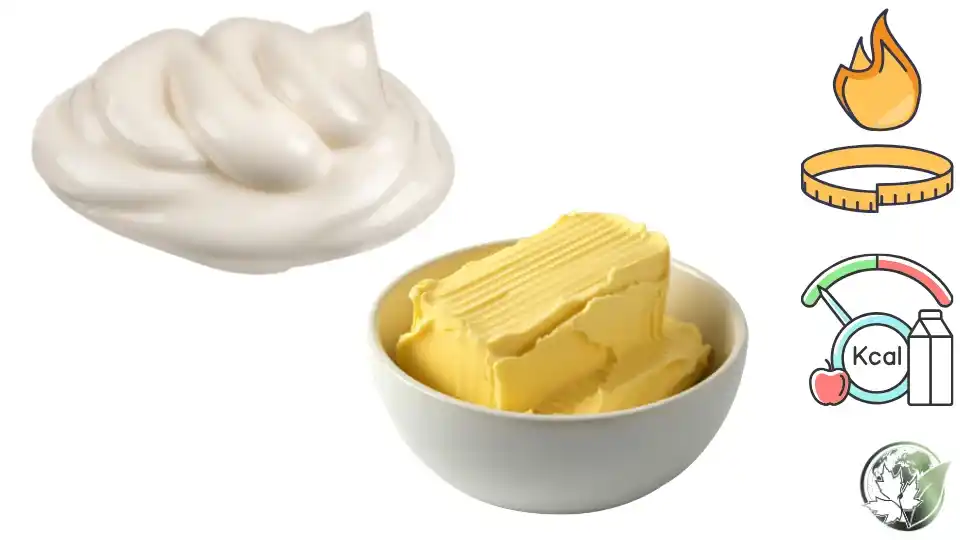
How Many Calories Are in Mayonnaise? The Quick Answer
Regular mayonnaise has about 94 calories per tablespoon (14 grams) and about 680 calories per 100 grams. A teaspoon has about 31 calories, two tablespoons have about 188, a quarter cup (56 g) has about 380, and a full cup (220 g) has about 1,500. Butter has about 102 calories per tablespoon (14 grams) and 717 per 100 grams. So per tablespoon, mayonnaise has about 8 percent fewer calories than butter, and per 100 grams about 5 percent fewer.
The two are close because both are nearly pure fat. Butter is about 80 percent fat and 16 percent water. Mayonnaise is about 75 percent fat, made by emulsifying oil with egg yolk, vinegar or lemon juice, with the rest as water, a little egg protein and seasoning. Fat has 9 calories per gram, so any food that is three quarters fat has about 7 calories per gram. Differences between brands, oils and types of mayonnaise can swing the number a great deal: light mayonnaise has as few as 35 calories per tablespoon, while an olive oil or avocado oil based version can have 90 to 100.
The main nutritional difference is the type of fat. Butter has about 7 grams of saturated fat per tablespoon, while regular mayonnaise has only about 1.6 grams, because most mayonnaise is made from soybean or canola oil, which are higher in unsaturated fat. Mayonnaise also has far less cholesterol, about 5 milligrams compared with 31 for butter. This guide covers the calories in mayonnaise by spoon, cup and weight, compares it with butter and other spreads, looks at light, vegan, olive oil and homemade versions, and then covers sandwiches, salads and dressings made with mayonnaise. There are three comparison tables and an FAQ.
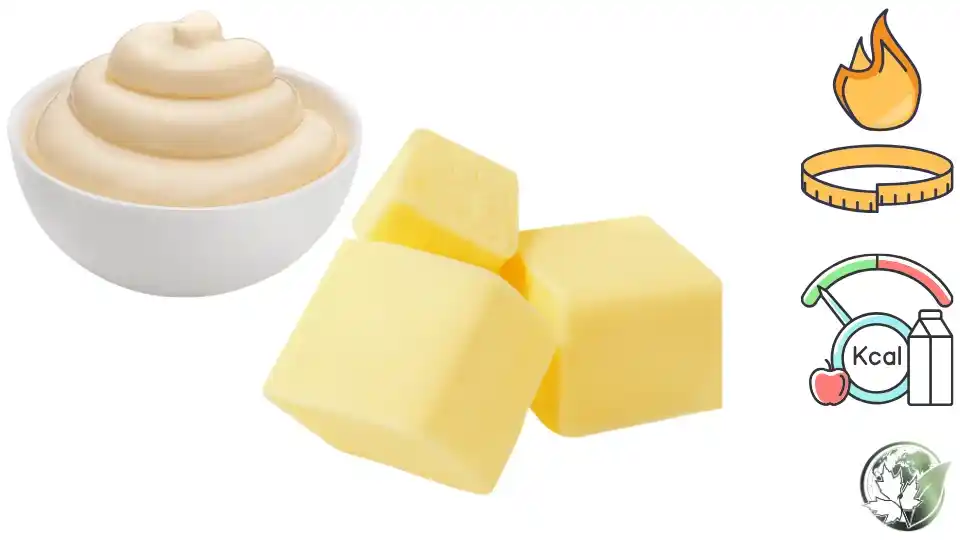
A tablespoon of regular mayonnaise has about 94 calories, almost all from oil
How Many Calories Are in Mayonnaise by Spoon, Cup and Weight?
The table is for regular full-fat mayonnaise made with soybean oil.
| Portion | Weight | Calories | Fat | Saturated fat | Sodium |
|---|---|---|---|---|---|
| 1 teaspoon | 5 g | 31 kcal | 3.4 g | 0.5 g | 29 mg |
| 1 tablespoon | 14 g | 94 kcal | 10.3 g | 1.6 g | 88 mg |
| 2 tablespoons | 28 g | 188 kcal | 20.6 g | 3.2 g | 176 mg |
| 1/4 cup | 56 g | 380 kcal | 41.8 g | 6.5 g | 350 mg |
| 1/2 cup | 110 g | 750 kcal | 82.5 g | 12.8 g | 690 mg |
| 1 cup | 220 g | 1,500 kcal | 165 g | 26 g | 1,400 mg |
| Single serve packet | 12 g | 80 kcal | 8.8 g | 1.4 g | 75 mg |
| 100 g | 100 g | 680 kcal | 75 g | 11.7 g | 635 mg |
| Jar, 30 oz | 850 g | 5,780 kcal | 637 g | 100 g | 5,400 mg |
Most people use one to two tablespoons on a sandwich, which is 94 to 188 calories. A heavy-handed spread in a deli sandwich can reach 3 tablespoons, or 280 calories, which is more than many people expect from a condiment.
Mayonnaise vs Butter: Calories Compared
| Food | Portion | Weight | Calories | Fat | Saturated fat | Cholesterol |
|---|---|---|---|---|---|---|
| Mayonnaise | 1 teaspoon | 5 g | 31 kcal | 3.4 g | 0.5 g | 2 mg |
| Mayonnaise | 1 tablespoon | 14 g | 94 kcal | 10.3 g | 1.6 g | 5 mg |
| Mayonnaise | 100 g | 100 g | 680 kcal | 75 g | 11.7 g | 42 mg |
| Butter, salted | 1 teaspoon | 4.7 g | 34 kcal | 3.8 g | 2.4 g | 10 mg |
| Butter, salted | 1 tablespoon | 14 g | 102 kcal | 11.5 g | 7.3 g | 31 mg |
| Butter, salted | 100 g | 100 g | 717 kcal | 81 g | 51 g | 215 mg |
| Butter pat | 1 pat (5 g) | 5 g | 36 kcal | 4.1 g | 2.5 g | 11 mg |
| Margarine | 1 tablespoon | 14 g | 102 kcal | 11.4 g | 2.0 g | 0 mg |
| Light mayonnaise | 1 tablespoon | 15 g | 35 kcal | 3.0 g | 0.5 g | 5 mg |
Per tablespoon the difference between mayonnaise and butter is only 8 calories. The real gap is in saturated fat, where butter has more than four times as much, and in cholesterol, where butter has six times as much. That does not make mayonnaise a health food, but it does mean the two are not the same in how they affect blood fats.
Mayonnaise vs Butter: Nutrition Compared
| Per 100 g | Mayonnaise | Butter |
|---|---|---|
| Calories | 680 kcal | 717 kcal |
| Fat | 75 g | 81 g |
| Saturated fat | 11.7 g | 51 g |
| Monounsaturated fat | 17 g | 21 g |
| Polyunsaturated fat | 42 g | 3 g |
| Cholesterol | 42 mg | 215 mg |
| Carbohydrate | 0.6 g | 0.1 g |
| Protein | 1.0 g | 0.9 g |
| Water | 20 g | 16 g |
| Sodium | 635 mg | 643 mg |
| Vitamin A | 0 mcg | 684 mcg |
| Vitamin E | 12 mg | 2.3 mg |
| Vitamin K | 80 mcg | 7 mcg |
Butter is a good source of vitamin A, while mayonnaise made with soybean oil has more vitamin E and vitamin K and much more polyunsaturated fat, including omega-6 fatty acids. Neither is a significant source of protein.

Mayonnaise has fewer calories than butter and about one quarter of the saturated fat
How Many Calories Are in Different Types of Mayonnaise?
The calories in mayonnaise depend on the oil and on how much of it is used. Light products replace some oil with water and starch.
| Type (1 tablespoon) | Calories | Fat | Notes |
|---|---|---|---|
| Regular mayonnaise | 94 kcal | 10.3 g | Soybean oil |
| Light mayonnaise | 35 to 50 kcal | 3.5 to 5 g | Less oil, added starch |
| Fat free mayonnaise | 10 to 12 kcal | 0 g | Water, starch, sugar |
| Olive oil mayonnaise | 90 kcal | 10 g | Sometimes blended with other oils |
| Avocado oil mayonnaise | 100 kcal | 11 g | Premium priced |
| Vegan mayonnaise (egg free) | 70 to 90 kcal | 8 to 10 g | Soy, pea protein or aquafaba |
| Homemade mayonnaise | 100 kcal | 11 g | Oil, egg yolk, lemon |
| Japanese Kewpie mayonnaise | 100 kcal | 11 g | Egg yolk only, rice vinegar |
| Aioli (garlic mayonnaise) | 95 kcal | 10.5 g | Olive oil and garlic |
| Miracle Whip style dressing | 40 kcal | 3.5 g | Sweeter, less oil |
| Greek yogurt as a spread | 9 kcal | 0.5 g | Tangy, low calorie |
| Mashed avocado | 25 kcal | 2.3 g | Not an emulsion |
Light mayonnaise saves about 55 calories per tablespoon, which is substantial if you use it every day. The fat free versions rely on sugar and starch to keep the texture, so they may not taste or behave like the original. A teaspoon of full-fat mayonnaise is sometimes more satisfying than a tablespoon of a light one.
Is Mayonnaise or Butter Better for Weight Loss?
Neither is a weight loss food, since both are very dense in calories, at about 7 calories per gram. The relevant comparison is how much you are likely to use. Butter is typically spread thinly, about a teaspoon on a slice of bread, which is 34 calories. Mayonnaise is more often applied by the tablespoon or mixed into salads, so people tend to eat more of it, and a 2 tablespoon portion of 188 calories can easily outweigh a teaspoon of butter. For weight management it helps to measure either one, use a thin layer, and choose lighter alternatives such as mustard, hummus, Greek yogurt or mashed avocado.
A sandwich with a tablespoon of mayonnaise and no butter, for instance, has 94 calories from the spread. If you use butter on one slice and mayonnaise on the other, you add both. For flavor with fewer calories, you can mix equal parts of mayonnaise and Greek yogurt, which gives a creamy spread with about 50 calories per tablespoon.
Are Mayonnaise and Butter Healthy?
Both can fit into a healthy diet in moderate amounts. Butter's saturated fat raises LDL cholesterol in many people, so health guidelines advise limiting saturated fat to under 10 percent of calories, or about 22 grams on a 2,000 calorie diet. A tablespoon of butter provides about a third of that. Mayonnaise made with soybean or canola oil provides mostly unsaturated fats, which when used to replace saturated fat can help lower LDL cholesterol. However, mayonnaise is often eaten with processed meats, fries and white bread, and in large portions it adds many calories. Commercial mayonnaise is also moderately high in sodium, with about 88 milligrams in a tablespoon, although this is much lower than many other sauces.
Homemade mayonnaise made with raw egg yolk has a small risk of Salmonella, which is why commercial mayonnaise uses pasteurized eggs and acid, and why homemade versions should be refrigerated and eaten within a few days. Pregnant women, the elderly and young children are advised to use pasteurized eggs.
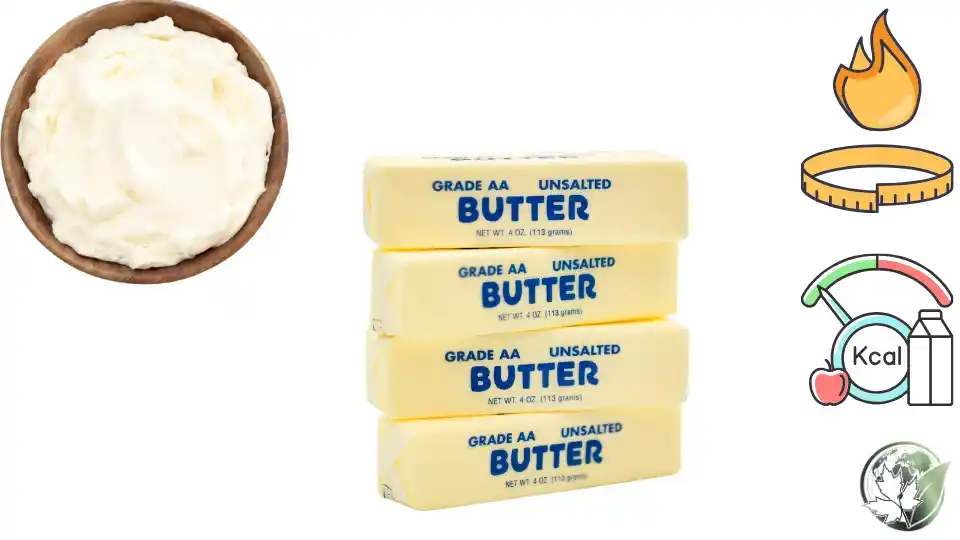
A thick layer of mayonnaise on a sandwich can add 150 to 280 calories
How Many Calories Are in Foods Made with Mayonnaise?
Mayonnaise is often the main source of calories in salads and sandwiches. The table shows the typical totals.
| Dish | Serving | Calories | Mayonnaise portion |
|---|---|---|---|
| Egg salad sandwich | 1 sandwich | 410 kcal | 2 tbsp |
| Tuna salad with mayonnaise | 1/2 cup (110 g) | 270 kcal | 2 tbsp |
| Chicken salad | 1/2 cup (110 g) | 290 kcal | 2 tbsp |
| Potato salad | 1/2 cup (125 g) | 180 kcal | 1.5 tbsp |
| Coleslaw | 1/2 cup (75 g) | 150 kcal | 1.5 tbsp |
| Macaroni salad | 1/2 cup (100 g) | 210 kcal | 1.5 tbsp |
| Russian salad (Olivier) | 1 cup (200 g) | 330 kcal | 3 tbsp |
| Deviled eggs | 2 halves | 130 kcal | 1 tbsp |
| BLT sandwich | 1 sandwich | 420 kcal | 1.5 tbsp |
| Burger with mayonnaise | 1 burger | 650 kcal | 1 tbsp |
| Tartar sauce | 2 tbsp | 120 kcal | Mayonnaise base |
| Ranch dressing | 2 tbsp | 129 kcal | Mayonnaise or buttermilk base |
| Sandwich with butter only | 1 sandwich | 380 kcal | 1 tbsp butter |
In a potato salad, the mayonnaise provides about half of the calories. In tuna salad it is about 70 percent, which is why tuna salad can have more calories than a cheese sandwich.
How Can You Cut the Calories in Mayonnaise Dishes?
You can keep the creamy taste while saving a lot of calories. Replace half of the mayonnaise with plain Greek yogurt in tuna, chicken or egg salad, which saves about 40 calories per tablespoon. Use light mayonnaise, which has about a third of the calories. Add mustard, lemon juice, herbs, chopped pickles, celery or onion for flavor so you can use less. Use a measuring spoon instead of a knife or spoon to avoid overshooting. Try mashed avocado, hummus or a smear of mustard on a sandwich in place of mayonnaise. With a salad, make the vegetables the main bulk and use just enough dressing to coat.
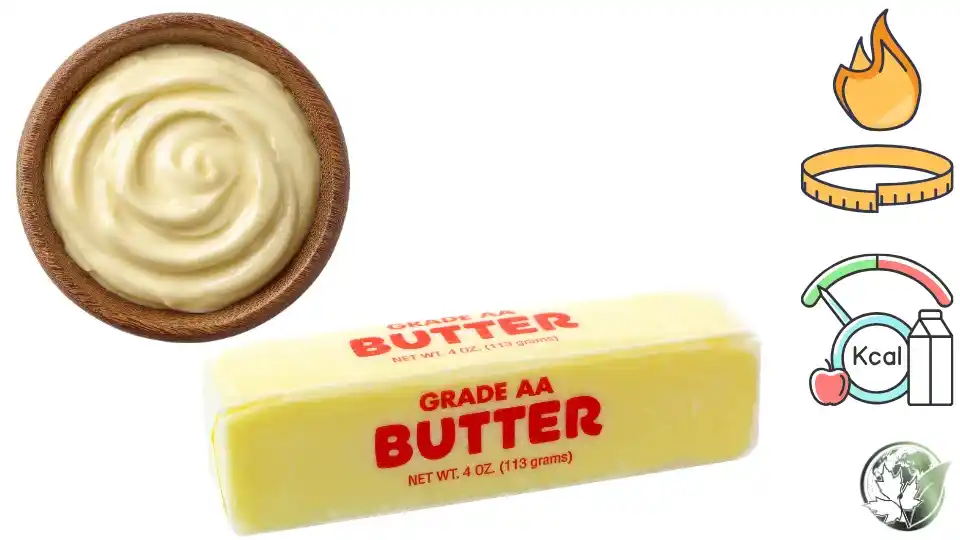
Mixing mayonnaise half and half with Greek yogurt cuts calories by about 40 percent
How Do You Count Mayonnaise Calories Accurately?
Measure mayonnaise with a level tablespoon, which is 14 grams and 94 calories, not a heaped spoon, which can be twice as much. If you are using a scale, use 6.8 calories per gram. Check the label for light and flavored versions. When you are eating prepared foods such as deli salads, the mayonnaise is hidden, so look up the dish as a whole instead of the ingredients. Remember that a swipe of mayonnaise from a knife can be one to two teaspoons, or 31 to 62 calories.
How Long Does Mayonnaise Keep?
Unopened commercial mayonnaise can be stored in the pantry until the date on the label. Once opened, refrigerate it and use it within two months, or as stated on the jar. Homemade mayonnaise lasts three to four days in the refrigerator. Do not leave dishes made with mayonnaise out in the heat for more than two hours, or one hour above 32 degrees Celsius, because the other ingredients such as chicken, eggs or potatoes can spoil. Contrary to popular belief, the mayonnaise itself is acidic and is not usually the cause of food poisoning at picnics.
How Is Mayonnaise Made and Why Is It So High in Calories?
Mayonnaise is an emulsion, a stable mixture of oil and water-based ingredients that would normally separate. Egg yolk contains lecithin, a natural emulsifier, which allows tiny droplets of oil to stay suspended in vinegar or lemon juice. A classic recipe uses about 1 egg yolk, 1 teaspoon of mustard, 1 tablespoon of vinegar or lemon juice and about 3/4 to 1 cup of oil. Almost all of the volume is oil, and that is why mayonnaise has such a high calorie density. A cup of oil has about 1,900 calories, so even a single batch of homemade mayonnaise has about 1,800 to 2,000 calories, and a tablespoon of it has about 100.
Nothing about the process removes calories. A different oil changes the fatty acid profile but not the calories, since all oils have about 120 calories per tablespoon. This is why homemade mayonnaise made with olive oil, avocado oil or sunflower oil has about the same calories as the jar from the store.
How Does Mayonnaise Compare with Other Spreads and Sauces?
Many condiments can replace mayonnaise at a lower calorie cost. The table compares one tablespoon of each.
| Spread or sauce (1 tablespoon) | Calories | Fat | Notes |
|---|---|---|---|
| Butter | 102 kcal | 11.5 g | Rich, saturated |
| Mayonnaise | 94 kcal | 10.3 g | Creamy, tangy |
| Cream cheese | 50 kcal | 5.0 g | Tangy, thick |
| Peanut butter | 94 kcal | 8.0 g | Protein, sweet |
| Hummus | 25 kcal | 1.4 g | Fiber, protein |
| Ranch dressing | 65 kcal | 7.0 g | Mayonnaise or buttermilk base |
| Mustard, yellow | 3 kcal | 0.2 g | Very light |
| Dijon mustard | 5 kcal | 0.3 g | Sharp flavor |
| Ketchup | 17 kcal | 0 g | Sweet, acidic |
| Plain Greek yogurt | 9 kcal | 0.5 g | Tangy |
| Guacamole | 25 kcal | 2.0 g | Avocado base |
| Pesto | 80 kcal | 8.0 g | Oil and nuts |
| Olive oil | 119 kcal | 13.5 g | Pure fat |
Mustard, hummus, Greek yogurt and guacamole are the best options if you want a moist sandwich with minimal calories. If you love mayonnaise, a thin layer of the real thing can be more satisfying than a heap of a substitute.
How Do Mayonnaise and Butter Behave in Cooking?
Butter and mayonnaise are used differently, but there are some interesting overlaps. A thin layer of mayonnaise on the outside of a grilled cheese sandwich, in place of butter, browns more evenly because the oil has a higher smoke point and the egg helps color, and it is just as crisp. A tablespoon of mayonnaise spread on chicken or fish before roasting keeps it moist and produces a golden crust. In baking, a cup of mayonnaise can replace the eggs and oil in a chocolate cake, which is a classic trick, although the calories remain high. Butter has a role in sauces, pastry and flavor that mayonnaise cannot replace, thanks to its milk solids and flavor when browned. In terms of calories, replacing a tablespoon of butter with a tablespoon of mayonnaise saves about 8, which is negligible, so the choice should be made by flavor and fat type.
How Much Mayonnaise Is Too Much?
Because mayonnaise is mostly fat, it is easy to overshoot. A person eating 2,000 calories per day who has two tablespoons of mayonnaise on a sandwich and two more in a side of coleslaw gets about 376 calories, or 19 percent of the day, from a condiment that has little else to offer. Health authorities do not set a specific limit for mayonnaise, but they do advise keeping total fat to 20 to 35 percent of calories and saturated fat low. If mayonnaise is a daily habit, a single tablespoon, ideally from a version made with olive or canola oil, is a practical limit that stays within these targets.
What About Mayonnaise and Special Diets?
On a ketogenic or low carbohydrate diet, mayonnaise is a popular food because it has almost no carbohydrates and is high in fat. Look for versions without added sugar, and consider those made with avocado or olive oil. For people avoiding eggs, vegan mayonnaise made with soy protein, aquafaba or pea protein is available, with a similar number of calories. For people with high cholesterol, mayonnaise made from unsaturated oil can be a better choice than butter, though the total calories matter. Those who need to restrict sodium should check the label, as flavored and light versions often have more salt and sugar to make up for the missing fat.
What Are the Most Common Mistakes People Make With Mayonnaise Calories?
The first mistake is treating mayonnaise as a flavor rather than a food. A knife loaded with mayonnaise can hold a tablespoon or more, so spreading it twice across a sandwich can add 200 calories without anyone noticing. The second is assuming that light or fat free versions can be eaten in unlimited quantities, when in fact people often use twice as much, which cancels the saving. The third is forgetting the mayonnaise hidden in prepared foods: deli salads, sushi rolls with spicy mayo, dips, burgers, wraps and sauces such as tartar or ranch can have a tablespoon or more in a single serving. The fourth is comparing mayonnaise with butter by volume without considering how it is used, since the real question is how many tablespoons end up on your plate over the week.
How Many Calories Does a Week of Mayonnaise Add Up To?
Small daily habits add up. One tablespoon of regular mayonnaise a day is 94 calories, or 658 calories a week, which is about 34,000 calories in a year, and the energy equivalent of about 4.5 kilograms of body fat if everything else stays the same. Switching to light mayonnaise at 35 calories cuts that to 245 calories a week, a saving of about 413 calories weekly, or about 21,500 calories over a year. Mixing regular mayonnaise half and half with Greek yogurt would save about 40 calories a day, or about 14,600 calories a year. None of these changes requires giving up the food you enjoy, only a measured and thoughtful approach to the spoon.
Key Takeaways: Mayonnaise Calories vs Butter
Mayonnaise has about 94 calories per tablespoon and 680 per 100 grams, slightly fewer than butter at 102 and 717. It has about a quarter of the saturated fat of butter. Light mayonnaise has 35 to 50 calories per tablespoon, and mixing it with Greek yogurt cuts calories further. Measure your spoon, because the sandwich and salad portions are the real source of the calories.
Frequently Asked Questions
6 questions answered
How many calories are in a tablespoon of mayonnaise?
About 94 for regular mayonnaise.
Does mayonnaise have fewer calories than butter?
Slightly, 94 per tablespoon against 102.
How many calories are in light mayonnaise?
About 35 to 50 per tablespoon.
Which has less saturated fat, mayonnaise or butter?
Mayonnaise, with about 1.6 grams per tablespoon against 7.3.
How many calories are in 100 grams of mayonnaise?
About 680.
What can I use instead of mayonnaise?
Greek yogurt, mustard, hummus or mashed avocado.




