How Many Calories Are in Lemon Juice? The Quick Answer
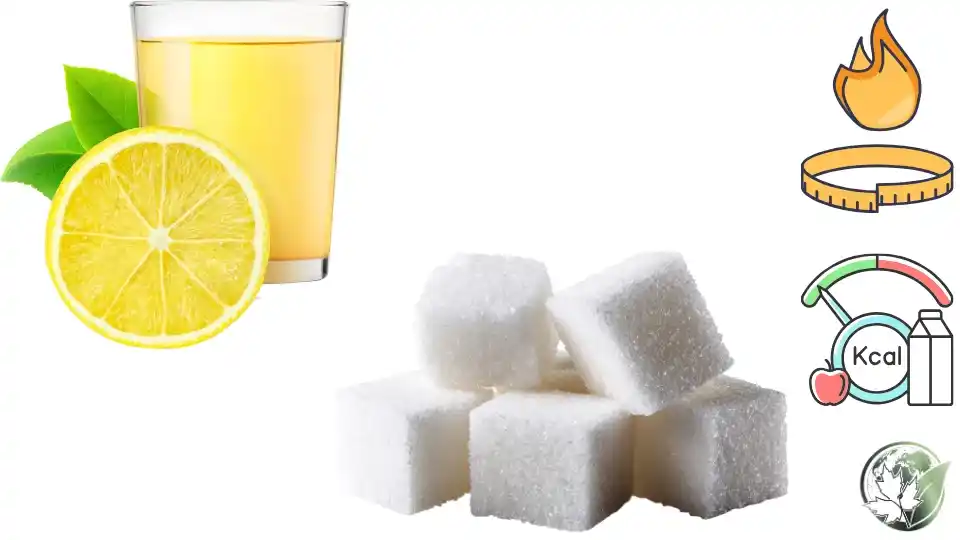
Lemon juice has about 22 calories per 100 milliliters. A teaspoon (5 ml) has about 1 calorie, a tablespoon (15 ml) has about 3, the juice of half a lemon (about 25 ml) has about 6, the juice of a whole lemon (about 45 ml) has about 10, a quarter cup (60 ml) has about 13 and a full cup (244 ml) has about 54 calories. A sugar cube of 4 grams has about 16 calories, so a tablespoon of lemon juice has about one fifth of the calories of one cube, and the juice of a whole lemon has fewer calories than a single sugar cube.
Lemon juice is mostly water, about 92 percent, with about 6 percent citric acid and 2.5 percent sugar. The sugar content is very low, about 0.4 gram per tablespoon. That makes it one of the lowest calorie flavorings available, and it is why lemon is used to brighten drinks, dressings and dishes without adding meaningful energy.
The calories enter when lemon juice is turned into lemonade or combined with sugar, honey or syrup. A cup of sweetened lemonade has about 100 calories and 25 grams of sugar, more than six sugar cubes. This guide lists lemon juice calories per teaspoon, tablespoon, lemon and cup, compares them with sugar cubes, and shows the calories of lemon water, lemonade, lemon tea and other drinks and dishes. It also covers vitamin C, blood sugar, weight loss, tooth enamel, storage and counting. You will find three comparison tables and an FAQ.
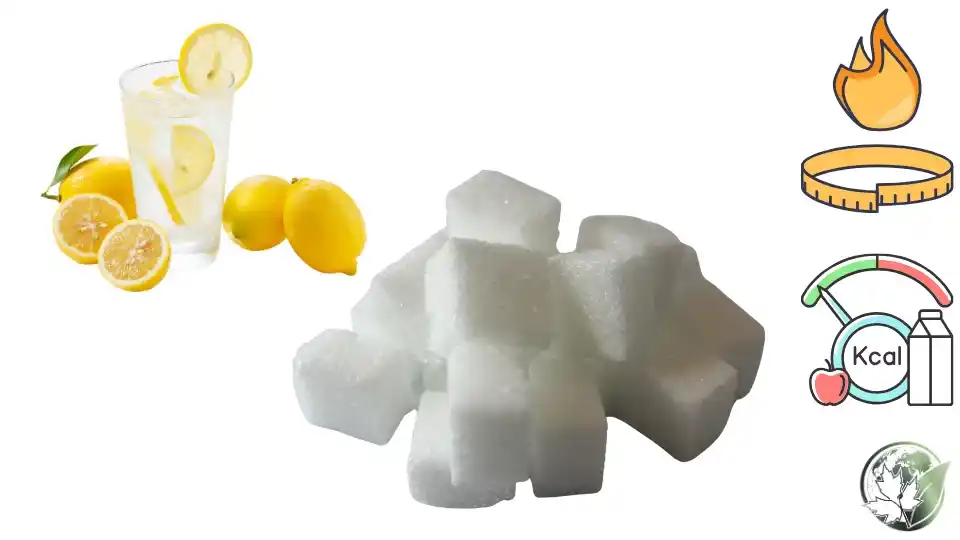
The juice of a whole lemon has about 10 calories
How Many Calories Are in a Teaspoon, Tablespoon, Lemon and Cup of Lemon Juice?
A medium lemon of about 85 grams gives about 3 tablespoons of juice. The calories below are for fresh or bottled 100 percent lemon juice.
| Portion | Volume | Calories | Sugar | Vitamin C |
|---|---|---|---|---|
| 1 squeeze (wedge) | 5 ml | 1 kcal | 0.1 g | 2 mg |
| 1 teaspoon | 5 ml | 1 kcal | 0.1 g | 2 mg |
| 1 tablespoon | 15 ml | 3 kcal | 0.4 g | 6 mg |
| Juice of 1/2 lemon | 25 ml | 6 kcal | 0.6 g | 10 mg |
| Juice of 1 lemon | 45 ml | 10 kcal | 1.1 g | 18 mg |
| Juice of 2 lemons | 90 ml | 20 kcal | 2.3 g | 35 mg |
| 1/4 cup | 60 ml | 13 kcal | 1.5 g | 23 mg |
| 1/2 cup | 122 ml | 27 kcal | 3.1 g | 47 mg |
| 1 cup | 244 ml | 54 kcal | 6.1 g | 94 mg |
| 100 ml | 100 ml | 22 kcal | 2.5 g | 39 mg |
The juice of two lemons, 20 calories, is about as much as one and a quarter sugar cubes. Even a full cup of pure lemon juice, which few people would drink, has the calories of three and a half sugar cubes.
Lemon Juice vs a Sugar Cube: Calories and Sugar Compared
| Item | Amount | Calories | Sugar | Sugar cubes (by sugar) |
|---|---|---|---|---|
| Sugar cube | 1 cube (4 g) | 16 kcal | 4 g | 1 |
| 2 sugar cubes | 8 g | 32 kcal | 8 g | 2 |
| Lemon juice | 1 tbsp | 3 kcal | 0.4 g | 0.1 |
| Lemon juice | 1 lemon (45 ml) | 10 kcal | 1.1 g | 0.3 |
| Lemon juice | 1/2 cup | 27 kcal | 3.1 g | 0.8 |
| Lemon juice | 1 cup | 54 kcal | 6.1 g | 1.5 |
| Lemonade, sweetened | 1 cup | 99 kcal | 25 g | 6.3 |
| Honey | 1 tsp | 21 kcal | 5.7 g | 1.4 |
A tablespoon of lemon juice has about 0.4 gram of sugar, one tenth of a cube. A cup of sweetened lemonade has 25 grams of sugar. The jump from 3 to 99 calories comes entirely from added sugar, not from the lemon.
What Makes Lemonade and Lemon Drinks High in Calories?
The calories in lemon drinks come from added sweeteners. A traditional lemonade is made with lemon juice, water and sugar. The classic ratio of about 1 part lemon juice, 1 part sugar and 4 parts water gives 100 calories or more per cup.
| Drink | Serving | Calories | Sugar | Sugar cubes |
|---|---|---|---|---|
| Lemon water (juice of 1/2 lemon) | 250 ml | 6 kcal | 0.6 g | 0.2 |
| Lemon water with 1 tsp honey | 250 ml | 27 kcal | 6.3 g | 1.6 |
| Hot lemon tea with 2 sugar cubes | 250 ml | 38 kcal | 8.6 g | 2.2 |
| Homemade lemonade, 2 tbsp sugar | 250 ml | 110 kcal | 26 g | 6.5 |
| Store-bought lemonade | 250 ml | 100 kcal | 26 g | 6.5 |
| Bottled lemon iced tea | 500 ml | 140 kcal | 33 g | 8.3 |
| Lemon soda (lemon-lime) | 330 ml | 140 kcal | 36 g | 9 |
| Sparkling water with lemon | 330 ml | 3 kcal | 0.3 g | 0.1 |
| Zero-sugar lemonade | 250 ml | 5 kcal | 0 g | 0 |
| Shikanjvi (Indian lemonade, sweet) | 250 ml | 90 kcal | 22 g | 5.5 |
Plain lemon water has about 6 calories, while the sweet versions have 90 to 140. If you enjoy lemonade, a small amount of sugar, a half sweetener swap or sparkling water can cut the calories substantially.
Lemon Juice vs Sugar: Nutrition Compared
| Per 100 ml | Lemon juice | Sugar (equivalent 100 g) |
|---|---|---|
| Calories | 22 kcal | 387 kcal |
| Water | 92 g | 0 g |
| Carbohydrate | 6.9 g | 100 g |
| Sugar | 2.5 g | 100 g |
| Citric acid | about 6 g | 0 g |
| Vitamin C | 39 mg | 0 mg |
| Potassium | 103 mg | 2 mg |
| Folate | 20 mcg | 0 mcg |
| Flavonoids (hesperidin, eriocitrin) | present | none |
| Per tablespoon (15 ml) | Lemon juice | Sugar (12.6 g) |
|---|---|---|
| Calories | 3 kcal | 49 kcal |
| Sugar | 0.4 g | 12.6 g |
| Vitamin C | 6 mg | 0 mg |
| Potassium | 15 mg | 0 mg |
A tablespoon of lemon juice has one sixteenth of the calories of a tablespoon of sugar, and one thirtieth of the sugar. That makes it a very good flavoring when you want to cut sugar.
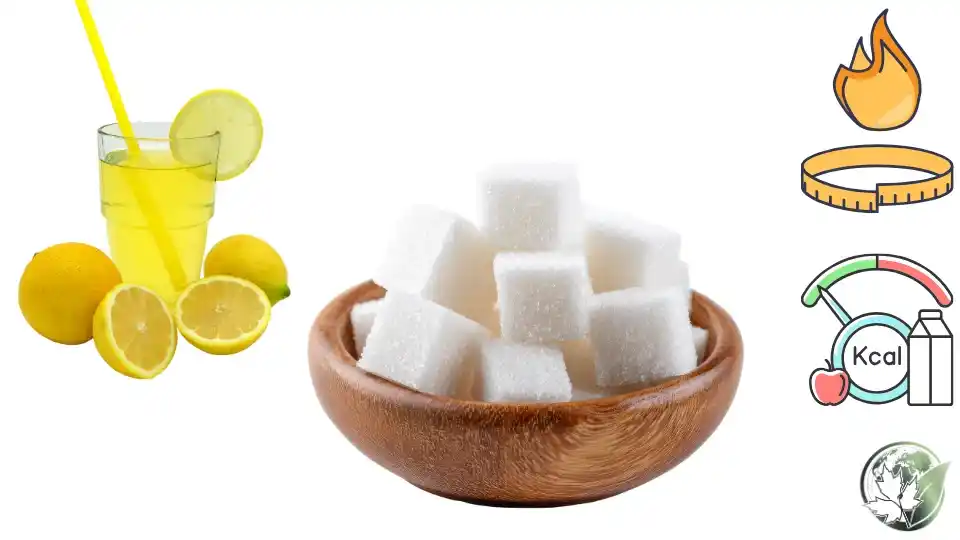
A glass of lemon water has only about 6 calories
Does Lemon Juice Raise Blood Sugar?
No. Lemon juice has a negligible amount of sugar and carbohydrate, and a glycemic index that is close to zero when used in small amounts. Some research suggests that adding acid, such as lemon juice or vinegar, to a high-carbohydrate meal can lower the post-meal blood glucose response by slowing stomach emptying and starch digestion. A squeeze of lemon on rice, bread or potatoes may modestly reduce the glycemic response, though the effect is small.
People with diabetes can use lemon juice freely as a flavoring in water, salads and cooking. The sugar-sweetened versions, such as lemonade, behave like any sweet drink and should be counted.
Is Lemon Water Good for Weight Loss?
Lemon water is a low calorie, refreshing drink, and it can help weight loss by replacing sweet drinks. Claims that lemon juice burns fat, detoxifies the body or dissolves belly fat are not supported by evidence. A glass of lemon water has about 6 calories and contributes to hydration.
| Daily swap | Calories before | Calories after | Saved per day | Saved per year |
|---|---|---|---|---|
| Cola to lemon water | 140 kcal | 6 kcal | 134 kcal | 48,900 kcal |
| Lemonade to lemon water | 100 kcal | 6 kcal | 94 kcal | 34,300 kcal |
| Tea with 2 sugar cubes to tea with lemon | 34 kcal | 8 kcal | 26 kcal | 9,500 kcal |
| Orange juice to lemon water | 112 kcal | 6 kcal | 106 kcal | 38,700 kcal |
| Sweet iced tea to unsweetened with lemon | 140 kcal | 6 kcal | 134 kcal | 48,900 kcal |
The benefit comes from the swap, not from the lemon itself.
How Much Vitamin C Does Lemon Juice Provide?
Lemon juice contains about 39 milligrams of vitamin C per 100 milliliters, a little less than orange juice at 50, but you get a lot from a squeeze. The juice of a whole lemon gives about 18 milligrams, about 20 percent of the daily value. Lemon juice also provides flavonoids, which are antioxidants. Heat and light destroy vitamin C, so fresh juice used soon after squeezing is best, and hot water above about 70 degrees reduces it somewhat.
| Juice | Calories per 100 ml | Vitamin C per 100 ml | Vitamin C per 100 kcal |
|---|---|---|---|
| Lemon juice | 22 kcal | 39 mg | 177 mg |
| Lime juice | 25 kcal | 29 mg | 116 mg |
| Orange juice | 45 kcal | 50 mg | 111 mg |
| Grapefruit juice | 39 kcal | 38 mg | 97 mg |
| Apple juice | 46 kcal | 1 mg | 2 mg |
| Cranberry juice | 46 kcal | 9 mg | 20 mg |
Per calorie, lemon juice provides more vitamin C than orange juice and far more than apple juice.
Is Lemon Juice Bad for Your Teeth?
Lemon juice is highly acidic, with a pH of about 2, and frequent exposure can erode tooth enamel. Sipping lemon water through the day is more harmful than drinking it quickly with a meal. Plain lemon water that is diluted is gentler but not entirely safe if you drink it often. Dentists suggest several habits: drink through a straw, rinse the mouth with plain water afterward, wait at least 30 minutes before brushing, and avoid holding lemon juice in the mouth.
Adding sugar to lemon juice increases the risk of decay since sugar feeds bacteria that produce more acid. Lemonade is thus doubly challenging for teeth, because of both acid and sugar.
How to Use Lemon Juice to Cut Sugar and Salt
Lemon juice is a flavor booster that can reduce the need for sugar, salt and fat. Here are some examples.
**Replace sugar in tea:** Squeeze a wedge into black or green tea, 1 calorie versus 16 for a cube.
**Dress salads:** Use lemon juice and a teaspoon of olive oil instead of creamy dressing. This saves about 70 calories per serving.
**Season vegetables and fish:** A squeeze at the end brightens flavors so you can use less salt.
**Marinate chicken:** Lemon juice tenderizes and adds flavor with almost no calories.
**Flavor water:** Add slices to a jug of water for a refreshing drink.
**Replace vinegar or sauces:** Lemon juice and herbs can stand in for mayonnaise-based dressings.
Lemon juice dresses a salad for about 3 calories per tablespoon
How to Choose, Store and Use Lemons for Juice
Choose lemons that feel heavy for their size with thin, smooth skin, since these are juicier. Roll the lemon on the counter before cutting to break the membranes. Room-temperature lemons give more juice than cold ones. Whole lemons keep for a week at room temperature and several weeks in the refrigerator. Fresh juice keeps in the refrigerator for two to three days, and can be frozen in ice cube trays for several months, with each cube having about 1 tablespoon and 3 calories. Bottled juice is convenient but may contain preservatives and have less vitamin C and a duller taste.
Freeze lemon juice in cubes, each with about 3 calories
How to Count Lemon Juice Calories Accurately
Count about 3 calories per tablespoon, or 10 per lemon. Count sugar, honey or syrup separately, using 16 calories per cube and 21 per teaspoon of honey. For lemonade, use the calories of the sweetener and divide by the number of servings. Ignore the squeeze of a wedge in your tea or fish.
What Is the Difference Between Fresh, Bottled and Concentrated Lemon Juice?
Lemon juice is sold in several forms, and the calories are very close when the product is 100 percent juice. Fresh-squeezed juice has about 22 calories per 100 milliliters. Bottled juice made from concentrate and reconstituted has about 20 to 25, and shelf-stable lemon juice often has added preservatives such as sulfites or sodium benzoate. Concentrated lemon juice, which has the water partly removed, has about 40 to 50 calories per 100 milliliters but is used in much smaller amounts.
Products labeled lemon juice drink, lemon cordial or lemon squash are different. They contain 5 to 30 percent lemon juice, plus sugar or sweeteners, water and flavoring. A concentrated cordial may have 130 to 200 calories per 100 milliliters before dilution, which gives about 30 to 40 calories in a diluted glass. Reading the label is the only reliable way to tell.
| Product | Serving | Calories | Sugar | Notes |
|---|---|---|---|---|
| Fresh lemon juice | 1 tbsp | 3 kcal | 0.4 g | Best flavor and vitamin C |
| Bottled lemon juice, 100 percent | 1 tbsp | 3 kcal | 0.4 g | May contain preservatives |
| Lemon juice concentrate | 1 tsp | 3 kcal | 0.5 g | Strong, very acidic |
| Lemon cordial, undiluted | 30 ml | 60 kcal | 14 g | Sweetened |
| Lemon cordial, diluted 1:5 | 180 ml | 60 kcal | 14 g | Sweetened |
| Sugar-free lemon squash | 200 ml | 4 kcal | 0 g | Sweeteners |
| Lemon juice powder | 1 tsp | 5 kcal | 0.5 g | Dry crystals |
| Preserved lemon (Persian limoo amani) | 1 piece | 15 kcal | 1 g | Salty |
Using fresh lemon juice gives the highest vitamin C, but bottled juice is a convenient and low-calorie option when you read the label and avoid sweetened drinks.
How Does Lemon Juice Compare With Vinegar and Other Acids for Cooking?
Lemon juice is one of several acids used to brighten food, and all of them are very low in calories. Vinegar has about 3 calories per tablespoon, lime juice has about 4, and orange juice has about 7. Each adds sourness and balances rich or sweet flavors. Lemon juice adds a fruity note and vitamin C, while vinegar has a stronger, sharper taste and no vitamin C. Using any of these in place of butter, cream or sugar saves calories.
| Acid or flavoring | Calories per tbsp | Notes |
|---|---|---|
| Lemon juice | 3 kcal | Bright, fruity |
| Lime juice | 4 kcal | Slightly bitter, tropical |
| White vinegar | 3 kcal | Sharp |
| Apple cider vinegar | 3 kcal | Mellow, fruity |
| Balsamic vinegar | 14 kcal | Sweet, contains sugar |
| Orange juice | 7 kcal | Sweet |
| Pomegranate molasses | 40 kcal | Sweet-sour, concentrated |
| Verjuice (ab-ghooreh) | 4 kcal | Sour juice of unripe grapes |
Balsamic vinegar and pomegranate molasses have more sugar and calories than lemon juice, so they are better used in small amounts. In many Persian dishes, lemon juice or verjuice provides the sourness, which makes the food bright without fat or sugar.
Can Lemon Juice Help in Cooking to Replace Salt?
A squeeze of lemon can make food taste saltier, because acidity enhances the perception of flavor in the same way that salt does. Chefs often add lemon juice at the end of cooking to lift a dish. If you are trying to cut sodium, try replacing a quarter to a half of the salt with lemon juice and zest, and add herbs. On vegetables, fish, chicken, rice and soup, this works well. The zest, the outer yellow peel, adds a lot of aroma with almost no calories, at about 1 calorie per teaspoon.
For dishes that need salt for structure, such as bread, this will not work, but for most everyday cooking, lemon is a simple tool to reduce sodium and keep flavor.
How to Make Lemonade With Less Sugar
A classic lemonade is easy to lighten. Start with the juice of four lemons, about 180 milliliters, and add about 1.2 liters of cold water. For sweetness, use two tablespoons of sugar or honey in place of the half cup typically used. That gives about 100 calories for the whole jug, or about 16 calories per glass of 250 milliliters instead of about 100. Taste, then add a little more sweetener a teaspoon at a time only if you need it. Add ice, fresh mint, cucumber or slices of lemon for flavor.
| Lemonade recipe (1.4 liters, about 5 glasses) | Sugar | Total calories | Calories per glass |
|---|---|---|---|
| Classic, 1/2 cup sugar | 100 g | 460 kcal | 92 kcal |
| Reduced, 1/4 cup sugar | 50 g | 270 kcal | 54 kcal |
| Light, 2 tbsp sugar | 25 g | 170 kcal | 34 kcal |
| With 2 tbsp honey | 42 g | 215 kcal | 43 kcal |
| With stevia, no sugar | 0 g | 45 kcal | 9 kcal |
| Sparkling with lemon only | 0 g | 45 kcal | 9 kcal |
If you want fizz, use sparkling water in place of still water. It has no calories and gives a soda-like experience. Frozen lemon slices work as ice cubes and add flavor as they melt.
How Much Lemon Juice Is Safe to Drink in a Day?
For most people, the juice of one or two lemons a day, diluted in water, is safe, supplying 10 to 20 calories and 18 to 36 milligrams of vitamin C. Drinking undiluted lemon juice regularly is not recommended, because of its acidity, which can irritate the throat and stomach and wear down tooth enamel. People with acid reflux, ulcers or sensitive stomachs may find that lemon juice makes their symptoms worse. People who take certain medicines should ask a pharmacist, though lemon juice has fewer interactions than grapefruit juice.
A sensible approach is to squeeze half a lemon into a glass of water, drink it with a meal through a straw and rinse the mouth with plain water. This gives the flavor and some vitamin C at a cost of about 6 calories, with minimal effect on teeth.
Does Lemon Juice Change How the Body Handles Sugar in Tea and Other Drinks?
When you squeeze lemon into tea, you may notice that the tea tastes less bitter and seems slightly sweeter, even though you have not added sugar. Acid changes how the tongue perceives flavor and tempers the astringency of tannins, so many people need less sugar in lemon tea than in plain black tea. A cup of black tea with a wedge of lemon has about 5 calories, while a cup with two sugar cubes has about 34. Over four cups a day, the difference is about 116 calories.
The squeeze of lemon also lightens the color of tea by changing the pH, which causes some tea pigments to shift. It has no effect on the caffeine. If you are cutting down on sugar, adding lemon, a cinnamon stick or a slice of ginger makes the transition easier, since the brain reads these flavors as more complex and satisfying.
Key Takeaways: Lemon Juice Calories vs Sugar Cube
Lemon juice has about 3 calories per tablespoon and 10 for a whole lemon, much fewer than a sugar cube at 16. It is a low-sugar way to add flavor and vitamin C. Calories come from added sugar in lemonade, so choose lemon water, sparkling water or small amounts of sweetener, and protect teeth by rinsing.
Frequently Asked Questions
6 questions answered
How many calories are in lemon juice?
About 3 per tablespoon and 22 per 100 milliliters.
How many calories are in the juice of one lemon?
About 10.
Does lemon juice have fewer calories than a sugar cube?
Yes. A tablespoon has about 3 against 16 for a cube.
How many calories are in lemonade?
About 100 per cup with sugar.
Does lemon water help you lose weight?
It can replace sweet drinks, but it does not burn fat.
Is lemon juice bad for teeth?
It is acidic, so rinse with water and do not sip it all day.