
How Many Calories Are in Flavored Milk vs Greek Yogurt? The Quick Answer
One cup (240 ml) of reduced-fat chocolate milk has about 208 calories, 8 grams of protein and 24 grams of sugar. One cup (245 grams) of plain nonfat Greek yogurt has about 130 calories, 23 grams of protein and 8 grams of sugar, and the same amount of plain whole-milk Greek yogurt has about 220 calories. Per 100 grams, flavored milk has around 83 calories and plain Greek yogurt between 59 (nonfat) and 97 (whole milk). Flavored milk is a drink and Greek yogurt is a thick, spoonable food, so the comparison is mostly about what you get for your calories.
Greek yogurt wins on protein and sugar, because it is strained to remove whey and lactose. Flavored milk wins on convenience, calcium per calorie when low in fat, and as a post-workout drink. This guide compares calories per cup, per 100 grams and per bottle, protein, sugar, calcium and vitamins, and shows how to choose between them, with three comparison tables and an FAQ.

A cup of flavored milk has 24 grams of sugar, three times that of plain Greek yogurt
How Many Calories Are in Flavored Milk?
| Flavored milk | Serving | Calories | Protein | Sugar |
|---|---|---|---|---|
| Chocolate milk, whole | 1 cup (250 ml) | 226 kcal | 8 g | 25 g |
| Chocolate milk, reduced-fat (2%) | 1 cup (250 ml) | 208 kcal | 8 g | 24 g |
| Chocolate milk, low-fat (1%) | 1 cup (250 ml) | 178 kcal | 8 g | 25 g |
| Strawberry milk, low-fat | 1 cup (250 ml) | 190 kcal | 8 g | 26 g |
| Vanilla milk, low-fat | 1 cup (250 ml) | 175 kcal | 8 g | 22 g |
| Banana milk | 1 cup (250 ml) | 180 kcal | 7 g | 24 g |
| Small carton | 200 ml | 166 kcal | 6.4 g | 20 g |
| Bottle (500 ml) | 500 ml | 415 kcal | 16 g | 49 g |
| Per 100 ml (low-fat) | 100 ml | 71 kcal | 3.2 g | 10 g |
| Per 100 ml (whole) | 100 ml | 90 kcal | 3.2 g | 10 g |
How Many Calories Are in Greek Yogurt?
| Greek yogurt (plain) | Serving | Calories | Protein | Sugar |
|---|---|---|---|---|
| Nonfat | 1 cup (245 g) | 130 kcal | 23 g | 8 g |
| Low-fat (2%) | 1 cup (245 g) | 180 kcal | 20 g | 9 g |
| Whole milk | 1 cup (245 g) | 220 kcal | 20 g | 9 g |
| Small pot (150 g), nonfat | 150 g | 88 kcal | 15 g | 5 g |
| Small pot (150 g), whole | 150 g | 150 kcal | 13 g | 5 g |
| Per 100 g, nonfat | 100 g | 59 kcal | 10 g | 3.2 g |
| Per 100 g, whole | 100 g | 97 kcal | 9 g | 4 g |
| Flavored (fruit), low-fat | 150 g | 150 kcal | 12 g | 18 g |
| Honey Greek yogurt | 150 g | 180 kcal | 11 g | 20 g |
Flavored Milk vs Greek Yogurt: Calories Compared
| Amount | Flavored milk (low-fat chocolate) | Greek yogurt (plain nonfat) | Greek yogurt (plain whole) |
|---|---|---|---|
| 100 g | 71 kcal | 59 kcal | 97 kcal |
| 150 g | 107 kcal | 88 kcal | 146 kcal |
| 1 cup | 178-208 kcal | 130 kcal | 220 kcal |
| 200 g | 142 kcal | 118 kcal | 194 kcal |
| 100 kcal | 140 g | 170 g | 103 g |
| Protein per 100 kcal | 4.5 g | 17 g | 9.3 g |
| Sugar per 100 kcal | 14 g | 5.4 g | 4.1 g |
Per cup, flavored milk lands between nonfat and whole-milk Greek yogurt. But on protein and sugar the yogurt is far ahead: 17 grams of protein per 100 calories for nonfat yogurt against 4.5 for flavored milk, and 5 grams of sugar against 14.
Flavored Milk vs Greek Yogurt: Nutrition Compared
| Per cup | Chocolate milk (2%) | Greek yogurt, nonfat plain | Greek yogurt, whole plain |
|---|---|---|---|
| Calories | 208 kcal | 130 kcal | 220 kcal |
| Protein | 8 g | 23 g | 20 g |
| Total sugar | 24 g | 8 g | 9 g |
| Added sugar | 11 g | 0 g | 0 g |
| Fat | 5 g | 0.7 g | 11 g |
| Calcium | 290 mg | 250 mg | 235 mg |
| Potassium | 420 mg | 380 mg | 330 mg |
| Vitamin D | 2.5 mcg | 0 mcg | 0 mcg |
| Sodium | 150 mg | 85 mg | 80 mg |
| Probiotics | No | Yes | Yes |
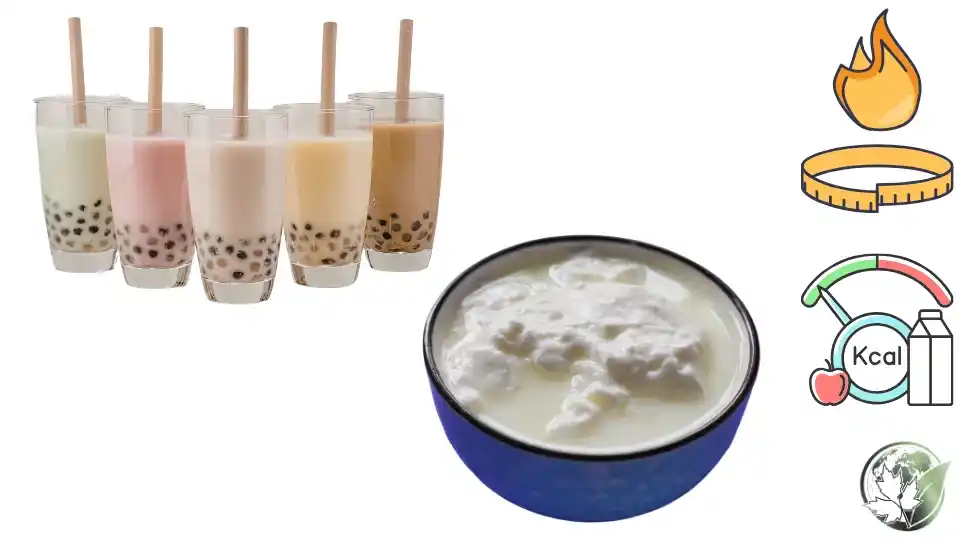
Greek yogurt has nearly three times the protein of flavored milk per cup
Which Has More Calories: Flavored Milk or Greek Yogurt?
It depends on the type of yogurt. A cup of flavored milk (about 208 calories) has more than nonfat Greek yogurt (130) and slightly fewer than whole-milk Greek yogurt (220). If you drink a 500 ml bottle you consume 415 calories, which is more than a large pot of yogurt. When comparing food for satiety, the yogurt's higher protein and thicker texture keep you full longer per calorie.
| Comparison | Calories | Verdict |
|---|---|---|
| 1 cup chocolate milk vs nonfat Greek yogurt | 208 vs 130 | Yogurt lower |
| 1 cup chocolate milk vs whole Greek yogurt | 208 vs 220 | About equal |
| 100 g, low-fat flavored milk vs nonfat yogurt | 71 vs 59 | Yogurt lower |
| Protein per cup | 8 g vs 23 g | Yogurt higher |
| Sugar per cup | 24 g vs 8 g | Yogurt lower |
| Calcium per cup | 290 mg vs 250 mg | Milk slightly higher |
Why Does Flavored Milk Have So Much Sugar?
Plain milk already contains about 12 grams of lactose per cup. Flavored milk adds 10 to 14 grams of sugar or syrup, plus cocoa or fruit flavoring, to bring the total to 24 to 26 grams, equal to six cubes of sugar. Greek yogurt is strained, which removes much of the lactose-containing whey, leaving 4 to 9 grams of natural sugar per cup if plain. Fruit-flavored Greek yogurts, however, can add 10 to 14 grams of sugar and approach the sugar levels of flavored milk.
| Drink or food (1 cup) | Natural sugar | Added sugar | Total |
|---|---|---|---|
| Plain milk | 12 g | 0 g | 12 g |
| Chocolate milk | 12 g | 12 g | 24 g |
| Strawberry milk | 12 g | 14 g | 26 g |
| Plain Greek yogurt | 8 g | 0 g | 8 g |
| Fruit Greek yogurt (1 cup) | 8 g | 18 g | 26 g |
| Honey Greek yogurt | 8 g | 20 g | 28 g |
Is Greek Yogurt Healthier Than Flavored Milk?
For most people trying to eat more protein and less sugar, plain Greek yogurt is the stronger choice. It supplies three times the protein, a third of the sugar and live cultures that support gut health. Flavored milk, however, is not unhealthy when used appropriately. It delivers calcium, vitamin D, potassium and high-quality protein, and the carbohydrate and protein ratio of about 3:1 makes chocolate milk a popular recovery drink after endurance exercise. For children who refuse plain milk, a low-fat flavored version may still be better than skipping dairy.
| Factor | Flavored milk | Greek yogurt (plain) |
|---|---|---|
| Protein | Moderate | High |
| Added sugar | Yes | None |
| Probiotics | No | Yes |
| Vitamin D | Often fortified | Rarely |
| Post-workout use | Good | Good |
| Satiety | Moderate | High |
| Convenience | Very high | High |
Which Is Better for Weight Loss?
Greek yogurt, especially nonfat plain, is usually better. Its 23 grams of protein per cup increases fullness, and its 130 calories leave room in the day. A cup of flavored milk has 24 grams of sugar and 8 grams of protein, so it is less filling and it is easy to drink more. A person drinking two 500 ml bottles of flavored milk a day takes in over 800 calories and nearly 100 grams of sugar, far above recommended limits.
| Choice | Calories | Protein | Fullness |
|---|---|---|---|
| 1 cup nonfat Greek yogurt | 130 kcal | 23 g | High |
| 1 cup Greek yogurt with berries (50 g) | 155 kcal | 24 g | High |
| 1 cup chocolate milk | 208 kcal | 8 g | Moderate |
| 500 ml chocolate milk | 415 kcal | 16 g | Moderate |
| 1 cup plain low-fat milk | 105 kcal | 8 g | Moderate |
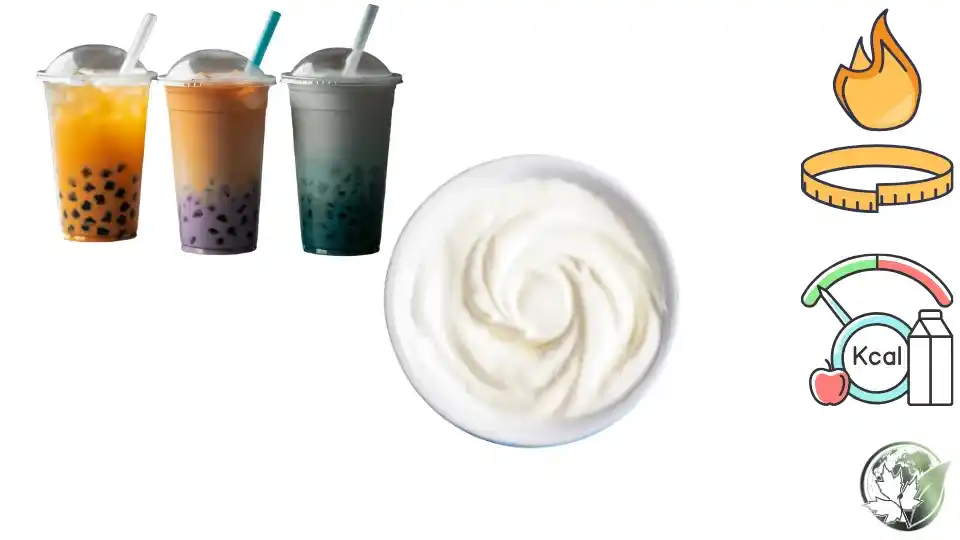
Plain Greek yogurt with fruit gives sweetness with far less sugar than flavored milk
Which Is Better After a Workout?
Both can work. Research on chocolate milk suggests that its roughly 3:1 or 4:1 carbohydrate to protein ratio helps replenish glycogen and repair muscle, and it also provides fluid and sodium. Greek yogurt supplies more protein for muscle repair but less carbohydrate, so pairing it with fruit or honey restores balance. After a long run or ride, chocolate milk is practical and portable. After strength training, Greek yogurt with banana or granola is an excellent option.
| Post-workout choice | Calories | Carbohydrate | Protein |
|---|---|---|---|
| 1 cup chocolate milk | 208 kcal | 32 g | 8 g |
| 500 ml chocolate milk | 415 kcal | 64 g | 16 g |
| 1 cup Greek yogurt + banana | 235 kcal | 36 g | 24 g |
| 1 cup Greek yogurt + 1 tbsp honey | 195 kcal | 26 g | 23 g |
| Protein shake with milk | 250 kcal | 20 g | 30 g |
How Can You Make Flavored Milk Healthier?
Make your own by stirring one teaspoon of unsweetened cocoa and one teaspoon of sugar or honey into a cup of low-fat milk. This gives about 125 calories and 14 grams of sugar, almost half the sugar of commercial chocolate milk. Mash a few strawberries or half a banana into milk for natural fruit flavor. For a thicker drink with more protein, blend half a cup of Greek yogurt into the milk with cocoa. Choose low-fat versions when you want fewer calories, and check labels for added sugar per serving.
| Homemade version | Ingredients | Calories | Sugar |
|---|---|---|---|
| Light chocolate milk | 1 cup low-fat milk, 1 tsp cocoa, 1 tsp sugar | 125 kcal | 16 g |
| Strawberry milk | 1 cup milk, 4 strawberries | 125 kcal | 15 g |
| Banana milk | 1 cup milk, 1/2 banana | 160 kcal | 20 g |
| High-protein chocolate | 3/4 cup milk, 1/4 cup Greek yogurt, cocoa | 140 kcal | 13 g |
How Do Different Flavored Milk Brands and Types Compare?
Flavored milk is not one product. Ready-to-drink bottles, cartons for children, cafe-style milk drinks and plant-based chocolate drinks differ in calories and sugar. Whole-milk chocolate drinks are creamier but carry 226 calories per cup, while low-fat versions drop to about 178. School cartons are often reduced in sugar, with 150 calories per 240 ml. Plant-based chocolate drinks made from oats or soy vary widely, from 120 to 190 calories per cup, and most contain less protein than dairy except for soy. Always compare per 100 ml and read the added sugar line rather than the front label.
| Type | Serving | Calories | Protein | Sugar |
|---|---|---|---|---|
| Whole chocolate milk | 250 ml | 226 kcal | 8 g | 25 g |
| Low-fat chocolate milk | 250 ml | 178 kcal | 8 g | 25 g |
| School carton (reduced sugar) | 240 ml | 150 kcal | 8 g | 17 g |
| Soy chocolate drink | 250 ml | 140 kcal | 7 g | 17 g |
| Oat chocolate drink | 250 ml | 155 kcal | 3 g | 17 g |
| Almond chocolate drink | 250 ml | 100 kcal | 1 g | 14 g |
| Cafe-style iced coffee milk | 250 ml | 185 kcal | 7 g | 23 g |
How Do Flavored Greek Yogurts Compare With Plain?
Plain Greek yogurt is the benchmark, but most supermarkets sell fruit, honey, vanilla and dessert-style versions. A 150 gram fruit pot has about 150 calories, 12 grams of protein and 18 grams of sugar, and a dessert-style pot with a cookie or caramel topping can reach 230 calories and 24 grams of sugar. The protein is still higher than in flavored milk per calorie, but the sugar advantage shrinks. Buying plain yogurt and adding your own fruit, a teaspoon of honey or a spoon of jam keeps added sugar under your control.
| Yogurt type (150 g) | Calories | Protein | Sugar |
|---|---|---|---|
| Plain nonfat | 88 kcal | 15 g | 5 g |
| Plain whole milk | 150 kcal | 13 g | 5 g |
| Fruit, low-fat | 150 kcal | 12 g | 18 g |
| Honey, whole | 180 kcal | 11 g | 20 g |
| Vanilla, low-fat | 140 kcal | 12 g | 16 g |
| Dessert style with topping | 230 kcal | 9 g | 24 g |
| Plain + 1 tsp honey + berries | 125 kcal | 15 g | 13 g |
How Much Calcium and Vitamin D Do They Provide?
Both foods are good calcium sources. A cup of chocolate milk gives around 290 milligrams of calcium, about 22 percent of the daily value, and a cup of Greek yogurt gives 235 to 250 milligrams. Greek yogurt contains slightly less calcium than regular yogurt, since straining removes some of the whey. Most milk in many countries is fortified with vitamin D, so a cup supplies about 2.5 micrograms, or 12 percent of the daily value, whereas yogurt is only sometimes fortified. If you rely on dairy for bone health, a mix of both foods is ideal.
| Nutrient (1 cup) | Chocolate milk | Greek yogurt, nonfat | Daily value (adults) |
|---|---|---|---|
| Calcium | 290 mg | 250 mg | 1,000-1,300 mg |
| Vitamin D | 2.5 mcg | 0-1 mcg | 15-20 mcg |
| Potassium | 420 mg | 380 mg | 3,400 mg |
| Phosphorus | 255 mg | 330 mg | 700 mg |
| Vitamin B12 | 1.2 mcg | 1.3 mcg | 2.4 mcg |
| Magnesium | 33 mg | 25 mg | 400 mg |
What About Lactose Intolerance?
Flavored milk contains about 12 grams of lactose per cup, which can cause bloating or diarrhea in people with lactose intolerance. Greek yogurt contains less lactose, roughly 4 to 8 grams per cup, because straining removes whey and live cultures help break down the rest, so many lactose-sensitive people tolerate it. Lactose-free flavored milk is also available, with the same calories but with the lactose already broken down. Plant-based flavored drinks are an alternative, though they vary in protein and calcium unless fortified.
| Product | Lactose per cup | Tolerance |
|---|---|---|
| Flavored milk | 12 g | Poor for lactose intolerance |
| Lactose-free flavored milk | Under 0.5 g | Good |
| Greek yogurt, plain | 4-8 g | Often tolerated |
| Regular yogurt | 9-12 g | Mixed |
| Soy chocolate drink | 0 g | Good |
How Should Children Choose Between Them?
Children aged 4 to 8 need about 2.5 cups of dairy a day. Flavored milk helps some children reach this target, but a cup adds 11 to 14 grams of added sugar, nearly half of the 25 gram daily limit. Plain Greek yogurt with fruit and a drizzle of honey offers more protein and less sugar, though some children dislike the sour taste. A compromise is half plain milk and half flavored milk, or a small 150 millilitre portion of flavored milk on active days. Yogurt tubes and desserts often have more sugar than their packaging suggests, so check the label.
| Child's snack | Calories | Added sugar | Protein |
|---|---|---|---|
| 1 cup chocolate milk | 208 kcal | 11 g | 8 g |
| Half plain, half chocolate milk | 155 kcal | 5.5 g | 8 g |
| 150 g plain Greek yogurt + fruit | 120 kcal | 0 g | 15 g |
| 1 yogurt tube (60 g) | 60 kcal | 6 g | 2 g |
| 1 cup plain low-fat milk | 105 kcal | 0 g | 8 g |
How Can You Fit Each One Into a Daily Calorie Budget?
On a 2,000 calorie day, a cup of chocolate milk uses about 10 percent of your energy and 24 grams of sugar, while a cup of nonfat Greek yogurt uses 6.5 percent and 8 grams. If you drink flavored milk every day with breakfast, swapping it for yogurt saves around 78 calories and 16 grams of sugar, which over a year is roughly 28,000 calories. That is not a diet plan by itself, but it shows how small repeated choices accumulate. If you love flavored milk, keep it as your one sweet drink of the day and skip soda or juice.
| Daily habit | Calories per day | Sugar per day | Per year |
|---|---|---|---|
| 1 cup chocolate milk | 208 kcal | 24 g | 75,900 kcal |
| 1 cup nonfat Greek yogurt | 130 kcal | 8 g | 47,450 kcal |
| 1 cup whole Greek yogurt | 220 kcal | 9 g | 80,300 kcal |
| Half chocolate, half plain milk | 155 kcal | 18 g | 56,600 kcal |
| 500 ml chocolate milk | 415 kcal | 49 g | 151,500 kcal |
What Are Good Ways to Combine Milk and Yogurt?
Blend Greek yogurt with milk and fruit for a smoothie that has the creamy texture of a milkshake with more protein and less sugar. A cup of low-fat milk, half a cup of nonfat Greek yogurt and a banana makes a 280 calorie smoothie with 20 grams of protein. For a dessert-like option, stir cocoa and a little honey into plain Greek yogurt to create a chocolate pudding with 150 calories and 17 grams of protein per cup. These combinations capture the flavor people want from flavored milk while using the protein of yogurt.
| Recipe | Ingredients | Calories | Protein | Sugar |
|---|---|---|---|---|
| Berry smoothie | 1 cup milk, 1/2 cup yogurt, 1/2 cup berries | 230 kcal | 17 g | 25 g |
| Banana smoothie | 1 cup milk, 1/2 cup yogurt, 1 banana | 280 kcal | 20 g | 33 g |
| Chocolate yogurt pudding | 1 cup yogurt, 1 tbsp cocoa, 1 tsp honey | 160 kcal | 23 g | 12 g |
| Lassi | 1/2 cup yogurt, 1/2 cup milk, ice | 130 kcal | 12 g | 12 g |
| Overnight oats | 1/2 cup oats, 1/2 cup milk, 1/4 cup yogurt | 240 kcal | 14 g | 10 g |
Are There Any Risks to Consider?
Drinking large amounts of flavored milk can push added sugar above recommended limits, contribute to weight gain, and increase dental decay risk, especially in children who sip it throughout the day. People with milk allergy must avoid both foods, and those with lactose intolerance should choose lactose-free products or yogurt. Some flavored yogurts include sweeteners or thickeners that may bother sensitive people. Flavored milk also often contains carrageenan or other stabilizers, harmless for most people but disliked by some. Choose products with short ingredient lists.
| Concern | Flavored milk | Greek yogurt |
|---|---|---|
| Added sugar | High | None in plain, high in flavored |
| Lactose | High | Lower |
| Allergy | Milk protein | Milk protein |
| Stabilizers | Often | Sometimes |
| Dental risk | Higher if sipped | Lower |
How Do You Choose at the Supermarket?
Pick plain Greek yogurt with only milk and live cultures on the label, and add your own fruit. For flavored milk, choose products with under 12 grams of sugar per 250 millilitres or the low-fat versions with the lowest added sugar. Check protein per serving: Greek yogurt should have at least 10 grams per 100 grams. Compare unit prices as well, because Greek yogurt costs more per serving but delivers more protein per dollar than flavored milk in most markets.
| Label check | Flavored milk target | Greek yogurt target |
|---|---|---|
| Sugar | Under 12 g per 250 ml | Under 5 g per 100 g |
| Protein | 8 g per cup | 10 g per 100 g |
| Fat | Low-fat for fewer calories | Choose by goal |
| Ingredients | Milk, cocoa, sugar | Milk, cultures |
| Calories | Under 180 per cup | 60-100 per 100 g |
Key Takeaways: Flavored Milk vs Greek Yogurt Calories
Flavored milk has about 208 calories per cup and Greek yogurt 130 (nonfat) to 220 (whole), but yogurt delivers about three times the protein and a third of the sugar. Choose plain Greek yogurt for fullness and weight control, and use low-fat flavored milk as an occasional recovery drink or for children who need dairy.
Frequently Asked Questions
6 questions answered
Does flavored milk have more calories than Greek yogurt?
More than nonfat yogurt (208 vs 130 per cup), similar to whole.
How much sugar is in chocolate milk?
About 24 grams per cup, 11 grams added.
Which has more protein?
Greek yogurt, 23 grams against 8 per cup.
Is chocolate milk good after exercise?
Yes, its carbohydrate to protein ratio suits recovery.
Is flavored Greek yogurt as sugary as flavored milk?
Fruit versions can be, with 18 to 26 grams per cup.
Which is better for weight loss?
Plain nonfat Greek yogurt.