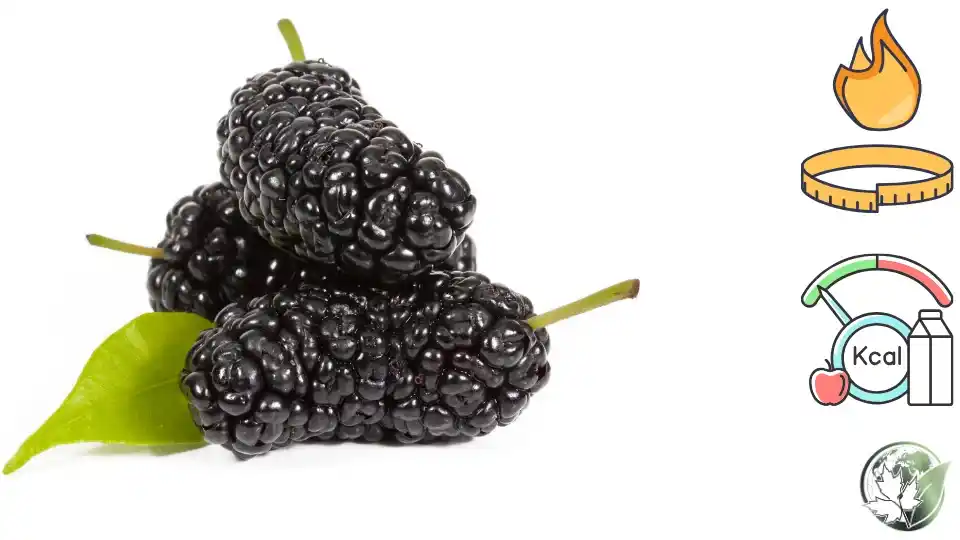
How Many Calories Are in Dried Mulberries? The Quick Answer
Dried mulberries have about 325 calories per 100 grams. A small handful of 30 grams, which is about two tablespoons, has roughly 98 calories, and one cup (about 140 g) has about 455. A single dried mulberry weighs around one gram, so each berry has about 3 calories. Fresh mulberries, by contrast, contain only about 43 calories per 100 grams, because drying removes most of the water and concentrates the sugars and nutrients.
Raisins are the most common dried fruit and the natural point of comparison. One hundred grams of raisins has about 299 calories, so dried mulberries are about 9 percent higher per gram. A small box of raisins (43 g) has about 129 calories, while the same weight of dried mulberries has about 140. The difference is small, and what matters more is how much you eat and what else each fruit provides. Dried mulberries are notably higher in fiber, iron and protein than raisins, which gives them a nutritional edge for the same energy.
In this guide you will find the calories in dried mulberries by the berry, spoonful, handful and cup, how they compare with raisins and fresh mulberries and what their sugar, fiber, iron and vitamin content looks like. You will also learn how to choose unsweetened dried mulberries, how to use them in snacks and recipes and how to fit them into a calorie-aware diet. Three comparison tables and a full FAQ are included.
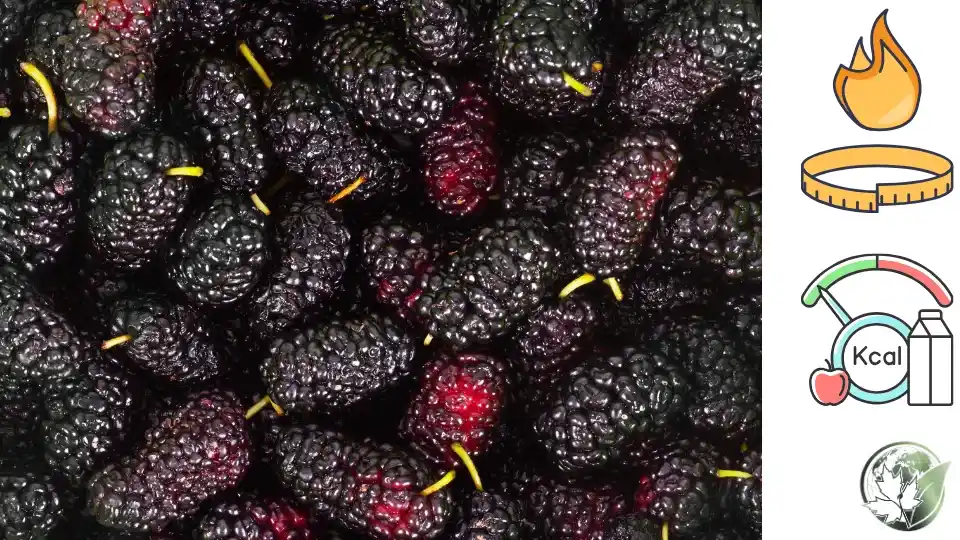
A handful of 30 grams of dried mulberries has about 98 calories
How Many Calories Are in a Handful, Spoonful or Cup of Dried Mulberries?
Dried fruit is easy to over-eat because it is small, sweet and chewy. Measuring by weight is the most accurate way, and the table below converts common portions.
| Portion | Weight | Calories | Sugar | Fiber |
|---|---|---|---|---|
| 1 dried mulberry | 1 g | 3 kcal | 0.5 g | 0.1 g |
| 1 tablespoon | 9 g | 29 kcal | 5 g | 0.9 g |
| 2 tablespoons (small handful) | 18 g | 59 kcal | 10 g | 1.8 g |
| 1 ounce (large handful) | 28 g | 91 kcal | 15.5 g | 2.7 g |
| 1/4 cup | 35 g | 114 kcal | 19 g | 3.4 g |
| 1/2 cup | 70 g | 228 kcal | 38 g | 6.9 g |
| 1 cup | 140 g | 455 kcal | 77 g | 13.7 g |
| 100 g | 100 g | 325 kcal | 55 g | 9.8 g |
A bag of 200 grams contains about 650 calories, so a daily portion of 25 to 30 grams is a reasonable limit if you are watching your intake. Dried mulberries are sweet enough that a small amount satisfies a craving for sugar.
How Many Calories Are in Fresh vs Dried Mulberries?
Drying removes about 80 percent of the water, which explains the large difference in calories per gram. Fresh mulberries are mostly water, while dried ones are a concentrated food.
| Form | Per 100 g | Per cup | Water content |
|---|---|---|---|
| Fresh mulberries | 43 kcal | 60 kcal (140 g) | 88 percent |
| Dried mulberries | 325 kcal | 455 kcal (140 g) | 15 to 20 percent |
| Mulberry jam | 250 kcal | 50 kcal per tbsp | 30 percent |
| Mulberry juice | 40 kcal | 96 kcal per 240 ml | 90 percent |
| Mulberry molasses (shireh) | 290 kcal | 60 kcal per tbsp | 25 percent |
| Mulberry leather | 300 kcal | 90 kcal per piece | 20 percent |
Gram for gram, dried mulberries have about 7.5 times the calories of fresh ones. A cup of fresh mulberries has 60 calories, while the same volume of dried has 455. That does not make dried mulberries a bad choice, but it does mean they should be treated as a concentrated snack rather than a free fruit.
Dried Mulberries vs Raisins: Calories and Nutrition Compared
Both are dried fruits with similar sweetness and chewiness, but their nutrient profiles differ. Dried mulberries come from the fruit of the Morus tree, while raisins are dried grapes.
| Per 100 g | Dried mulberries | Raisins |
|---|---|---|
| Calories | 325 kcal | 299 kcal |
| Carbohydrate | 70 g | 79 g |
| Sugar | 55 g | 59 g |
| Fiber | 9.8 g | 3.7 g |
| Protein | 12 g | 3.1 g |
| Fat | 2.7 g | 0.5 g |
| Iron | 4.2 mg | 1.9 mg |
| Calcium | 275 mg | 50 mg |
| Potassium | 1,000 mg | 749 mg |
| Vitamin C | 10 mg | 2.3 mg |
| Per 30 g handful | Dried mulberries | Raisins |
|---|---|---|
| Calories | 98 kcal | 90 kcal |
| Sugar | 16.5 g | 17.7 g |
| Fiber | 2.9 g | 1.1 g |
| Protein | 3.6 g | 0.9 g |
| Iron | 1.3 mg | 0.6 mg |
Dried mulberries have about 9 percent more calories, but nearly three times the fiber, four times the protein and about twice the iron of raisins. Per 30 gram portion they contain slightly less sugar. For a similar amount of energy, mulberries are the more nutritious option, though the figures vary by variety and brand, so check the label.
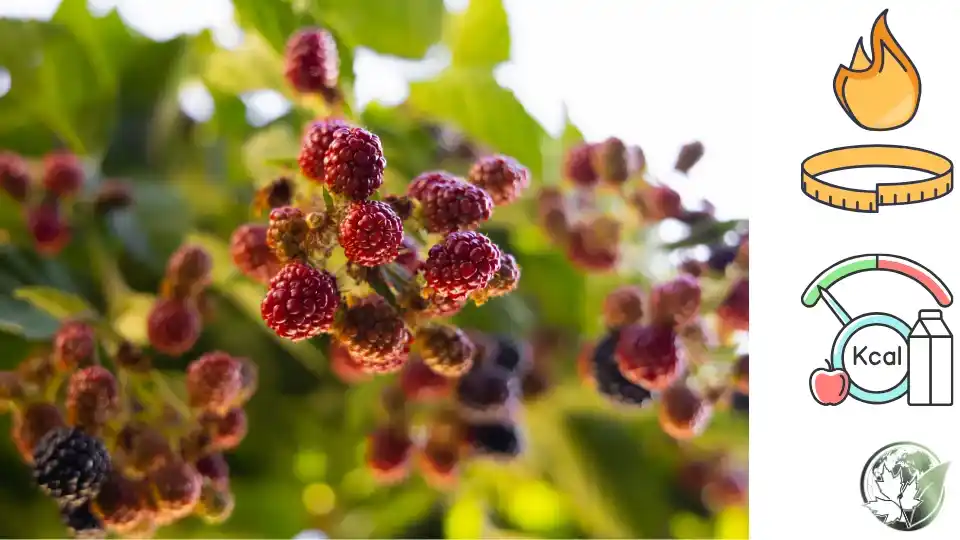
Dried mulberries and raisins have similar calories, but mulberries have more fiber, protein and iron
How Do Dried Mulberries Compare With Other Dried Fruits?
To put the numbers in context, here is how dried mulberries rank among common dried fruits.
| Dried fruit (100 g) | Calories | Sugar | Fiber |
|---|---|---|---|
| Dried mulberries | 325 kcal | 55 g | 9.8 g |
| Raisins | 299 kcal | 59 g | 3.7 g |
| Dried apricots | 241 kcal | 53 g | 7.3 g |
| Prunes (dried plums) | 240 kcal | 38 g | 7.1 g |
| Dried figs | 249 kcal | 48 g | 9.8 g |
| Dates, Medjool | 277 kcal | 66 g | 6.7 g |
| Dried cranberries, sweetened | 308 kcal | 65 g | 5.7 g |
| Dried mango | 319 kcal | 66 g | 2.4 g |
| Dried banana chips | 519 kcal | 35 g | 7.7 g |
Dried mulberries are among the higher calorie dried fruits, but they also have the highest fiber content of the group, shared only by figs. Prunes and dried apricots are lower in calories, so they may suit people who want a lighter snack.
What Nutrients Do Dried Mulberries Provide?
Dried white mulberries have been used in traditional foods across Central Asia, the Middle East and China, and they are valued for their nutritional density. A 30 gram portion provides:
Fiber: about 2.9 grams, or 10 percent of the daily value
Protein: about 3.6 grams, unusual for fruit
Iron: about 1.3 milligrams, around 7 percent of the daily value
Calcium: about 80 milligrams, around 6 percent of the daily value
Potassium: about 300 milligrams
Vitamin C: small amounts that decline with drying
Antioxidants: flavonoids, anthocyanins in red and black types, and resveratrol
Dried black mulberries are richer in anthocyanins, the pigments associated with cardiovascular and anti-inflammatory effects. White mulberries contain 1-deoxynojirimycin, a compound under study for its ability to slow carbohydrate digestion, though the amounts in a normal snack are small, and mulberries should not be used as a replacement for diabetes treatment.
How Do Dried Mulberries Affect Blood Sugar?
Dried mulberries contain about 55 grams of sugar per 100 grams, mostly glucose and fructose, so they raise blood sugar. Their fiber slows absorption, and the glycemic index is estimated at around 40 to 55, a low to moderate level. Raisins have a similar glycemic index of about 49 to 64.
For people with diabetes, a 15 to 20 gram portion with nuts or yogurt is a safer approach than a large handful. The protein and fat in nuts slow digestion and blunt the sugar peak. Always count dried fruit carbohydrates in your meal plan and monitor your response.
Are Dried Mulberries Good for Weight Loss?
Dried mulberries are not a low calorie food, but they can fit into a weight loss plan when portioned. Their fiber and protein make them more filling than raisins or candy of similar calories. A 30 gram portion of 98 calories with plain yogurt makes a snack of about 150 calories that is high in protein and calcium.
The risk is eating directly from the bag. A 100 gram pile has 325 calories, about the same as a small meal. If you struggle with portions, pre-measure handfuls into small bags or mix a small amount of mulberries with unsalted nuts so that the sweetness is spread out.
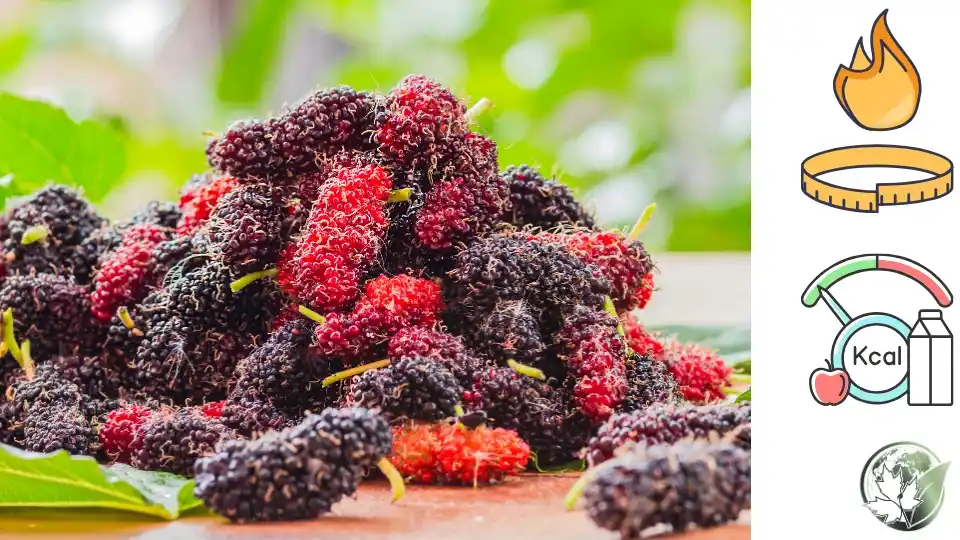
Dried mulberries add fiber and sweetness to yogurt for about 30 calories per tablespoon
How to Choose the Best Dried Mulberries
Quality varies a lot. Look at the following points when you buy.
**Ingredients:** Pure mulberries with no added sugar, syrup or sulfites.
**Color:** White mulberries should be pale beige to golden, and black mulberries dark purple. Very white and shiny berries may have been treated with sulfur dioxide.
**Texture:** Slightly soft and chewy, not rock hard or sticky.
**Smell:** A mild fruity aroma, not sour or musty.
**Packaging:** Sealed, with a production date and without moisture droplets inside.
Sweetened dried mulberries or those coated in oil or sugar can have 350 to 400 calories per 100 grams. Always read the label, since "naturally sweet" does not mean there is no added sugar.
How to Eat Dried Mulberries
Dried mulberries are versatile. You can eat them plain as a snack, mix them with almonds and walnuts for a trail mix, add them to oatmeal, yogurt or granola, bake them into muffins and cookies in place of raisins or blend them into smoothies after soaking for ten minutes. In savory dishes, they work with rice pilaf, salads and grain bowls, adding sweetness and chew.
A simple trail mix of 15 grams of mulberries, 15 grams of almonds and 10 grams of walnuts has about 195 calories and offers fiber, protein and healthy fats. Soaked mulberries are softer and plumper, and soaking in warm water for 15 minutes also makes them easier to digest for people with sensitive stomachs.
How to Store Dried Mulberries
Keep them in an airtight container in a cool, dark place, where they stay fresh for six to twelve months. In hot climates or humid kitchens, the refrigerator extends their life and prevents clumping. Freezing is also possible and keeps quality for up to two years. Discard berries that develop mold, an off smell or sticky wet spots.
For importers and retailers, humidity control and moisture content are the key quality markers. Properly dried mulberries have 15 to 20 percent moisture, which keeps them soft without allowing mold. Bulk packaging in food grade bags with barrier film protects from moisture and insects.
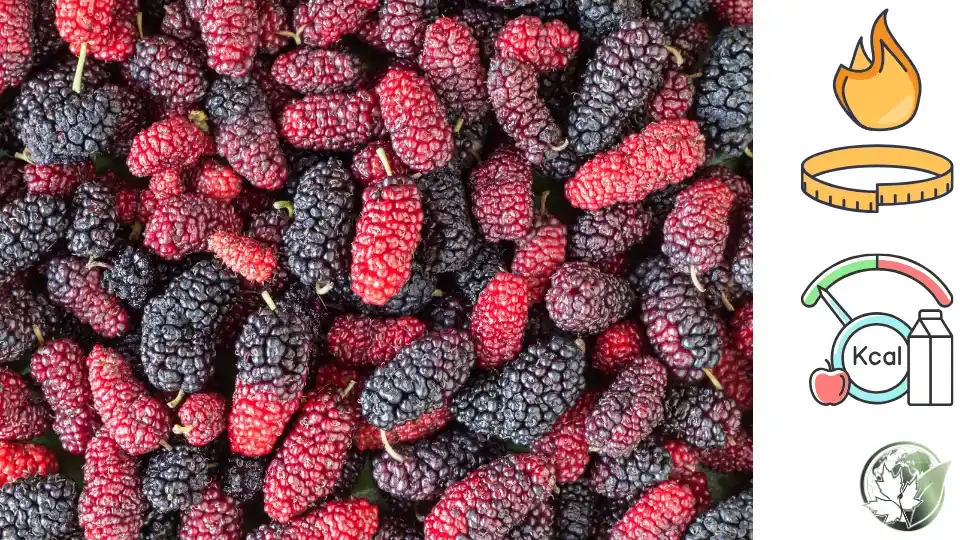
Dried mulberries keep for six to twelve months in an airtight jar
How Many Dried Mulberries Can You Eat in a Day?
A reasonable portion is 20 to 30 grams a day, about two tablespoons, which gives 65 to 98 calories. This amount supplies fiber and iron without too much sugar. Eating large amounts can cause digestive discomfort because of the fiber and sugar alcohol-like effects of concentrated fruit sugars, including loose stools and gas. Introduce them gradually, drink water and avoid eating a large bag at once.
Children can enjoy small portions of 10 to 15 grams, ideally soaked or chopped to prevent choking in younger kids. As with all dried fruit, brush teeth afterward or drink water, because the sticky sugar clings to teeth.
How Do You Count Dried Mulberry Calories in Recipes?
Weigh the mulberries dry and multiply by 3.25 to estimate calories. For example, 50 grams in a granola recipe contributes about 163 calories. If you soak them, the weight increases from water but calories do not change, so measure before soaking. In a trail mix, add the calories of each ingredient and divide the total by the number of servings. Use a kitchen scale for accuracy, because a spoon of dried berries can vary by 30 percent depending on how tightly it is packed.
Why Does Drying Increase Calories per Gram?
Drying does not create calories. A fresh mulberry and the dried mulberry made from it contain the same sugars, fiber and protein. What changes is the water. Fresh mulberries are about 88 percent water, and dried ones are only 15 to 20 percent water, so each gram of dried fruit holds about five to six times more fruit solids than a gram of fresh fruit. Since water has zero calories, removing it raises the calories per gram from 43 to 325.
This is the key to estimating any dried fruit. A handful of dried mulberries represents a much larger amount of fresh fruit, perhaps 120 grams, which is more than most people would eat in one sitting. The dried form is easier to overeat because it is small and chewy, and it takes little stomach volume. A good habit is to think of 30 grams of dried fruit as one serving of fruit, equal to about one cup of the fresh fruit.
How Do Mulberries Compare With Other Berries?
Fresh berries are far lighter in calories, and mulberries are among the sweeter ones. The table compares fresh berries so that you can see where dried mulberries come from.
| Fresh berry (100 g) | Calories | Sugar | Fiber |
|---|---|---|---|
| Mulberries | 43 kcal | 8.1 g | 1.7 g |
| Strawberries | 32 kcal | 4.9 g | 2.0 g |
| Blueberries | 57 kcal | 10 g | 2.4 g |
| Raspberries | 52 kcal | 4.4 g | 6.5 g |
| Blackberries | 43 kcal | 4.9 g | 5.3 g |
| Cherries | 63 kcal | 12.8 g | 2.1 g |
| Grapes | 69 kcal | 15.5 g | 0.9 g |
If you can find fresh mulberries in season, which is usually late spring to early summer, they are an excellent low calorie treat. They are delicate and perish within two days, which is why drying is the traditional way to preserve them. For year-round use, dried mulberries are the practical choice, as long as you respect the portion.
How Can You Use Dried Mulberries Instead of Sugar or Sweets?
Because dried mulberries are naturally sweet and contain fiber, they can replace some added sugar. Chop them finely and stir into plain oatmeal instead of brown sugar, saving about 50 calories per teaspoon of sugar replaced while adding fiber. Blend soaked mulberries into a paste and use it to sweeten baked goods. Add a spoonful to tea or a salad instead of candied fruit or sugary dressings.
When replacing candy, compare the energy: a 30 gram handful of mulberries has about 98 calories, while the same weight of gummy candy has about 100 calories, and of milk chocolate about 160. The calories are similar to gummies, but mulberries offer fiber, protein and minerals instead of just sugar. This makes them a sensible swap if you want something sweet and chewy.
How Does Mulberry Fit Into Traditional and Modern Diets?
Mulberries have been eaten for centuries in Iran, Turkey, Central Asia and China. In Iranian homes, dried mulberries are served with tea, mixed into nut and dried fruit plates and used at celebrations. In traditional Chinese medicine, mulberry leaves and fruit are used for their cooling properties. In modern diets they appear in granola, trail mix, superfood bowls and health food stores.
The popularity of mulberries rests on a mix of taste and nutrition rather than any single miracle benefit. They are a sensible addition to a varied diet, in the same way as other dried fruits. When consumed in portions of 20 to 30 grams, they contribute useful fiber and minerals at a modest calorie cost.
How Can You Tell if Dried Mulberries Have Added Sugar or Preservatives?
Read the ingredient list first. Pure dried mulberries should list only "mulberries". If you see sugar, glucose syrup, sunflower oil or sulfur dioxide, the product has been processed. Sulfites are added to keep a pale color, and they can trigger reactions in people with asthma or sulfite sensitivity. Taste is another clue: unsweetened mulberries have a mild honey-like sweetness with a slight earthy note, while sweetened ones taste sugary and sticky.
The nutrition panel also helps. Unsweetened dried mulberries show about 50 to 58 grams of sugar per 100 grams, which is all natural. If the panel shows 65 grams or more, sugar has probably been added. Compare brands by calories per 100 grams, and choose those closest to 325.
What Is the Best Time to Eat Dried Mulberries?
There is no perfect time, but some moments work better. A small portion in the morning with oatmeal or yogurt gives energy and fiber for a longer feeling of fullness. As an afternoon snack with a few nuts, it helps bridge the gap to dinner. Before exercise, 20 grams provide quick carbohydrate. Eating a handful late at night is less useful, since the sugar can interfere with sleep in some people, and it is easy to continue eating. Whatever the time, keep the portion small and enjoy them slowly.
How Many Calories Do Mulberry Snacks Add Up to in a Week?
A daily 30 gram handful adds about 690 calories over a week, which is roughly the energy of one large restaurant dessert. Doubling the portion to 60 grams raises the weekly total to about 1,370 calories. Tracking this for a few days makes it easy to decide whether the snack fits your plan, and many people find that one measured portion a day is both satisfying and sustainable.
Key Takeaways: Dried Mulberries Calories vs Raisins
Dried mulberries have about 325 calories per 100 grams, slightly more than raisins at 299, and a 30 gram handful has about 98 calories. They offer much more fiber, protein, iron and calcium, which makes them more nutritious at a similar energy level. Because dried fruit is concentrated, measure portions, choose unsweetened berries and pair them with nuts or yogurt.
Frequently Asked Questions
9 questions answered
How many calories are in dried mulberries?
Dried mulberries have about 325 calories per 100 grams, and a 30 gram handful has about 98.
How many calories are in one dried mulberry?
One dried mulberry weighs about one gram and has about 3 calories.
Do dried mulberries have more calories than raisins?
Slightly. They have about 325 calories per 100 grams versus 299 for raisins, but offer more fiber, protein and iron.
How many calories are in fresh mulberries?
Fresh mulberries have about 43 calories per 100 grams, and a cup has about 60.
Are dried mulberries healthy?
Yes, in moderate portions. They provide fiber, iron and antioxidants, but they are also high in natural sugar and calories.
Are dried mulberries good for diabetics?
They contain about 55 grams of sugar per 100 grams, so portions should be small and counted as carbohydrate. Talk to your doctor or dietitian.
How many dried mulberries should I eat a day?
About 20 to 30 grams, or two tablespoons, is a good daily portion.
Are dried mulberries good for weight loss?
They can fit if portioned, because fiber and protein make them filling, but they are calorie dense.
What is the difference between white and black dried mulberries?
Calories are similar, but black mulberries contain more anthocyanin antioxidants, while white mulberries are milder and sweeter.