How Many Calories Are in Cabbage? The Quick Answer
Cabbage is one of the lowest calorie vegetables you can buy. One hundred grams of raw green cabbage contains about 25 calories, and one cup of chopped raw cabbage (89 g) has about 22. A cup of cooked cabbage (150 g) has about 34 calories, and a whole medium head of about 900 grams has about 225. For comparison, 100 grams of iceberg lettuce has 14 calories and romaine has 17, so cabbage is higher than lettuce per gram, but still firmly in the "free vegetable" category.
The extra calories in cabbage come with extra nutrition. Cabbage has about 2.5 grams of fiber per 100 grams against 1.2 grams in iceberg lettuce, and it has far more vitamin C and vitamin K. A single cup of raw green cabbage supplies about 54 percent of the daily value of vitamin K and 32 percent of vitamin C, and it costs less than most salad greens. That is why cabbage is a staple of low calorie diets, soups and fermented foods around the world.
In this guide you will see how many calories are in each type of cabbage, how raw and cooked cabbage differ, how cabbage compares with lettuce in energy, fiber and vitamins, what common dishes such as coleslaw and cabbage rolls contain and how to cook cabbage without turning it into a high calorie dish. You will also find buying and storage tips, answers to common questions and three comparison tables.
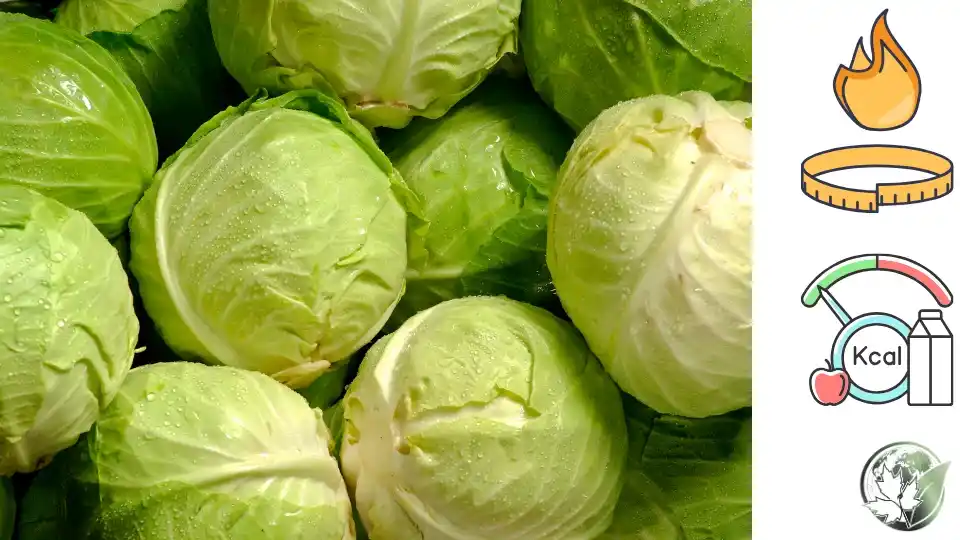
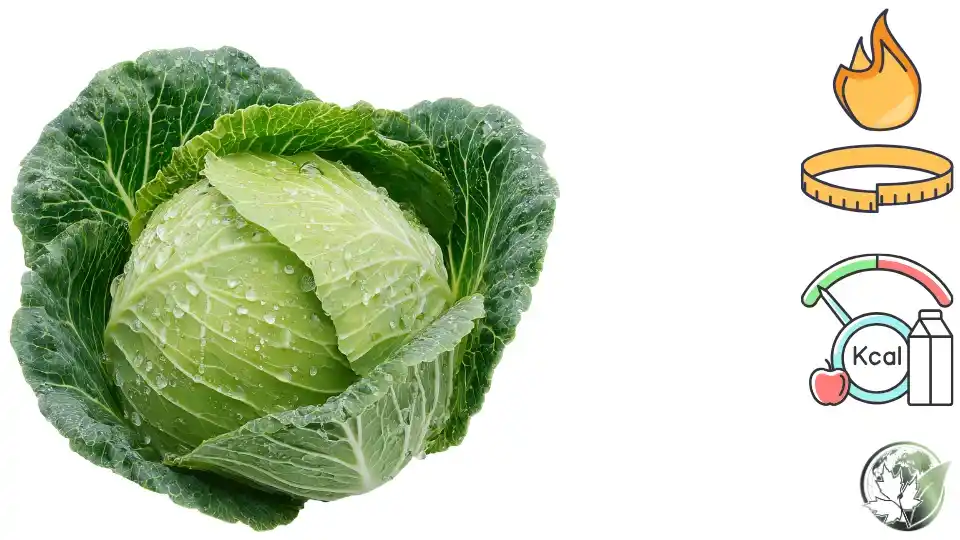
One cup of shredded raw cabbage has about 22 calories
How Many Calories Are in Different Types of Cabbage?
There are several common varieties, and their calories are close. Differences come mainly from water content and density.
| Cabbage type | Calories per 100 g | Calories per cup, raw chopped | Fiber per 100 g |
|---|---|---|---|
| Green cabbage | 25 kcal | 22 kcal | 2.5 g |
| Red (purple) cabbage | 31 kcal | 28 kcal | 2.1 g |
| Savoy cabbage | 27 kcal | 19 kcal | 3.1 g |
| Napa (Chinese) cabbage | 16 kcal | 12 kcal | 1.0 g |
| Bok choy | 13 kcal | 9 kcal | 1.0 g |
| White cabbage | 25 kcal | 22 kcal | 2.5 g |
| Brussels sprouts | 43 kcal | 38 kcal | 3.8 g |
Red cabbage is a little higher in calories and sugar, but it contains anthocyanins, the pigments that give it its purple color and act as antioxidants. Napa cabbage is lighter and more watery, closer to lettuce in energy.
How Do Raw and Cooked Cabbage Calories Differ?
Cooking cabbage does not add calories by itself, but it changes the volume. Cabbage shrinks when heated as water is released, so a cup of cooked cabbage contains more cabbage than a cup of raw.
| Preparation | Serving | Weight | Calories |
|---|---|---|---|
| Raw, shredded | 1 cup | 89 g | 22 kcal |
| Boiled, drained | 1 cup | 150 g | 34 kcal |
| Steamed | 1 cup | 145 g | 33 kcal |
| Sautéed in 1 tsp oil | 1 cup | 130 g | 66 kcal |
| Roasted with 1 tbsp olive oil | 1 cup | 120 g | 150 kcal |
| Stir-fried in 1 tbsp oil | 1 cup | 120 g | 155 kcal |
| Sauerkraut | 1 cup | 142 g | 27 kcal |
| Kimchi | 1 cup | 150 g | 23 kcal |
The key point is that oil, butter and sauces are the main calorie sources in cooked cabbage. Boiled or steamed cabbage stays under 35 calories per cup, but sautéing with a tablespoon of oil raises it by about 119 calories.
Cabbage vs Lettuce: Calories and Nutrition Compared
Cabbage and lettuce are both leafy salad vegetables, but they are not interchangeable nutritionally. Lettuce is mostly water and has a very light texture. Cabbage is denser and more fibrous.
| Per 100 g (raw) | Green cabbage | Iceberg lettuce | Romaine lettuce |
|---|---|---|---|
| Calories | 25 kcal | 14 kcal | 17 kcal |
| Carbohydrate | 5.8 g | 3.0 g | 3.3 g |
| Fiber | 2.5 g | 1.2 g | 2.1 g |
| Sugar | 3.2 g | 2.0 g | 1.2 g |
| Protein | 1.3 g | 0.9 g | 1.2 g |
| Vitamin C | 36.6 mg | 2.8 mg | 4.0 mg |
| Vitamin K | 76 mcg | 24 mcg | 103 mcg |
| Folate | 43 mcg | 29 mcg | 136 mcg |
| Potassium | 170 mg | 141 mg | 247 mg |
| Water | 92 g | 96 g | 95 g |
| Per typical salad serving | 1 cup shredded cabbage (89 g) | 2 cups iceberg (144 g) |
|---|---|---|
| Calories | 22 kcal | 20 kcal |
| Fiber | 2.2 g | 1.7 g |
| Vitamin C | 33 mg | 4 mg |
Per gram, cabbage has about 80 percent more calories than iceberg lettuce, but you eat a similar volume, so the real difference in a salad is only a couple of calories. Cabbage provides much more vitamin C, while romaine beats both in folate and vitamin K. For crunch and nutrition, cabbage is the better value, and for the lightest possible base, lettuce wins.
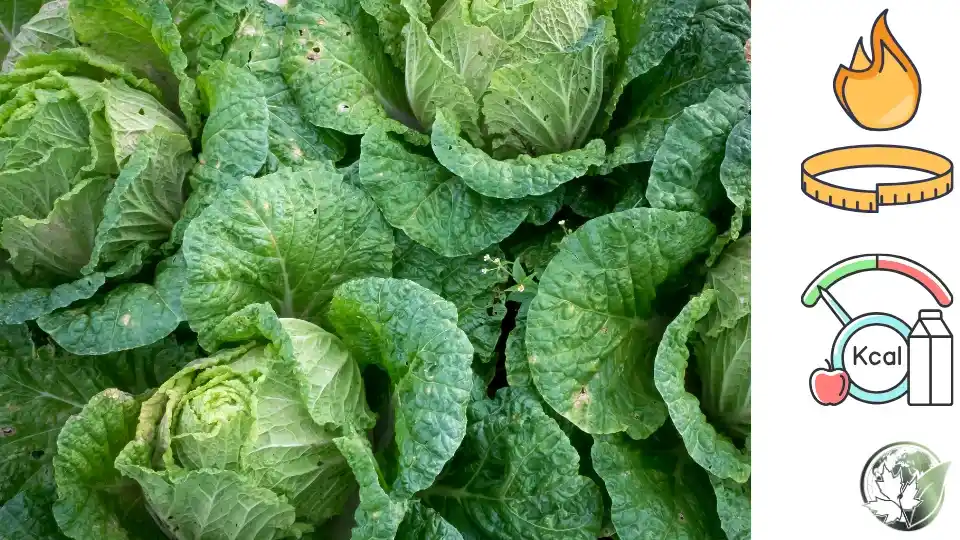
A bowl of shredded cabbage and lettuce has under 50 calories before dressing
How Much Vitamin C, Vitamin K and Fiber Are in Cabbage?
For so few calories, cabbage packs a surprising amount of nutrients. One cup of raw chopped green cabbage provides:
Vitamin C: about 32 mg, or 36 percent of the daily value
Vitamin K: about 68 mcg, or 57 percent of the daily value
Folate: about 38 mcg, or 10 percent of the daily value
Fiber: 2.2 grams, or 8 percent of the daily value
Potassium: about 151 mg
Manganese and vitamin B6 in smaller amounts
Cabbage is also a cruciferous vegetable, containing glucosinolates, sulfur compounds that are converted into isothiocyanates when the leaf is chopped or chewed. Research suggests these compounds may support detoxification enzymes and have anti-inflammatory effects. Red cabbage has up to four times the antioxidant capacity of green cabbage because of anthocyanins.
People who take blood-thinning medication such as warfarin should keep their vitamin K intake consistent, since cabbage is rich in it. A sudden change in the amount you eat can affect how the medicine works.
How Many Calories Are in Cabbage Dishes?
Plain cabbage is nearly calorie free, but most recipes add fat, sugar or starch. These numbers show how a simple vegetable turns into a more energetic dish.
| Dish | Serving | Calories |
|---|---|---|
| Cabbage soup (broth based) | 1 bowl, 300 g | 60 kcal |
| Coleslaw with mayonnaise | 1/2 cup, 100 g | 150 kcal |
| Coleslaw with vinaigrette | 1/2 cup, 100 g | 80 kcal |
| Stuffed cabbage rolls (2) | 250 g | 280 kcal |
| Cabbage stir-fry | 1 cup | 110 kcal |
| Fried cabbage with bacon | 1 cup | 190 kcal |
| Cabbage salad (Persian kalam) with oil | 1 cup | 90 kcal |
| Braised cabbage with butter | 1 cup | 140 kcal |
| Cabbage and potato pancake | 1 piece | 160 kcal |
| Sauerkraut | 1/2 cup | 14 kcal |
Mayonnaise-based coleslaw is nearly seven times higher in calories than raw cabbage per serving, because mayonnaise has about 94 calories per tablespoon. A lighter dressing of lemon juice, vinegar, mustard and a little olive oil keeps the dish under 80 calories.
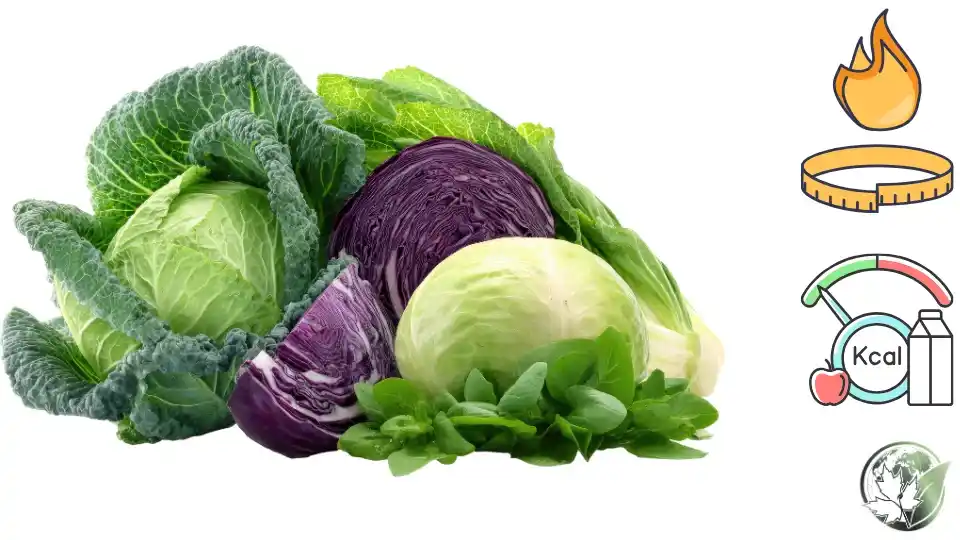
Coleslaw can range from 80 to 150 calories per serving depending on the dressing
How Does Cabbage Soup Work for Weight Loss?
The cabbage soup diet has circulated for decades, promising rapid weight loss in a week. Cabbage soup is very low in calories, about 60 per bowl, so eating mostly soup creates a large calorie deficit. Initial losses are largely water and glycogen, and weight often returns when normal eating resumes. The diet lacks protein, fat and many nutrients, and is not recommended for more than a few days.
A better use of cabbage is as a regular part of meals. A cup of cabbage soup before lunch or dinner can reduce total calorie intake at the meal, because it increases volume and fullness. Combine cabbage with beans, lean protein or whole grains to make a balanced low calorie dish that is sustainable.
How Does Cabbage Compare With Other Low-Calorie Vegetables?
Cabbage sits among the most budget-friendly vegetables. Here is how it compares with other common choices.
| Vegetable (100 g raw) | Calories | Fiber | Vitamin C |
|---|---|---|---|
| Cabbage | 25 kcal | 2.5 g | 36.6 mg |
| Lettuce (iceberg) | 14 kcal | 1.2 g | 2.8 mg |
| Cucumber | 15 kcal | 0.5 g | 2.8 mg |
| Tomato | 18 kcal | 1.2 g | 13.7 mg |
| Carrot | 41 kcal | 2.8 g | 5.9 mg |
| Broccoli | 34 kcal | 2.6 g | 89.2 mg |
| Cauliflower | 25 kcal | 2.0 g | 48.2 mg |
| Spinach | 23 kcal | 2.2 g | 28.1 mg |
| Potato | 77 kcal | 2.2 g | 19.7 mg |
Cabbage ties with cauliflower for energy and offers more fiber than most. It is also among the longest storing vegetables, which makes it a reliable source of fiber and vitamin C through winter.
How to Cook Cabbage Without Adding Many Calories
You can keep cabbage light by choosing methods that need little fat.
**Steam it.** Wedges steamed for 5 to 7 minutes keep color and nutrients with no added calories.
**Shred it raw.** Slaws with lemon, vinegar and herbs are crunchy and low in energy.
**Roast with a light spray.** A teaspoon of olive oil per half head gives caramelized edges for about 40 extra calories per serving.
**Simmer in broth.** Cabbage soaks up flavor from stock, garlic and spices.
**Ferment.** Sauerkraut and kimchi add probiotics for under 30 calories per cup.
**Use as a wrap.** Blanched leaves can replace tortillas or bread in rolls and wraps.
Avoid overcooking, because boiling cabbage for a long time releases sulfur compounds that cause strong smell and reduces vitamin C. Cooking until just tender, about 5 minutes, is best.
How to Choose and Store Cabbage
A fresh head of cabbage should feel heavy for its size, with tight, crisp leaves and a firm core. Avoid heads with yellowing, cracks or black spots. Smaller heads are generally sweeter, and larger ones are better for fermenting and cooking.
Store a whole head in the refrigerator crisper drawer, wrapped loosely, where it keeps for one to two months. Once cut, cover the exposed surface and use within a week. Do not wash the head until you are ready to use it, as extra moisture speeds spoilage. Shredded cabbage can be frozen after blanching for about two minutes, and keeps for up to ten months, although the texture is better suited to soups and stews.
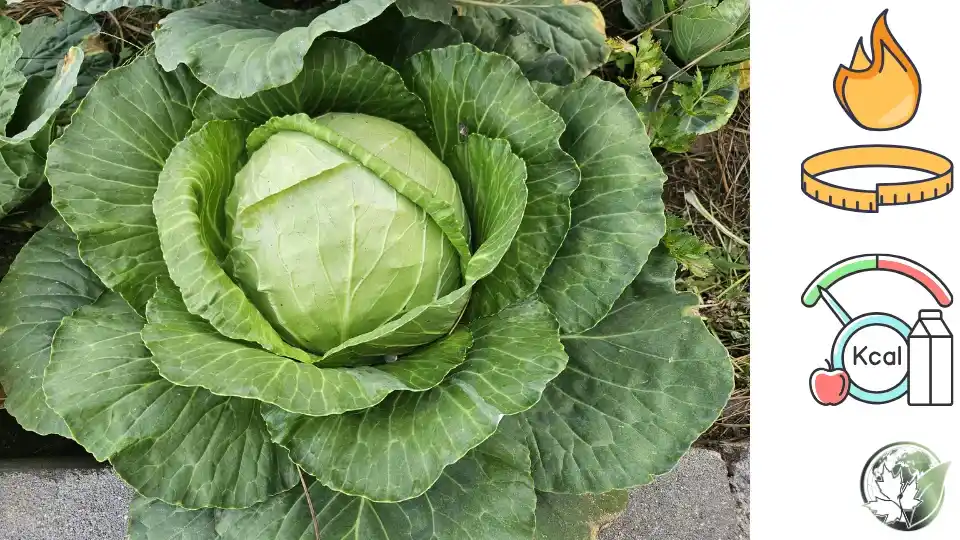
Red and green cabbage heads store for weeks in the refrigerator and cost little per serving
How Much Cabbage Can You Eat in a Day?
There is no strict limit, but a practical range is 1 to 3 cups a day for most people. Because cabbage is high in fiber and contains raffinose and sulfur compounds, large amounts can cause bloating or gas in some people, especially when they suddenly increase intake. Add it gradually, drink water and cook it well if raw cabbage upsets your stomach.
Cabbage contains small amounts of goitrogens, compounds that can interfere with iodine use in the thyroid. In normal food amounts this is not a concern for people with adequate iodine intake. People with thyroid disease should discuss large quantities of raw cruciferous vegetables with a doctor.
How Do You Count Cabbage Calories in Mixed Dishes?
When you cook cabbage with other ingredients, calculate by weight. Weigh the raw cabbage, multiply by 0.25 for calories, and add the calories of oil, meat or rice. For example, 300 grams of raw cabbage contributes 75 calories to a stew. A tablespoon of oil adds 119 and 100 grams of ground beef adds about 250. The total dish is about 444 calories, and nearly three quarters of that does not come from the cabbage.
For restaurant dishes, assume that cabbage is the low calorie part and the dressing or sauce is the main source of energy. Ask for dressing on the side and choose steamed or fermented preparations when you want lighter meals.
Why Is Cabbage So Low in Calories?
The reason cabbage has so few calories is simple: it is about 92 percent water. The remaining 8 percent is mostly carbohydrate, and a large part of that carbohydrate is fiber, which provides little usable energy for humans. Protein makes up about 1.3 percent and fat only 0.1 percent. Because fat provides 9 calories per gram and cabbage has almost none, the energy density stays around 0.25 calories per gram, compared with about 4 for bread and 7 for butter.
Energy density is one of the best predictors of how filling a food is for its calories. Foods with low density, such as vegetables, soups and fruit, let you eat a large volume while taking in few calories. A 300 gram plate of cabbage has only 75 calories, while the same weight of cheese would have over 1,200. This is why nutrition guidelines encourage filling half your plate with vegetables.
How Does Cabbage Fit Into Different Eating Plans?
Cabbage suits almost every eating plan because of its low energy and carbohydrate content.
**Low-calorie diets:** Large portions of cabbage add volume to meals for few calories.
**Low-carbohydrate and keto diets:** One cup of raw cabbage has only 5 grams of carbohydrate and 2.2 grams of fiber, giving about 3 grams of net carbohydrate.
**Diabetic meal plans:** Cabbage has a glycemic index near 10, and its fiber slows the absorption of other foods.
**Vegetarian and vegan diets:** It provides vitamin C, which improves absorption of iron from beans and grains.
**Mediterranean and Middle Eastern cooking:** It appears in salads, soups, rolls and pickles with olive oil and lemon.
For people who need more calories, such as athletes or those with a small appetite, cabbage can still be included, but it should be paired with calorie-dense foods like nuts, olive oil or grains so that the meal is not too filling for too little energy.
How Do Fermentation and Pickling Change Cabbage?
Fermenting cabbage into sauerkraut or kimchi hardly changes calories but changes nutrition and flavor. Lactic acid bacteria convert part of the sugar into lactic acid, which gives the sour taste and preserves the vegetable. Fermented cabbage contains live cultures that may support gut health, and the vitamin C content is largely retained, which historically protected sailors from scurvy.
The main thing to watch is sodium. Traditional sauerkraut uses about 2 percent salt by weight, so one cup contains roughly 900 milligrams of sodium, almost 40 percent of the recommended daily limit. Rinsing sauerkraut briefly reduces the salt. Quick pickled cabbage in vinegar does not contain live cultures but has similar calories, at about 20 to 30 per cup, and may include added sugar in the brine, so check the label.
How to Prepare Cabbage Step by Step
Cabbage is easy to prepare once you know the basics. Remove the outer leaves if they are damaged, then cut the head in half through the core. Cut each half into quarters and slice out the tough core at an angle. From there, you can shred the quarters thinly for slaws, cut them into wedges for roasting or separate whole leaves for rolls.
To blanch leaves for stuffing, cut out the core of a whole head and place it in boiling water for 3 to 5 minutes, peeling the outer leaves as they soften. To get crunchy slaw, salt shredded cabbage lightly and let it rest for 20 minutes, then squeeze out the extra water. This also reduces the volume, so you can pack more cabbage into the bowl.
How Does Cabbage Compare in Cost and Availability?
Cabbage is among the cheapest vegetables per serving, and it is available year-round. A 900 gram head costs less than a small pack of salad leaves, yet provides about ten servings. Because it keeps for weeks, there is little waste, which is useful for families and restaurants. Lettuce, by contrast, wilts within days and often costs more per gram of edible leaf. For anyone planning a low calorie diet on a budget, cabbage offers more fiber, more vitamin C and more meals per dollar than most leafy greens.
When comparing the two in recipes, remember that cabbage needs a little more chewing and holds dressing better. Cabbage slaw can be made a day ahead and stays crisp, while lettuce salads must be dressed at the last minute. This makes cabbage the practical choice for lunch boxes and meal prep, where it will not turn soggy by midday.
What Should You Remember When Counting Cabbage Calories?
Weigh cabbage raw whenever possible and use 25 calories per 100 grams for green cabbage, 31 for red and 16 for napa. If you measure cooked cabbage, use about 23 calories per 100 grams for boiled. Always add oil, dressing and meat separately, because those, not the cabbage, decide the final total. Over a week, replacing a starchy side such as rice with a cup of cabbage saves about 170 calories per serving, which adds up quickly.
Key Takeaways: Cabbage Calories vs Lettuce
Cabbage has about 25 calories per 100 grams, higher than iceberg lettuce at 14 and romaine at 17, but it provides more fiber and vitamin C. A cup of raw shredded cabbage has about 22 calories, and a cup of boiled cabbage about 34. Calories rise mainly through oil, mayonnaise and other additions, so steam, shred or roast with a light touch to keep cabbage a low calorie staple.
Frequently Asked Questions
10 questions answered
How many calories are in a cup of cabbage?
One cup of raw chopped green cabbage (89 g) has about 22 calories, and one cup of boiled cabbage has about 34.
How many calories are in 100 grams of cabbage?
One hundred grams of raw green cabbage has about 25 calories. Red cabbage has about 31.
Does cabbage have more calories than lettuce?
Yes, per gram. Cabbage has about 25 calories per 100 grams, while iceberg lettuce has 14 and romaine has 17. The difference in a typical salad is only a few calories.
How many calories are in a whole head of cabbage?
A medium head of green cabbage (about 900 g) has around 225 calories.
Is cabbage good for weight loss?
Cabbage is low in calories and high in fiber and water, so it helps you feel full. It supports weight loss as part of a balanced diet, but no single food burns fat.
How many calories are in cabbage soup?
A broth-based cabbage soup has about 60 calories per 300 gram bowl, and creamy versions can have 150 or more.
Is red cabbage healthier than green cabbage?
Red cabbage has slightly more calories but more antioxidants, especially anthocyanins and vitamin C. Both are healthy choices.
Does boiling cabbage reduce calories?
No. Boiling does not remove calories, but it reduces volume, so a cup of cooked cabbage contains more cabbage than a cup of raw.
How many calories are in sauerkraut?
A cup of sauerkraut has about 27 calories, but it is high in sodium, about 900 mg per cup.
Can cabbage cause gas?
Yes, in some people. Cabbage contains fermentable fibers and sulfur compounds, so start with small portions and cook it well.