Beans Calories at a Glance
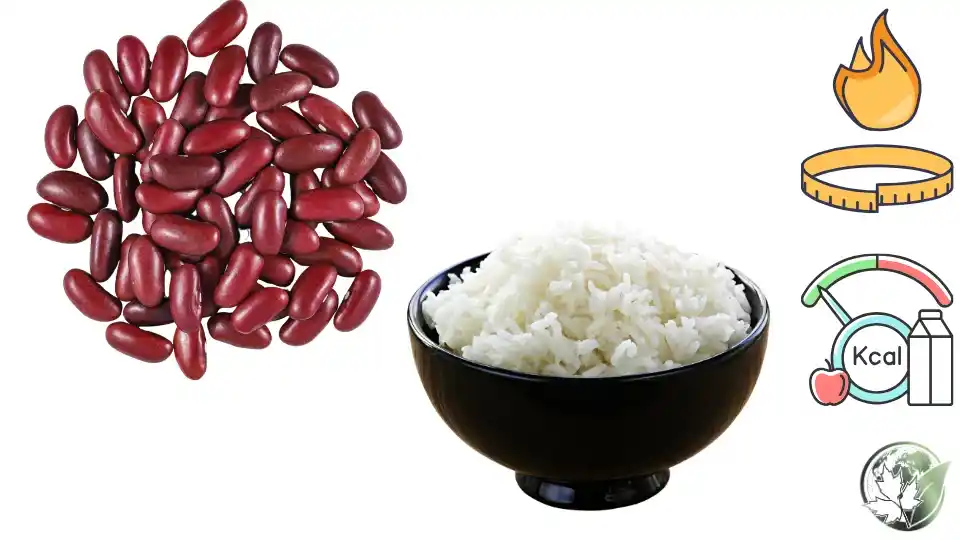
Beans calories are lower than most people expect for a food that feels so hearty. A 100 gram portion of cooked kidney beans contains about 127 calories, and a full cup of about 177 grams contains roughly 225. Cooked white rice contains about 130 calories per 100 grams and about 205 per cup of 158 grams. By weight, the two foods are almost identical in energy, and by cup beans have slightly more calories because a cup of beans weighs more than a cup of rice.
The real difference lies in what comes with the calories. Beans provide about 8.7 grams of protein and 6.4 grams of fiber per 100 grams of cooked weight, while white rice provides 2.7 grams of protein and 0.4 grams of fiber. In other words, beans carry roughly three times the protein and sixteen times the fiber for the same energy. That is why beans are described as slow, steady fuel and why they feature in every serious conversation about satiety, blood sugar and heart health.
This guide covers calories in cooked and dry beans, in a cup, half cup and tablespoon, and compares beans with cooked white and brown rice. You will find three tables, tips for cooking and portioning, and an FAQ. The values refer to common cooked beans such as red kidney, pinto and white beans, which sit within a narrow range.
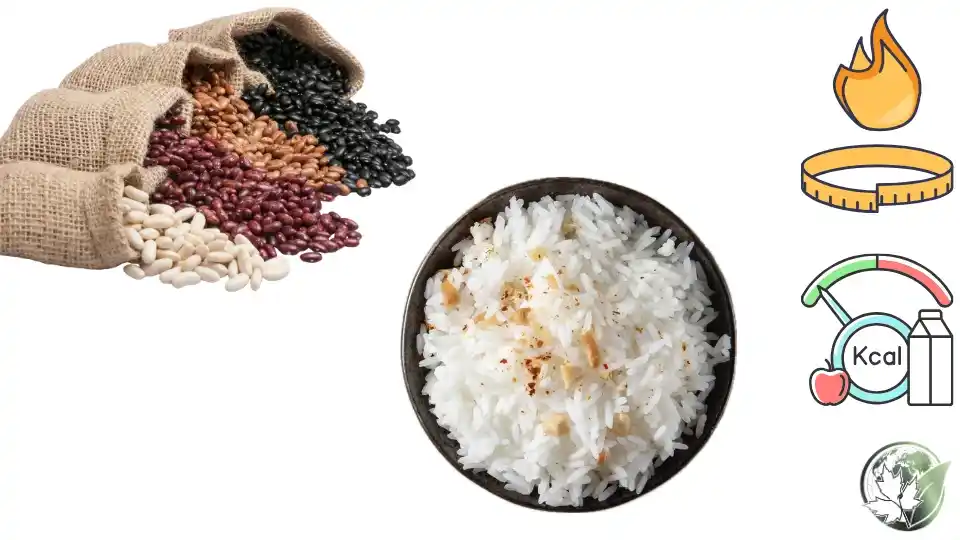
Cooked beans have about 127 calories per 100 grams and plenty of protein and fiber
How Many Calories Are in Cooked Beans?
Cooking beans adds water, so the calories per 100 grams drop to roughly 40 percent of the dry value. Dry beans contain about 333 calories per 100 grams, but after soaking and boiling they absorb about 1.3 times their weight in water and end up at around 127 calories per 100 grams.
| Cooked bean portion | Weight | Calories | Protein | Fiber |
|---|---|---|---|---|
| 1 tablespoon | 11 g | 14 kcal | 1.0 g | 0.7 g |
| 1/4 cup | 44 g | 56 kcal | 3.8 g | 2.8 g |
| 1/2 cup | 89 g | 113 kcal | 7.7 g | 5.7 g |
| 1 cup | 177 g | 225 kcal | 15.4 g | 11.3 g |
| 1 can, drained (about 255 g) | 255 g | 324 kcal | 22.2 g | 16.3 g |
| 100 g | 100 g | 127 kcal | 8.7 g | 6.4 g |
A half cup serving of cooked beans has about 113 calories, 7.7 grams of protein and 5.7 grams of fiber, about 20 percent of the daily fiber requirement. Canned beans are within a few calories of home-cooked ones, but they may be higher in sodium, with 300 to 450 milligrams per half cup unless you choose a low-sodium version or rinse them.
How Many Calories Are in Dry Beans Before Cooking?
Recipes sometimes list dry weight, so it helps to know what it means. A 100 gram portion of dry beans has about 333 calories, 23 grams of protein and 25 grams of fiber. After cooking, it yields about 260 grams of cooked beans, which is about 1 and a half cups.
| Dry beans | Weight | Calories | Cooked yield |
|---|---|---|---|
| 1/4 cup | 45 g | 150 kcal | About 115 g, 2/3 cup |
| 1/2 cup | 90 g | 300 kcal | About 235 g, 1 1/3 cups |
| 1 cup | 180 g | 600 kcal | About 470 g, 2 2/3 cups |
| 100 g | 100 g | 333 kcal | About 260 g |
The expansion is why dry beans are a cost-efficient, calorie-light source of protein. A single cup of dry beans can feed four to five people when cooked into a stew, with roughly 120 to 150 calories of beans per serving.
Beans vs Cooked Rice: Calories per 100 g and per Cup
The headline comparison is between cooked beans and cooked rice, two foods that anchor meals around the world. Here are values for cooked red kidney beans, white rice and brown rice.
| Food (cooked) | Calories per 100 g | Weight of 1 cup | Calories per cup |
|---|---|---|---|
| Kidney beans | 127 kcal | 177 g | 225 kcal |
| White rice | 130 kcal | 158 g | 205 kcal |
| Brown rice | 112 kcal | 195 g | 218 kcal |
| Pinto beans | 143 kcal | 171 g | 245 kcal |
| Black beans | 132 kcal | 172 g | 227 kcal |
| White (navy) beans | 140 kcal | 182 g | 255 kcal |
Per 100 grams, beans and rice are essentially tied. Per cup, beans are about 10 to 40 calories higher because they are denser. If you measure by weight, you can treat 100 grams of beans and 100 grams of rice as equal in energy, and the choice comes down to nutrients and meal structure.
Beans vs Cooked Rice: Protein, Fiber and Carbs
The nutrient makeup shows why beans are more filling. A 150 gram serving of cooked beans provides about 13 grams of protein and 9.6 grams of fiber. The same weight of cooked white rice provides 4 grams of protein and 0.6 grams of fiber.
| Per 150 g cooked | Kidney beans | White rice | Brown rice |
|---|---|---|---|
| Calories | 191 kcal | 195 kcal | 168 kcal |
| Protein | 13.1 g | 4.1 g | 3.9 g |
| Fiber | 9.6 g | 0.6 g | 2.6 g |
| Carbohydrate | 34.2 g | 42.3 g | 35.0 g |
| Fat | 0.8 g | 0.4 g | 1.4 g |
| Iron | 3.0 mg | 0.3 mg | 0.6 mg |
| Folate | 192 mcg | 4 mcg | 6 mcg |
| Potassium | 556 mg | 38 mg | 124 mg |
Beans are rich in iron, folate and potassium, while rice has little of them unless it is enriched. Brown rice sits between the two, with more fiber and magnesium than white rice but far less protein than beans. Combining beans and rice, as in many traditional dishes, creates a complete protein because each supplies amino acids the other lacks.
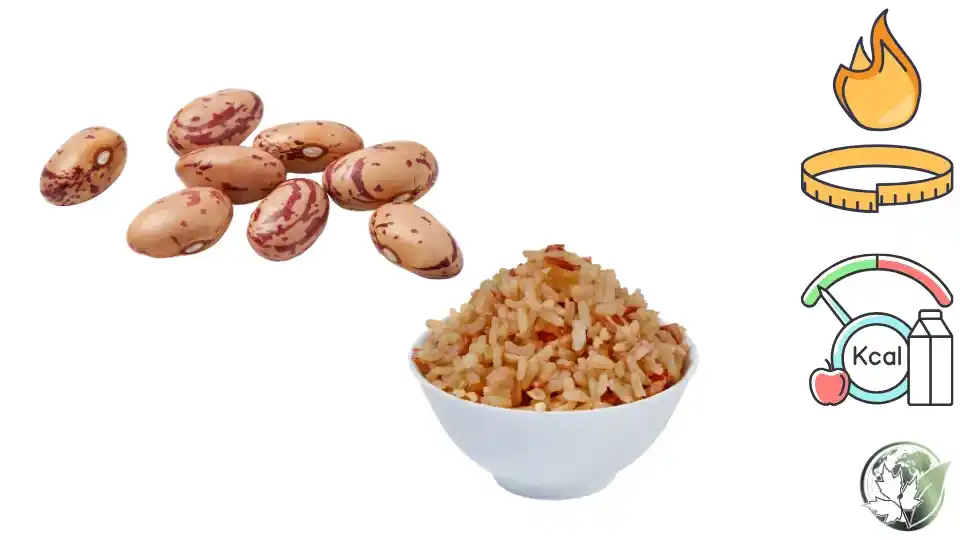
Beans and rice have similar calories per 100 g, but beans bring three times the protein
How Do Beans Affect Fullness and Blood Sugar Compared with Rice?
Beans have a low glycemic index, generally between 25 and 40, compared with 70 to 90 for white rice and 50 to 68 for brown rice. The combination of fiber, resistant starch and protein slows digestion, which flattens the rise in blood sugar after a meal. People with diabetes or prediabetes often replace some rice with beans for that reason.
Beans also rank high on satiety scales. In controlled studies, meals with beans leave people feeling full longer and eating less at the next meal. A review of trials found that eating about a serving of pulses a day was linked to modest weight loss even without calorie restriction.
None of this means rice is bad. White rice is easy to digest and is a good fuel for athletes and for people with sensitive stomachs. Choose the food that matches the goal of the meal, or mix the two. A plate with half a cup of rice and half a cup of beans has about 160 calories, 9 grams of protein and 6 grams of fiber, far more balanced than a full cup of rice at 205 calories, 4 grams of protein and less than 1 gram of fiber.
How to Mix Beans and Rice to Lower Calories and Raise Protein
A hybrid plate keeps the comfort of rice while borrowing the nutrients of beans. These combinations show the calories for a one cup total serving.
| Mix | Calories | Protein | Fiber |
|---|---|---|---|
| 1 cup white rice | 205 kcal | 4.3 g | 0.6 g |
| 3/4 cup rice, 1/4 cup beans | 188 kcal | 6.6 g | 3.5 g |
| 1/2 cup rice, 1/2 cup beans | 160 kcal | 8.6 g | 3.0 g |
| 1/4 cup rice, 3/4 cup beans | 142 kcal | 10.8 g | 6.6 g |
| 1 cup beans | 225 kcal | 15.4 g | 11.3 g |
A half and half plate is a good starting point. It cuts about 45 calories compared with a plain cup of rice and doubles the protein. If you cook rice with beans in the same pot, as in many regional dishes, the beans release flavor into the rice and you can use less oil.
How to Cook Beans Without Adding Many Calories
Plain beans are low in fat and calories, but cooking methods can change the numbers. Boiling in water or broth adds almost nothing. Adding a tablespoon of oil to a pot of beans for four servings adds 30 calories per serving. A strip of bacon or a ham hock can add 50 to 100 calories per serving.
To keep beans light, soak them overnight, discard the soaking water to reduce gas-causing sugars, then simmer with garlic, onion, bay leaf and herbs. Season with salt at the end. For canned beans, rinse under water for 30 seconds, which removes up to 40 percent of the sodium.
Pressure cooking cuts the time to 20 to 30 minutes and preserves nutrients. If you like creamy beans, mash a quarter of them back into the pot instead of adding cream or butter.
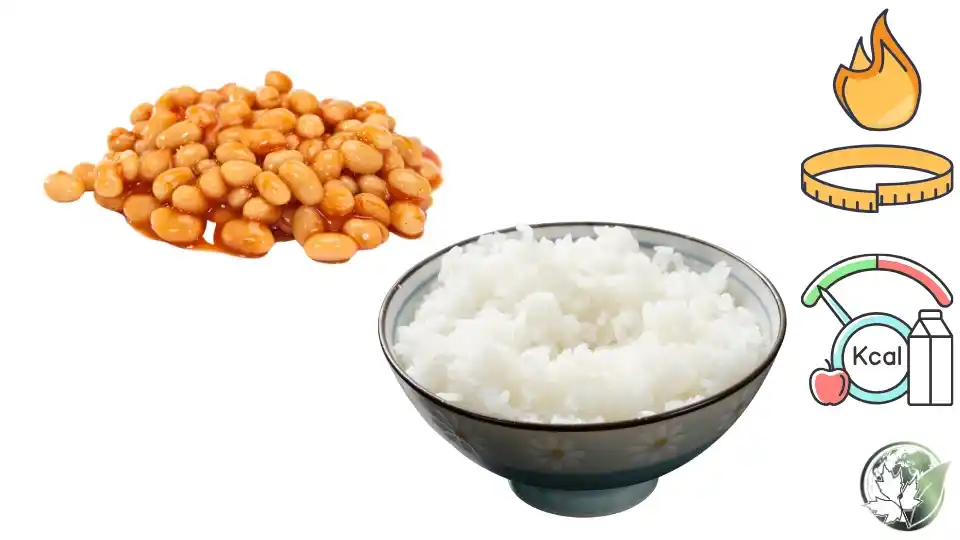
A bean salad with a light dressing makes a filling meal under 300 calories
How Many Calories Do Beans Add to Common Dishes?
Beans appear in soups, stews, salads, dips and burritos. The calories depend on the other ingredients as much as on the beans. Here are typical servings.
| Dish | Serving | Approximate calories |
|---|---|---|
| Bean soup with vegetables | 1.5 cups | 230 kcal |
| Chili with beans and meat | 1.5 cups | 380 kcal |
| Three bean salad | 1 cup | 190 kcal |
| Hummus-style bean dip | 1/4 cup | 110 kcal |
| Bean and rice burrito | 1 medium | 450 kcal |
| Baked beans in sauce | 1/2 cup | 130 kcal |
| Refried beans | 1/2 cup | 120 kcal |
Baked beans and refried beans can contain added sugar or lard, which lifts the calories and sodium. Compare labels and choose versions with no added sugar and low sodium if you eat them often.
How Much Beans Should You Eat per Day?
Dietary guidelines suggest about one and a half cups of legumes per week for a 2000 calorie diet, although many experts recommend more, up to a half cup daily. A half cup of cooked beans provides about 113 calories, which fits comfortably into most plans.
If you are new to beans, start small to let your gut adapt, because the fiber and fermentable carbohydrates can cause gas and bloating at first. Drinking more water and gradually increasing the portion over several weeks helps. Soaking, rinsing and cooking thoroughly also reduce the compounds that cause discomfort. Some people use enzyme supplements, though evidence is mixed.
Raw or undercooked kidney beans contain a toxin, phytohaemagglutinin, which can cause severe stomach upset. Always boil them hard for at least 10 minutes before simmering. Canned beans are already cooked and safe to eat.
How to Store and Reheat Cooked Beans and Rice
Cooked beans keep in the refrigerator for four to five days and in the freezer for up to six months. Freeze them in portions with some cooking liquid so they stay moist. A half cup portion freezes and thaws well.
Cooked rice has its own storage rules. Cool it quickly and refrigerate within an hour, because rice can carry Bacillus cereus spores that multiply at room temperature. Use it within one day, and reheat until steaming hot. Do not leave rice sitting out, and avoid reheating more than once.
For meal prep, cooking a big batch of beans and a pot of rice and combining them in containers makes lunches that are balanced and inexpensive. The calories stay the same after storage, though they may feel more satisfying when reheated because of resistant starch formed on cooling.
What Types of Beans Have the Lowest Calories?
All beans are similar, but small differences exist. Black soybeans and edamame have more protein and fat, so more calories. Green beans, being immature pods, are far lower, at about 31 calories per 100 grams.
| Type (cooked) | Calories per 100 g | Protein | Fiber |
|---|---|---|---|
| Green beans | 35 kcal | 1.9 g | 3.2 g |
| Black beans | 132 kcal | 8.9 g | 8.7 g |
| Kidney beans | 127 kcal | 8.7 g | 6.4 g |
| Pinto beans | 143 kcal | 9.0 g | 9.0 g |
| White beans | 139 kcal | 9.7 g | 6.3 g |
| Lima beans | 115 kcal | 7.8 g | 5.3 g |
| Edamame | 121 kcal | 11.9 g | 5.2 g |
Lima beans are the lowest among the dry bean family, at about 115 calories per 100 grams. Pinto beans have the most fiber. Any of these can be used interchangeably in recipes with only small changes in calories.
How Many Calories Are in Traditional Bean and Rice Dishes?
Beans and rice are combined in cuisines everywhere, and the calories depend heavily on the cooking fat and meat. A plain pot of beans served over rice is light, while a dish finished with oil, butter or fatty meat is a different story. The table shows typical single serving values for well-known styles.
| Dish | Serving | Approximate calories | Main calorie source |
|---|---|---|---|
| Plain beans over steamed rice | 1 cup beans and 1 cup rice | 430 kcal | Carbohydrate |
| Green bean and rice with meat (lubia polo style) | 1.5 cups | 480 kcal | Rice, oil, meat |
| Red beans and rice with sausage | 1.5 cups | 520 kcal | Rice, sausage |
| Rice and black beans | 1.25 cups | 380 kcal | Rice, beans |
| Vegetarian bean rice bowl with vegetables | 2 cups | 400 kcal | Rice, beans, oil |
| Bean stew with bread | 1.5 cups and 1 slice | 380 kcal | Beans, bread |
The simplest way to lower the calories of these dishes is to cut the oil by a third, use lean meat or leave it out and add vegetables for volume. A teaspoon less oil per serving saves about 40 calories, and a cup of extra vegetables adds only about 30.
How Can You Plan a Day of Meals Around Beans and Rice?
Using beans and rice in a daily plan works best when you spread them across meals and watch the extras. A sample day might include oatmeal with fruit at breakfast, a bean and vegetable soup with a slice of bread at lunch, a snack of yogurt and nuts, and a dinner of grilled chicken or fish with half a cup of rice and half a cup of beans.
| Meal | Food | Approximate calories |
|---|---|---|
| Breakfast | Oatmeal with fruit and a spoon of nuts | 320 kcal |
| Lunch | Bean and vegetable soup, 1.5 cups, with 1 slice bread | 330 kcal |
| Snack | Plain yogurt with a few almonds | 170 kcal |
| Dinner | Grilled fish, 1/2 cup rice, 1/2 cup beans, salad | 520 kcal |
| Total | about 1340 kcal |
This outline reaches about 1340 calories before oils, drinks or desserts, leaving space to bring the day up to 1800 or 2000 depending on your needs. It delivers over 60 grams of protein and about 30 grams of fiber, which is roughly the daily target. If you are very active, simply increase the rice portion to a full cup and add a second snack.
How Do You Count Calories When Beans and Rice Are Mixed in One Pot?
Mixed dishes are harder to track because the proportions vary. The most accurate method is to weigh the ingredients raw, add their calories, cook the dish, weigh the finished pot and then divide by the portion size. For example, 200 grams of dry rice at 365 calories per 100 grams contributes 730 calories. Add 100 grams of dry beans at 333 per 100 grams for another 333, plus two tablespoons of oil at 240 calories, and the whole pot holds about 1300 calories.
If the finished pot weighs 1300 grams, then every 100 grams has 100 calories, and a 300 gram plate has 300 calories. This method works for any recipe and takes only a minute once you have the numbers. The alternative is to estimate with half-cup scoops, assuming about 110 calories per half cup of a rice and bean mix, which is accurate to within about 15 percent for lightly oiled dishes.
How to Choose Between Beans and Rice for Different Goals
The right choice depends on what you want from the meal. For weight loss and appetite control, beans are the better anchor because they deliver protein and fiber that keep hunger in check for the same energy. For quick fuel before or after hard training, white rice is easier to digest and restores glycogen fast. For blood sugar management, beans or a half and half mix produce a gentler curve than rice alone.
People with sensitive digestion, such as those with irritable bowel syndrome, may tolerate rice better and need smaller portions of beans, rinsed canned ones in particular. Children and older adults often like the softness of rice but benefit from the iron and protein in beans, so mashing a few beans into rice is a gentle way to combine them. In every case, aim to keep the plate varied, with vegetables for volume and a source of healthy fat for flavor.
Key Takeaways: Beans vs Cooked Rice Calories
Cooked beans have about 127 calories per 100 grams and about 225 per cup, nearly the same as cooked white rice at 130 per 100 grams and 205 per cup. Beans have about three times the protein and many times the fiber, with a lower glycemic index, so they fill you up more.
For the best of both, mix beans and rice in a half and half plate, use dry or rinsed canned beans, and keep added fat modest. Measure by weight when you want precise calories.
Frequently Asked Questions
8 questions answered
How many calories are in a cup of cooked beans?
A cup of cooked kidney beans, about 177 grams, has about 225 calories, 15 grams of protein and 11 grams of fiber.
How many calories are in 100 grams of cooked beans?
100 grams of cooked beans have about 127 calories, with small differences between varieties.
Do beans have more calories than rice?
Per 100 grams they are almost equal, but per cup beans have slightly more because a cup of beans weighs more than a cup of rice.
Are beans healthier than rice?
Beans provide more protein, fiber, iron and potassium and a lower glycemic index, so they are generally more nutritious, though rice has a place in a balanced diet.
How many calories are in canned beans?
About 100 to 125 calories per half cup, depending on the type and whether sauce or sugar is added. Rinsing lowers the sodium, not the calories.
Do beans make you gain weight?
Not by themselves. They are filling and have been linked to modest weight loss in studies, but large portions with added fats and sugars can add calories.
How many calories are in dry beans?
Dry beans have about 333 calories per 100 grams, which becomes about 127 per 100 grams after cooking because of absorbed water.
Can I replace rice with beans?
Yes, partially or fully. Replacing half your rice with beans keeps the calories similar while doubling the protein and increasing fiber.