Apple Compote Calories at a Glance
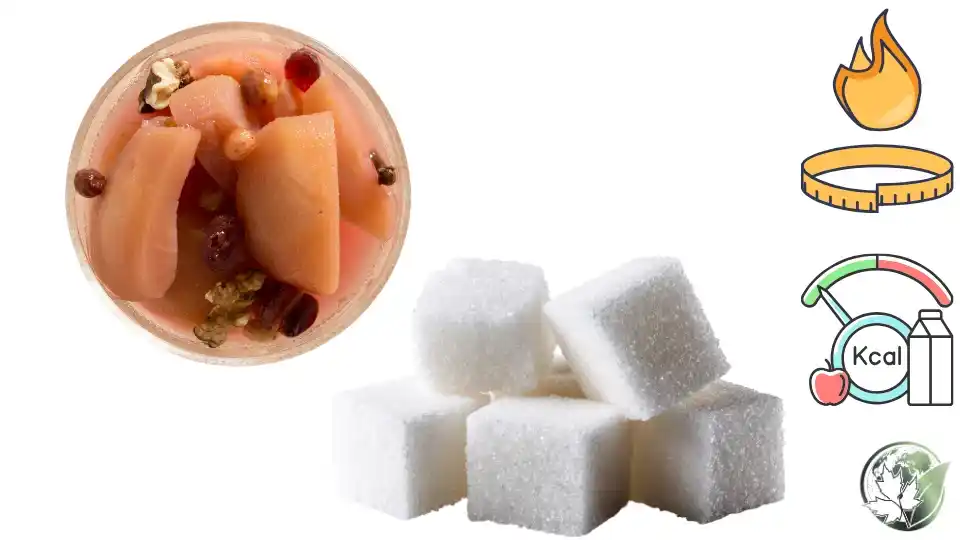
Apple compote calories depend almost entirely on one decision: whether sugar was added. Unsweetened apple compote provides about 42 calories per 100 grams, which is close to the calories in fresh apple once the fruit is cooked down. Sweetened apple compote typically provides 65 to 80 calories per 100 grams. A sugar cube, on the other hand, weighs about 4 grams and contains about 16 calories, all of it from sucrose.
That simple comparison reveals something useful. A 100 gram spoonful of sweetened compote contains about 15 grams of sugar, the equivalent of nearly four sugar cubes. The same portion of unsweetened compote contains roughly 8 to 10 grams of natural sugar, or two to two and a half cubes. Both are modest numbers, yet the visual of stacked cubes helps explain why a bowl of "fruit" can behave like a dessert.
In this guide you will see calories per tablespoon, per half cup and per cup, learn how sweetened, unsweetened, jarred and drinkable compote differ, and compare compote with fresh apple, jam, honey and plain sugar. You will find three comparison tables, a quick method for converting any serving into sugar cubes and an FAQ at the end.
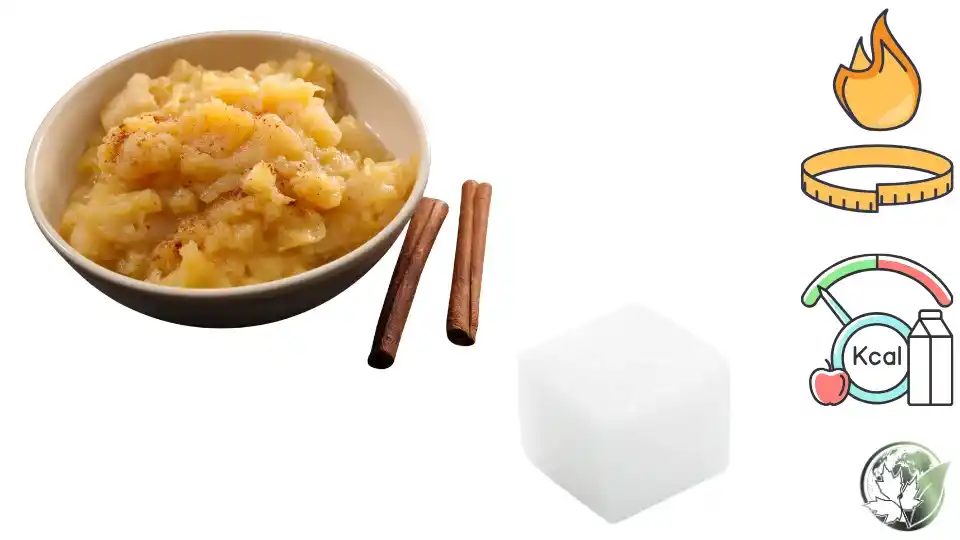
Homemade apple compote can be made with little or no added sugar
How Many Calories Are in Apple Compote?
The reference values below describe spoonable apple compote, the thick, chunky or smooth fruit preparation similar to applesauce. They come from standard nutrition databases and are rounded for clarity.
| Type of compote | Calories per 100 g | Sugar per 100 g | Sugar cubes per 100 g |
|---|---|---|---|
| Unsweetened apple compote | 42 kcal | 8.4 g | 2.1 |
| Lightly sweetened (about 5 g sugar added) | 55 kcal | 12 g | 3.0 |
| Sweetened apple compote | 68 kcal | 15 g | 3.8 |
| Heavy sweetened or jarred dessert style | 80 kcal | 18 g | 4.5 |
| Plain sugar cube (4 g) | 387 kcal per 100 g | 100 g | 25 |
The last row is a reminder that sugar itself is far more concentrated than any fruit preparation. A single cube has 16 calories, while a whole 100 gram portion of unsweetened compote has about 42. The compote is more filling because it carries water, fiber and volume, whereas sugar delivers calories without bulk.
How Many Calories Are in a Tablespoon, Half Cup and Cup of Apple Compote?
Serving sizes are where the numbers become practical. A level tablespoon of compote weighs about 15 grams, a half cup weighs about 122 grams and a full cup about 245 grams.
1 tablespoon: about 6 kcal unsweetened, about 10 kcal sweetened
Half cup (122 g): about 51 kcal unsweetened, about 83 kcal sweetened
1 cup (245 g): about 103 kcal unsweetened, about 167 kcal sweetened
1 small jar (113 g): about 47 kcal unsweetened, about 77 kcal sweetened
1 school snack pouch (90 g): about 38 kcal unsweetened, about 61 kcal sweetened
The difference between a cup of unsweetened and a cup of sweetened compote is about 64 calories. That is four sugar cubes, which matches the added sugar in a typical recipe. If you eat compote at breakfast every day, switching to the unsweetened version saves more than 440 calories a week without changing the portion.
Apple Compote vs a Sugar Cube: Calorie and Sugar Comparison
The most striking way to see compote is to translate it into cubes. A standard cube weighs 4 grams and has about 16 calories. Some restaurant cubes weigh only 3 grams and have about 12 calories, but 4 grams is the usual reference.
| Serving | Calories | Total sugar | Sugar cube equivalent |
|---|---|---|---|
| 1 sugar cube | 16 kcal | 4 g | 1 cube |
| 1 tablespoon unsweetened compote | 6 kcal | 1.3 g | 0.3 cube |
| 1 tablespoon sweetened compote | 10 kcal | 2.3 g | 0.6 cube |
| Half cup unsweetened compote | 51 kcal | 10 g | 2.6 cubes |
| Half cup sweetened compote | 83 kcal | 18 g | 4.6 cubes |
| 1 cup unsweetened compote | 103 kcal | 21 g | 5.1 cubes |
| 1 cup sweetened compote | 167 kcal | 37 g | 9.2 cubes |
A full cup of sweetened compote contains about nine sugar cubes of sugar. About half of those are naturally present in the apples, and the rest were added. This does not make compote unhealthy, but it shows why portion size and recipe matter if you are watching sugar intake.
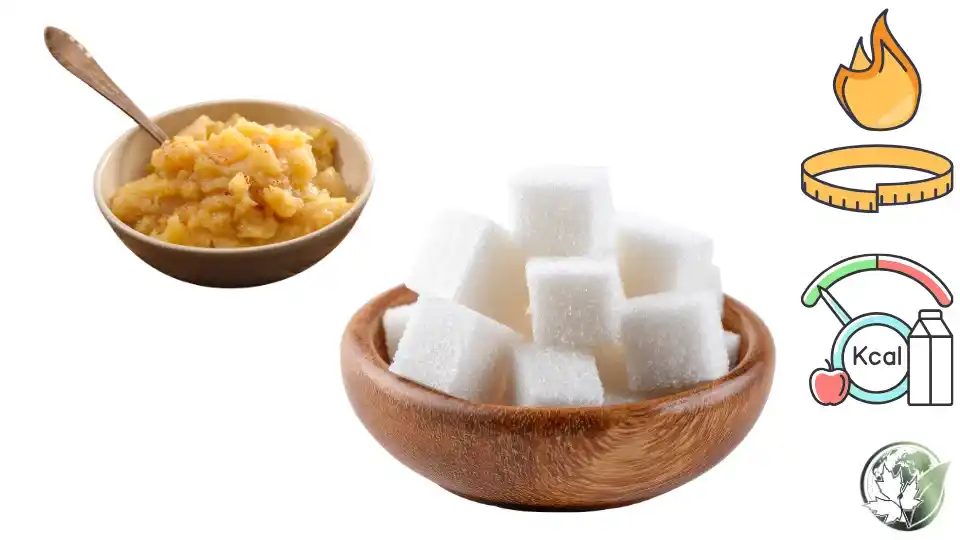
A cup of sweetened compote contains the sugar of roughly nine sugar cubes
How to Convert Any Compote Serving into Sugar Cubes
Converting a nutrition label into cubes takes about ten seconds. Read the sugar line, in grams, and divide by four. If the label says 15 grams of sugar per serving, that is 3.75 cubes. If it says 22 grams, that is 5.5 cubes.
Remember that "total sugar" includes the natural fructose, glucose and sucrose from apples. Labels in many countries now also show "added sugars," which let you subtract the natural part. Take the example of a jar labeled 17 grams of total sugar and 7 grams of added sugar. That equals 4.25 cubes in total, with 1.75 cubes from added sugar and 2.5 cubes from the fruit.
For homemade compote, estimate the sugar using the recipe. If you cook 1 kilogram of apples with 100 grams of sugar and end up with 900 grams of compote, the added sugar is 11 grams per 100 grams, about 2.8 cubes, on top of roughly 2 cubes of natural sugar per 100 grams.
How Does Apple Compote Compare with Fresh Apple?
Fresh apples contain about 52 calories per 100 grams and about 10 grams of sugar. A medium apple of about 182 grams therefore has about 95 calories and 19 grams of sugar. Unsweetened compote has fewer calories per 100 grams because cooking adds water and softens the fruit, and often the peel is removed.
| Per 100 g | Fresh apple with skin | Unsweetened compote | Sweetened compote |
|---|---|---|---|
| Calories | 52 kcal | 42 kcal | 68 kcal |
| Carbohydrate | 13.8 g | 11.3 g | 17.2 g |
| Sugar | 10.4 g | 8.4 g | 15.0 g |
| Fiber | 2.4 g | 1.2 g | 1.1 g |
| Vitamin C | 4.6 mg | 1.2 mg | 1.0 mg |
| Potassium | 107 mg | 75 mg | 65 mg |
Compote loses roughly half the fiber and most of the vitamin C of a raw apple, mainly through peeling and heat. If you want the most nutrition, eat the apple whole and use compote as a convenient, soft alternative when chewing is hard, such as for toddlers, older adults or people recovering from dental work.
How to Make Low Calorie Apple Compote at Home
A lighter compote is easy. Use a sweet variety, such as Gala or Fuji, so you need little or no sugar. Peel only if you prefer a smooth texture; keeping the peel adds fiber and color. Cook the chopped apples with a small splash of water and a cinnamon stick for 12 to 15 minutes, until soft, then mash or leave chunky.
To control sweetness, add flavor instead of sugar. Cinnamon, vanilla, cardamom, a squeeze of lemon and a few raisins give a sweet impression for very few calories. If you do want sugar, add it at the end so you can taste and stop early. One teaspoon, or one cube, per serving is often enough.
A homemade batch made with 1 kilogram of apples and no sugar produces about 800 grams of compote with around 420 calories in total, or 52 calories per 100 grams including some water loss. Adding 80 grams of sugar raises the total to about 740 calories, or 92 per 100 grams in that smaller yield, which shows how quickly a "small" amount of sugar changes the picture.
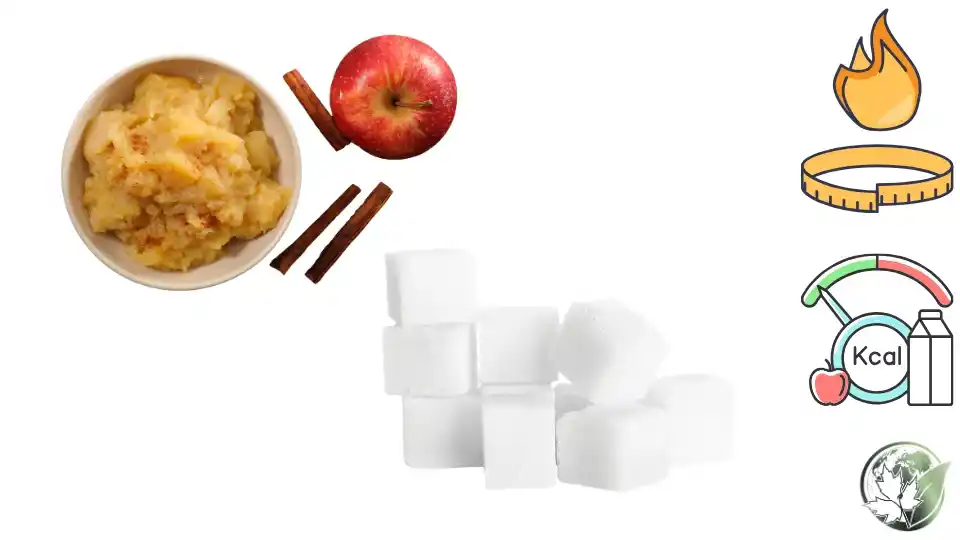
Cooking apples with cinnamon and a little water brings out sweetness without added sugar
How Many Calories Are in Drinkable Apple Compote?
In many Eastern European and Middle Eastern homes, compote means a drink rather than a spoonable fruit. Whole fruit is simmered in water with sugar, then chilled and served with or without the fruit pieces. A typical home recipe uses 60 to 100 grams of sugar per liter, plus apples.
That makes drinkable compote roughly 25 to 55 calories per 100 milliliters. A 250 milliliter glass contains about 60 to 140 calories, equal to 4 to 9 sugar cubes' worth of calories if all of it came from sugar. The fruit pieces add a few extra calories and some fiber if you eat them.
| Drinkable compote recipe | Calories per 250 ml | Approximate sugar cubes |
|---|---|---|
| Sugar-free, apples only | 35 kcal | 2.2 |
| Light, 40 g sugar per liter | 75 kcal | 2.5 plus fruit sugars |
| Classic, 80 g sugar per liter | 110 kcal | 5.0 plus fruit sugars |
| Sweet, 120 g sugar per liter | 145 kcal | 7.5 plus fruit sugars |
Compared with commercial apple juice, which has about 46 calories per 100 milliliters, a light compote is usually lower in calories, while a classic one is about the same. Drinking the liquid without the fruit gives you the sugar without the fiber, so eating the apple pieces is a nutritional bonus.
How to Choose Jarred Apple Compote
Commercial compote varies widely. Check three things on the label: the sugar per 100 grams, the ingredient order and the serving size. A good unsweetened product lists apples, perhaps with lemon juice or vitamin C, and shows about 8 to 10 grams of sugar per 100 grams. A sweetened product may list sugar or glucose syrup second, and it often shows 14 to 18 grams per 100 grams.
Squeeze pouches are convenient, but their small size can mislead. A 90 gram pouch of sweetened compote contains about 61 calories and 13.5 grams of sugar. Two pouches in a day equal about seven sugar cubes of sugar. Single serve cups often use a 113 gram portion, which carries 77 calories if sweetened.
Look for terms such as "no added sugar" or "unsweetened." In some countries, products labeled "no added sugar" may still use fruit juice concentrates, which count as sugar in practice. Compare total sugar rather than relying on the claim.
How to Fit Apple Compote into a Healthy Diet
Compote can be a sensible part of breakfast, a snack or a dessert. Use it as a topping for plain yogurt, oatmeal or pancakes instead of syrup or jam. A half cup of unsweetened compote on porridge adds about 50 calories and a gentle sweetness. The same amount of maple syrup, about two tablespoons, adds around 105 calories.
For desserts, warm compote with a crumble topping of oats and nuts offers a lighter alternative to pie. A serving of baked compote crumble can come in under 200 calories if the topping is kept thin. Pair it with Greek yogurt for extra protein.
People managing blood sugar should watch portions. A half cup of unsweetened compote has about 11 grams of carbohydrate, which is small, while a full cup of sweetened compote has about 42 grams. Eating compote with protein or fat, such as yogurt or nuts, slows absorption.
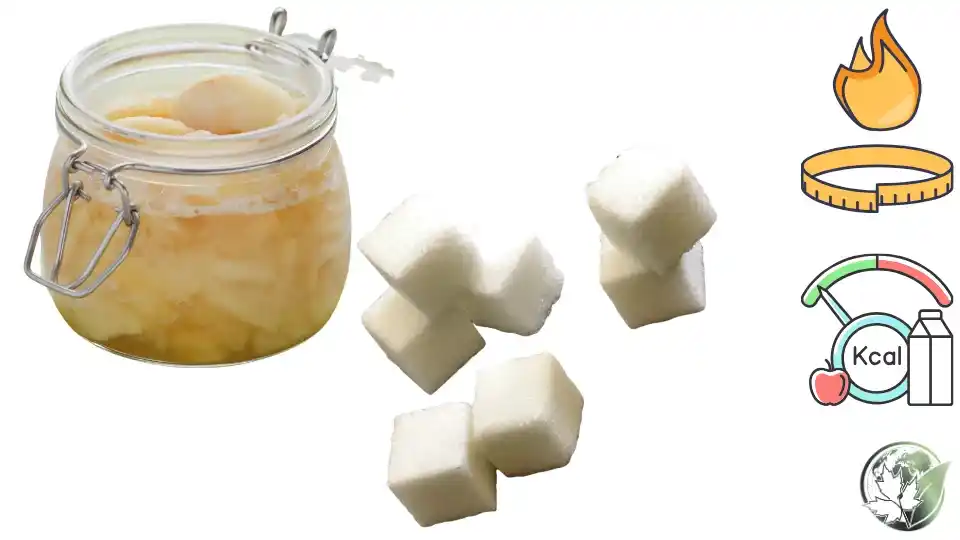
Apple compote makes a lower calorie topping than syrup for oatmeal or yogurt
How to Store Apple Compote Safely
Homemade compote keeps in the refrigerator for about five to seven days in a clean, covered container. For longer storage, freeze it in portions for up to eight months. Thaw in the refrigerator and stir before serving.
Canning is possible with a water bath for high-acid foods such as apples, using sterilized jars and tested recipes. A properly sealed jar lasts a year or more in a cool pantry. Once opened, it should be treated like fresh compote and refrigerated.
Discard any compote that smells fermented, shows mold or has bulging lids. Sugar does help preserve compote, but low-sugar versions spoil faster, so keep them cold and use them promptly.
How Much Sugar Is Safe to Eat Each Day?
The World Health Organization suggests keeping free sugars below 10 percent of daily energy, and ideally below 5 percent. For a 2000 calorie diet, 10 percent is 50 grams, or 12.5 sugar cubes, and 5 percent is 25 grams, or about six cubes. Free sugars include added sugars and those in honey, syrups and fruit juices, but not the sugars naturally contained in whole fruit.
By this measure, unsweetened compote adds very little to your free sugar intake, while sweetened compote adds roughly three to four cubes per 100 grams of added sugar. Counting cubes helps you spot where your daily limit goes. A glass of drinkable compote, a pouch of sweetened apple puree and a spoon of jam can add up to your whole allowance before lunch.
How Does Apple Compote Compare with Jam, Honey and Plain Sugar?
Spreads and toppings are often swapped for each other, so it helps to see them next to compote. Per tablespoon, compote is the lightest by a wide margin because it is mostly fruit and water, while honey and jam are concentrated sugar syrups.
| Topping (1 tablespoon) | Weight | Calories | Sugar cubes of sugar |
|---|---|---|---|
| Unsweetened apple compote | 15 g | 6 kcal | 0.3 |
| Sweetened apple compote | 15 g | 10 kcal | 0.6 |
| Strawberry jam | 20 g | 50 kcal | 3.0 |
| Honey | 21 g | 64 kcal | 4.1 |
| Table sugar | 12.5 g | 48 kcal | 3.1 |
| Maple syrup | 20 g | 52 kcal | 3.3 |
Spooning two tablespoons of sweetened compote onto toast adds about 20 calories, while two tablespoons of jam add about 100 and two of honey about 128. If you currently use jam every morning, switching to compote can save close to 600 calories a week without making breakfast feel any smaller. The texture is looser than jam, so spread it on a thick slice of bread or serve it in a bowl with yogurt rather than expecting it to stay on a thin cracker.
How to Use Apple Compote in Baking to Cut Sugar and Fat
Compote is a favorite swap in baking because it adds moisture and sweetness at the same time. Replacing half the butter or oil in a muffin recipe with unsweetened compote can cut about 400 calories from a 12 muffin batch. Replacing a cup of sugar with a cup of unsweetened compote and adding a little extra flour cuts roughly 400 more calories, though the texture becomes softer and the muffins brown less.
A few practical rules help the results. Use smooth, thick compote rather than a runny one, because extra water makes batters heavy. Reduce other liquids by about a quarter cup for each cup of compote. Add a teaspoon of baking powder if the batter seems dense. Spices such as cinnamon, nutmeg and ginger make up for the sweetness you removed.
Compote is also a good filling for oat bars, crepes and baked oatmeal cups. A crepe filled with two tablespoons of compote has roughly 25 calories of filling, compared with about 100 for the same amount of chocolate spread.
How to Serve Apple Compote to Babies, Kids and Older Adults
Compote is often a first food because it is soft, mild and easy to swallow. For babies starting solids, an unsweetened compote with no added salt or honey is the standard choice, and a spoonful or two is plenty at first. Honey should be avoided before the first birthday, so rely on the natural sweetness of ripe apples instead.
For school-age children, a half cup of unsweetened compote is a sensible snack that provides about 50 calories and roughly 2.6 sugar cubes of natural sugar. Mixing it with plain yogurt turns it into a calcium-rich dessert and keeps the sugar lower than a flavored fruit yogurt cup, which can contain 15 to 20 grams of sugar on its own.
Older adults who struggle with chewing or have a smaller appetite can use compote as a gentle source of energy and fluids. A cup of sweetened compote adds about 167 calories, which can be useful when weight loss is a concern, while unsweetened versions suit people who need to watch sugar. In every case, serve it slightly warm or at room temperature, since very cold fruit can be less appealing and harder to enjoy.
What Spices and Add-Ins Change the Calories in Apple Compote?
Most flavorings are nearly calorie-free. A teaspoon of cinnamon adds about 6 calories, vanilla extract about 12 per teaspoon, and a squeeze of lemon only 3 or 4. Dried fruit is different: a tablespoon of raisins adds about 27 calories and nearly two grams of sugar, so a generous handful can turn a light compote into a sweet one. Nuts and seeds also add up quickly, with a tablespoon of chopped walnuts contributing around 46 calories.
If you want richness without much sugar, stir in a spoonful of plain yogurt or a few drops of almond extract. These touches change the mouthfeel and flavor so you can reduce added sugar without missing it.
Key Takeaways: Apple Compote vs a Sugar Cube
Apple compote has about 42 calories per 100 grams when unsweetened and 68 or more when sweetened. A sugar cube has about 16 calories and 4 grams of sugar. A cup of sweetened compote carries about nine cubes of sugar, and a cup of unsweetened compote about five, most of it naturally present in the fruit.
If you enjoy compote often, choose unsweetened or lightly sweetened versions, measure the portion and flavor it with cinnamon or vanilla. Use the cube method to translate labels into something easy to picture, and your choices will become more consistent.
Frequently Asked Questions
8 questions answered
How many calories are in a cup of apple compote?
A cup of unsweetened apple compote has about 103 calories, while a cup of sweetened compote has about 167 calories.
How many sugar cubes are in apple compote?
Per 100 grams, unsweetened compote has about two cubes of sugar and sweetened compote has about four, using 4 grams of sugar per cube.
How many calories are in one sugar cube?
A standard sugar cube weighs about 4 grams and contains about 16 calories.
Is apple compote healthier than jam?
Usually yes, because compote has more water and fewer calories per 100 grams. Jam is about 250 calories per 100 grams, so it is a much more concentrated source of sugar.
Is unsweetened apple compote low in calories?
Yes. At about 42 calories per 100 grams it is lower than a raw apple by weight, though it contains less fiber and vitamin C.
Can I eat apple compote on a diet?
It can fit if you choose unsweetened or lightly sweetened versions and control portions, especially in place of higher calorie toppings such as syrup.
How many calories are in drinkable apple compote?
A 250 milliliter glass has about 35 calories without sugar and up to 145 calories in a sweet recipe with 120 grams of sugar per liter.
How long does homemade apple compote last?
It keeps for five to seven days in the refrigerator and up to eight months in the freezer.