How Many Calories Are in Tuna in Olive Oil vs Tuna in Water? The Quick Answer
Drained tuna packed in olive oil has about 198 calories per 100 grams. Drained tuna packed in water has about 116 calories per 100 grams, so oil-packed tuna has about 82 more calories, which is roughly 70 percent more. In practical terms, a small can drained (113 grams) holds about 224 calories in oil and 131 in water. If you do not drain the oil, a can of tuna in oil can reach 270 calories or more, and if you pour the oil onto your salad or bread, you can add another 120 to 240 calories.
The two products start with the same fish. The difference lies in what surrounds it. Water-packed tuna is lean and mild, with almost all its calories from protein. Oil-packed tuna is softer, richer and more flavorful, with part of the packing oil absorbed into the flesh. Both are high in protein and low in carbohydrate, and both fit into healthy diets, but the oil makes a clear difference in calories, fat and cost. This guide compares them by 100 grams, by serving and by can, looks at protein, fat, omega-3, sodium and vitamin D, and shows how to drain, rinse and use each type. It includes three comparison tables and an FAQ.
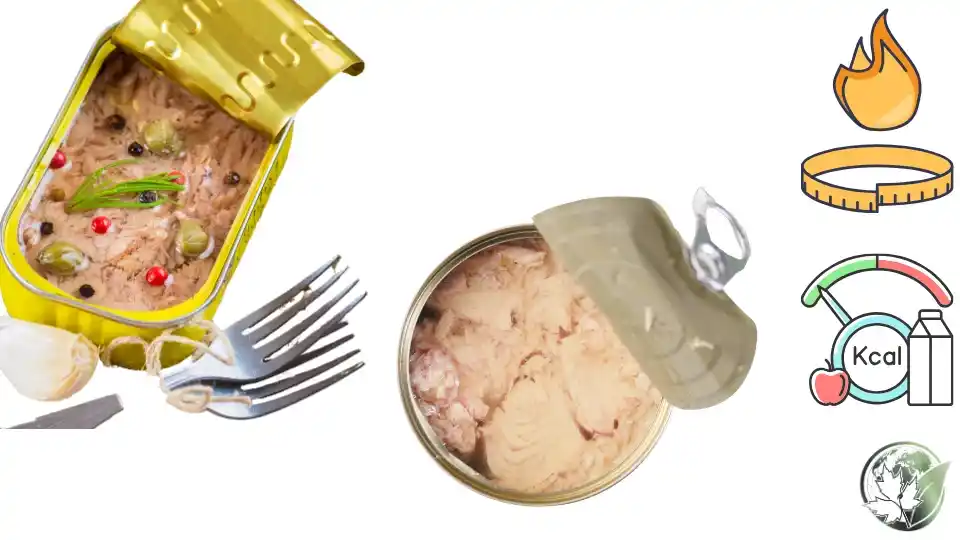
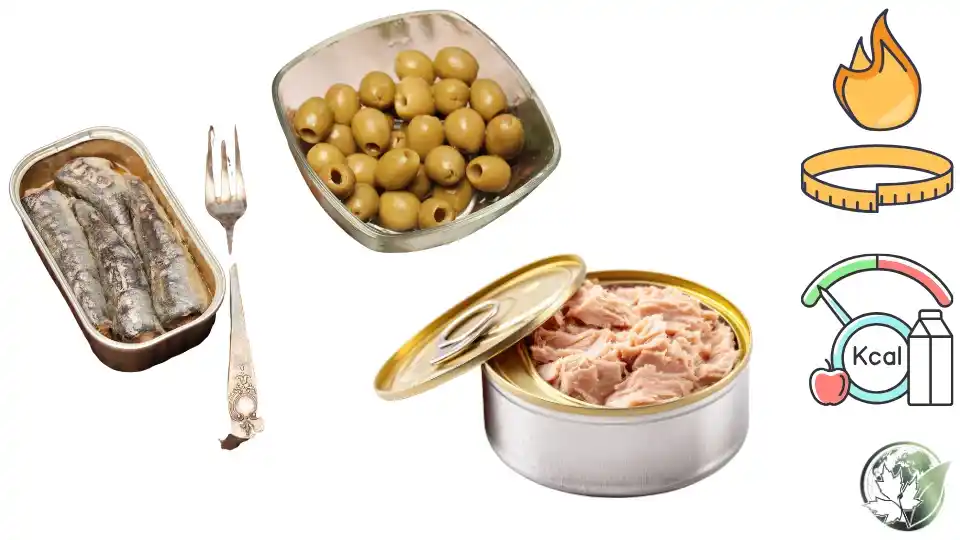
A drained can of tuna in water has about 131 calories, and a drained can in olive oil about 224
How Many Calories Are in Tuna in Water?
Canned light tuna in water, usually skipjack or yellowfin, is one of the leanest protein foods in the supermarket. Draining the water removes some sodium and little else. Albacore (white) tuna in water has more fat and omega-3 than light tuna, so it has slightly more calories.
| Tuna in water | Weight | Calories | Protein | Fat |
|---|---|---|---|---|
| Light, 3 oz drained | 85 g | 99 kcal | 21.7 g | 0.7 g |
| Light, 100 g drained | 100 g | 116 kcal | 25.5 g | 0.8 g |
| Light, 1 small can drained | 113 g | 131 kcal | 28.8 g | 0.9 g |
| Light, 1 large can drained | 170 g | 197 kcal | 43 g | 1.4 g |
| Albacore, 3 oz drained | 85 g | 109 kcal | 20 g | 2.5 g |
| Albacore, 100 g drained | 100 g | 128 kcal | 23.6 g | 3 g |
| Albacore, 1 small can drained | 113 g | 145 kcal | 26.7 g | 3.4 g |
| Light, 1/2 cup flaked | 70 g | 81 kcal | 17.9 g | 0.6 g |
How Many Calories Are in Tuna in Olive Oil?
| Tuna in olive oil | Weight | Calories | Protein | Fat |
|---|---|---|---|---|
| 3 oz drained | 85 g | 168 kcal | 24.8 g | 7 g |
| 100 g drained | 100 g | 198 kcal | 29.1 g | 8.2 g |
| 1 small can drained | 113 g | 224 kcal | 32.9 g | 9.3 g |
| 1 small can with oil | 142 g | 270 kcal | 32.9 g | 15 g |
| 1 large can drained | 170 g | 337 kcal | 49.5 g | 14 g |
| 1/2 cup flaked, drained | 70 g | 139 kcal | 20 g | 5.7 g |
| 1 tablespoon of can oil | 13.5 g | 119 kcal | 0 g | 13.5 g |
| Premium jarred, drained | 100 g | 230 kcal | 26 g | 14 g |
Tuna in Olive Oil vs Tuna in Water: Calories Compared
| Amount | Tuna in olive oil (drained) | Tuna in water (drained) | Difference |
|---|---|---|---|
| 100 g | 198 kcal | 116 kcal | Water -82 |
| 85 g (3 oz) | 168 kcal | 99 kcal | Water -69 |
| 113 g (small can) | 224 kcal | 131 kcal | Water -93 |
| 170 g (large can) | 337 kcal | 197 kcal | Water -140 |
| Small can undrained oil | 270 kcal | 131 kcal | Water -139 |
| Protein per 100 kcal | 14.7 g | 22 g | Water 7.3 g more |
| Fat per 100 g | 8.2 g | 0.8 g | Water 7.4 g less |
| Weight for 200 kcal | 101 g | 172 g | Water 71 g more |
For the same 200 calories, you can eat 172 grams of water-packed tuna but only 101 grams of oil-packed tuna. If you eat two cans a week, the difference is about 190 calories per week, or about 10,000 a year, which equals about three pounds of body fat.
Why Does Tuna in Olive Oil Have More Calories?
Oil packing adds fat, and fat has 9 calories per gram, more than twice the 4 calories per gram of protein. During canning and sterilization, the fish absorbs part of the surrounding oil, and when you drain the can, you remove only the free oil. The oil that sits inside the flesh stays. A small can holds roughly 30 grams of oil in total, of which 15 to 20 drain off and 10 to 15 remain in the fish. That remaining oil is why draining makes the fish less calorie dense, but never as lean as water-packed.
| Component (small can, 142 g total) | Tuna in water | Tuna in olive oil |
|---|---|---|
| Fish (drained weight) | 113 g | 113 g |
| Liquid | 29 g water | 29 g oil |
| Oil retained in fish | 0 g | About 10 g |
| Calories from fish protein | 115 kcal | 115 kcal |
| Calories from retained oil | 0 | 90 kcal |
| Calories in free oil | 0 | 120-240 kcal |
| Total if fully drained | 131 | 224 |
| Total if not drained | 131 | 270+ |
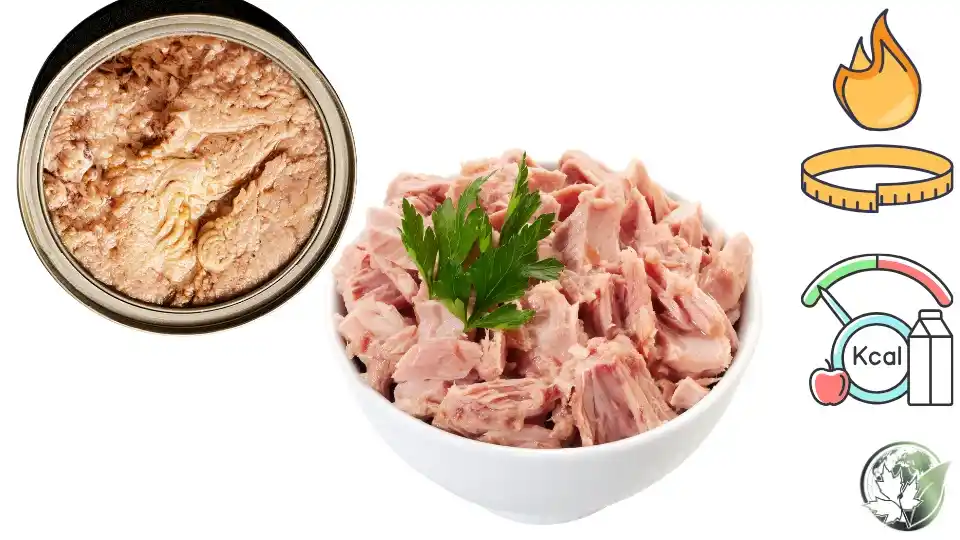
Draining and pressing the fish removes much of the free oil and its calories
Tuna in Olive Oil vs Tuna in Water: Nutrition Compared
| Per 100 g drained | Tuna in olive oil | Light tuna in water | Albacore in water |
|---|---|---|---|
| Calories | 198 kcal | 116 kcal | 128 kcal |
| Protein | 29.1 g | 25.5 g | 23.6 g |
| Fat | 8.2 g | 0.8 g | 3 g |
| Saturated fat | 1.3 g | 0.2 g | 0.8 g |
| Monounsaturated fat | 5.4 g | 0.1 g | 0.9 g |
| Omega-3 (EPA + DHA) | 0.2 g | 0.27 g | 0.86 g |
| Cholesterol | 55 mg | 42 mg | 42 mg |
| Sodium | 354 mg | 247 mg | 377 mg |
| Selenium | 77 mcg | 80 mcg | 76 mcg |
| Vitamin B12 | 2.9 mcg | 2.5 mcg | 1.9 mcg |
| Vitamin D | 5.2 mcg | 4 mcg | 2 mcg |
| Vitamin E | 2.8 mg | 0.3 mg | 0.4 mg |
The numbers differ among brands, species and packing methods. Tuna in oil provides more vitamin E and monounsaturated fat, thanks to the olive oil. Tuna in water has less fat, but also keeps its natural omega-3 within the flesh. Note that when the packing liquid is soybean or sunflower oil rather than olive oil, the profile changes, and omega-3 can be diluted.
Which Has More Calories: Tuna in Olive Oil or Tuna in Water?
Tuna in olive oil has more calories in every comparison, about 70 percent more per 100 grams when drained and as much as 100 percent more per can when the oil is included. Whether the extra calories are worth it depends on your goals. If you are eating to lose weight, tuna in water is the better default. If you are eating to maintain or gain weight, or simply to enjoy the taste, tuna in olive oil is a reasonable choice and adds healthy fats. The key is to know what you are eating and to use the oil mindfully.
| Situation | Better choice | Why |
|---|---|---|
| Calorie deficit | Tuna in water | 93 fewer calories per can |
| High-protein, low-fat plan | Tuna in water | 22 g protein per 100 kcal |
| Need healthy fats | Tuna in olive oil | Monounsaturated fat and vitamin E |
| Dry salads without dressing | Tuna in olive oil | Moister, flavorful |
| Sandwiches with mayo | Tuna in water | Mayo already adds fat |
| Pasta dishes | Tuna in olive oil | Oil replaces added oil |
| Low-sodium diets | Tuna in water (no salt added) | Sodium lower |
| Bulking or maintenance | Either | Calories are not a concern |
Should You Drain the Oil or Water?
Draining is a simple habit. For tuna in water, drain to reduce sodium and avoid a watery salad. For tuna in oil, drain to reduce calories, or keep the oil if you plan to use it as dressing in place of other oil. If you drain oil-packed tuna well and press it with the lid or a fork, you remove 50 to 80 calories from a small can. Rinsing under water removes even more oil, and a bit of flavor. If you keep the oil, count it. One tablespoon of can oil is 119 calories, the same as any olive oil.
| Method | Small can of tuna in oil: calories eaten |
|---|---|
| Eat everything, including oil | 270+ |
| Drain lightly | 245 |
| Drain and press | 224 |
| Drain, press and rinse | 190-200 |
| Use half the oil as dressing | 330 total with salad |
| Tuna in water, drained | 131 |
| Method | Small can of tuna in water: effect |
|---|---|
| Not drained (with water) | 131 calories, 370 mg sodium or more |
| Drained | 131 calories, 287 mg sodium |
| Drained and rinsed | 131 calories, 200 mg sodium |
| Choose no-salt-added | 131 calories, 50 mg sodium |
Is Tuna in Olive Oil Healthier Than Tuna in Water?
It depends on what you value. Olive oil contains monounsaturated fat and polyphenols, and the Mediterranean dietary pattern that relies on olive oil is linked with heart health. Oil-packed tuna can be more flavorful and satisfying, which may help you eat less of other fatty foods such as mayonnaise. Water-packed tuna is the lean choice, with fewer calories and fat, and it retains more of its natural omega-3 because no oil dilutes it. Both provide protein, selenium, vitamin B12 and vitamin D. The extra fat in oil-packed tuna is mostly healthy, but it is still extra calories. For most people, either one is a healthy choice in moderation.
| Factor | Tuna in water | Tuna in olive oil |
|---|---|---|
| Calories | Lower | Higher |
| Fat quality | Natural fish fat | Olive oil adds monounsaturated fat |
| Omega-3 | Retained | Slightly diluted if the oil is drained |
| Texture | Dry, firm | Moist, tender |
| Taste | Mild, fishy | Rich, mellow |
| Sodium | Lower | Often higher |
| Price | Lower | Higher |
| Best use | Salads with dressing, sandwiches | Salads, pasta, tapas, bowls |
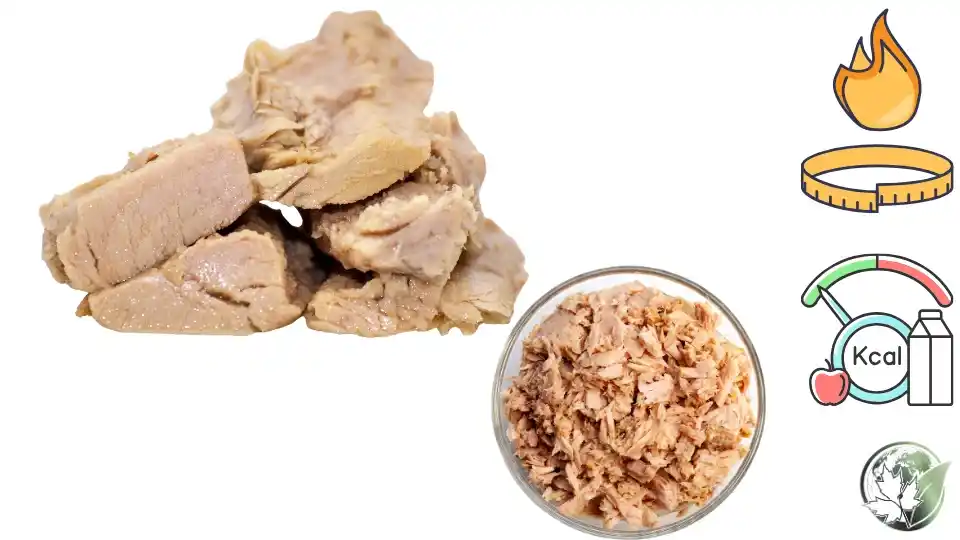
Olive oil packed tuna can replace part of the dressing in a Mediterranean salad
How Much Mercury Is in Canned Tuna?
Mercury depends on the type of tuna, not on whether it is packed in oil or water. Light tuna (skipjack) has about 0.12 parts per million of mercury, while albacore has about 0.35 and bigeye much more. Health agencies suggest that most adults can eat light tuna two or three times a week, and should limit albacore to once a week. Pregnant and breastfeeding women and young children should follow local guidance, usually about two servings of light tuna a week and less albacore. Choosing smaller species and varying fish types reduces exposure.
| Type | Mercury (ppm, approx.) | Suggested frequency (adults) |
|---|---|---|
| Light (skipjack) | 0.12 | 2-3 servings a week |
| Albacore (white) | 0.35 | 1 serving a week |
| Yellowfin | 0.35 | 1 serving a week |
| Bigeye | 0.69 | Avoid or rarely |
| Sardines | 0.02 | Several a week |
| Salmon | 0.02 | 2-3 servings a week |
How Do You Use Each Type in the Kitchen?
Tuna in water works best in recipes that have their own fat and flavor: sandwiches with a bit of mayonnaise or yogurt, salads with a dressing, casseroles, patties and fish cakes. Tuna in oil shines in simple dishes where its flavor can be tasted: with white beans and onion, pasta with garlic, tomato salad, or on toast with lemon. Both can be mixed with chickpeas, cucumbers, olives and herbs. The oil from the can can be used in the dressing, reducing the added oil.
| Recipe | Tuna type | Calories (1 serving) |
|---|---|---|
| Tuna salad sandwich | Water + 1 tbsp mayo + 2 slices bread | 360 |
| Tuna and white bean salad | Oil, drained + 1/2 cup beans | 400 |
| Tuna pasta with tomatoes | Oil + 1 cup pasta | 510 |
| Tuna patties (2) | Water + egg + breadcrumbs | 230 |
| Salad Nicoise (no potatoes) | Oil + egg + olives + greens | 380 |
| Tuna stuffed avocado | Water + half avocado | 290 |
| Tuna rice bowl | Water + 3/4 cup rice + vegetables | 420 |
| Tuna on toast with lemon | Oil, drained + 1 slice | 295 |
What Should You Look for on the Label?
A quick label check helps you buy the right can. Look at the net weight and the drained weight, the packing liquid (water, olive oil, soybean oil or brine), the species (skipjack, yellowfin, albacore), the sodium per serving and whether the fish is pole and line caught if sustainability matters. Note that the calories per serving on the label may be listed for the whole contents, drained or not, depending on the brand. Some "olive oil" tuna is packed in a blend, and some labeled "in vegetable oil" uses soybean or sunflower oil, with a different fat profile.
| Label item | What to check | Why it matters |
|---|---|---|
| Packing liquid | Olive oil, water, brine | Calories and fat |
| Drained weight | Often 70-80% of net weight | Actual fish you eat |
| Calories per serving | Drained or undrained? | Avoid miscounting |
| Species | Skipjack, yellowfin, albacore | Mercury, taste |
| Sodium | Under 300 mg per serving | Blood pressure |
| Ingredients | Tuna, oil, salt | Fewer additives |
| Catch method | Pole and line, FAD-free | Sustainability |
Which Costs Less per Gram of Protein?
Tuna in water is usually cheaper than tuna in olive oil, sometimes by half, and it also provides more protein per calorie. Oil-packed tuna, especially jarred premium cuts, can cost two or three times as much as light tuna in water. For a budget-conscious high-protein diet, water-packed tuna is the efficient choice. For flavor and special dishes, a small amount of oil-packed tuna can be worth the extra cost. Prices vary by country, brand and season, so the table below uses relative cost levels.
| Product | Relative price | Protein per can (drained) | Cost per 20 g of protein (relative) |
|---|---|---|---|
| Light tuna in water | 1.0x | 28.8 g | 0.7x |
| Albacore in water | 1.6x | 26.7 g | 1.2x |
| Light tuna in olive oil | 1.5x | 32.9 g | 0.9x |
| Premium jarred tuna in olive oil | 3.5x | 29 g | 2.4x |
| Tuna pouch, flavored | 1.8x | 19 g | 1.9x |
| Chicken breast, cooked | 1.2x | 53 g (one breast) | 0.5x |
The cheapest source of protein per calorie and per dollar in this group is usually water-packed light tuna or chicken breast, followed by oil-packed tuna.
How Does Tuna in Olive Oil Fit Into a Balanced Day?
A balanced day does not need to avoid oil-packed tuna. A can of tuna in olive oil (224 calories drained) fits easily into a 1,800 to 2,200 calorie plan as a lunch protein, together with salad, bread or beans. The same can in water (131 calories) leaves room for extra olive oil, nuts or avocado, which spread the fat more evenly through the day. The best plan depends on how much fat you already eat and how you like your food.
| Lunch | Tuna type | Total calories | Protein |
|---|---|---|---|
| Tuna, tomato, cucumber, 1 tbsp olive oil, lemon | Water | 270 | 31 g |
| Tuna, tomato, cucumber, lemon | Oil, drained | 280 | 34 g |
| Tuna, white beans, onion, parsley | Oil, drained | 400 | 45 g |
| Tuna, white beans, onion, parsley, 1 tsp oil | Water | 330 | 39 g |
| Tuna sandwich, whole wheat, light mayo | Water | 350 | 38 g |
| Tuna sandwich, whole wheat, no mayo | Oil, drained | 380 | 41 g |
| Tuna with rice and salad | Water | 400 | 36 g |
As the table shows, a salad of water-packed tuna with a tablespoon of olive oil has nearly the same calories as the oil-packed version drained. The difference is that you control the oil you add, rather than relying on what the cannery used.
Can You Make Your Own Oil-Packed Tuna Lighter at Home?
If you cook fresh tuna steaks or buy jars of tuna belly, you can control the oil yourself. Poach the fish gently in a small amount of olive oil with herbs, then drain and store it. Using 1 tablespoon of oil per 100 grams of fish gives you the flavor and softness of oil-packed tuna for about 40 percent fewer added calories than a typical can. Another trick is to mix tuna in water with a teaspoon of olive oil, lemon juice and garlic, which gives the same aroma for 40 calories.
| Home approach | Added oil | Calories per 100 g of fish |
|---|---|---|
| Canned in water + 1 tsp olive oil | 4.5 g | 156 |
| Canned in water + 1 tbsp olive oil | 13.5 g | 235 |
| Canned in oil, drained | Absorbed | 198 |
| Poached fresh tuna in 1 tbsp oil per 100 g | 13.5 g | 250 |
| Seared fresh tuna, 1 tsp oil | 4.5 g | 179 |
| Tuna in water with yogurt dressing | - | 150 |
Quick Decision Guide: Oil or Water?
If you are unsure which can to reach for, use a simple rule. Choose water when the tuna will be mixed with mayonnaise, dressing, cheese or other fatty ingredients, when you are counting calories closely, or when you want the most protein per calorie. Choose olive oil when the tuna is the star of the dish, when you will eat it plain on bread, beans or pasta, or when you need extra calories and healthy fat. In both cases, drain well, check sodium and vary your fish through the week.
| Your priority | Pick | Tip |
|---|---|---|
| Lowest calories | Water | Drain and rinse |
| Highest protein per calorie | Water | Choose light tuna |
| Best flavor and texture | Olive oil | Drain and press |
| Heart-healthy fats | Olive oil | Keep portions to one can |
| Lowest sodium | Water, no salt added | Rinse before use |
| Lowest mercury | Light (skipjack) in either | Avoid frequent albacore |
| Lowest cost | Water | Buy larger cans |
| Mediterranean cooking | Olive oil | Use the oil in dressing |
Whichever you choose, the larger lesson is the same as with every food comparison in this series: look at the portion, the preparation and the rest of the plate, because they shape your calories more than any single label.
Key Takeaways: Tuna in Olive Oil vs Tuna in Water Calories
Drained tuna in olive oil has about 198 calories per 100 grams, and tuna in water about 116. A small drained can has 224 calories in oil and 131 in water, and up to 270 if the oil is not drained. Water-packed tuna is the leaner, cheaper choice with more protein per calorie. Oil-packed tuna is richer and gives monounsaturated fat and vitamin E. Drain and press oil-packed tuna, count any oil you keep, and choose by your goals and taste.
Frequently Asked Questions
6 questions answered
How many calories are in a can of tuna in water?
About 131 for a small can drained.
How many calories are in a can of tuna in olive oil?
About 224 drained, and 270 or more with the oil.
How many more calories does tuna in oil have?
About 82 per 100 g, or roughly 93 per small can.
Should I drain tuna in oil?
Yes, if you want fewer calories.
Which has more protein per calorie?
Tuna in water, about 22 g per 100 kcal.
Is tuna in olive oil bad for weight loss?
Not bad, but it has more calories, so measure it.