How Many Calories Are in Pistachio Kernels vs Walnuts? The Quick Answer
Shelled pistachio kernels have about 560 calories per 100 grams. An ounce (28 grams), roughly 49 kernels, has 159 calories. Walnuts have about 654 calories per 100 grams, and an ounce, about 14 halves or 7 whole nuts, has 185. So pistachios are about 14 percent lower in calories per weight, and a single kernel has only about 3.2 calories compared with 13 for a walnut half. The reason is fat: walnuts are 65 percent fat, while pistachios are 45 percent, and fat has 9 calories per gram against 4 for protein and carbohydrate.
Both nuts are highly nutritious. Pistachios offer more protein, fiber, potassium and vitamin B6 per ounce, and more nuts for the calories, which helps portion control. Walnuts are the richest nut in plant omega-3 fat (alpha-linolenic acid) and in polyphenols. This guide compares pistachio kernels and walnuts per nut, per ounce and per 100 grams, looks at fats, protein, fiber, vitamins and minerals, and offers tips for weight, heart health and cooking, with three comparison tables and an FAQ.
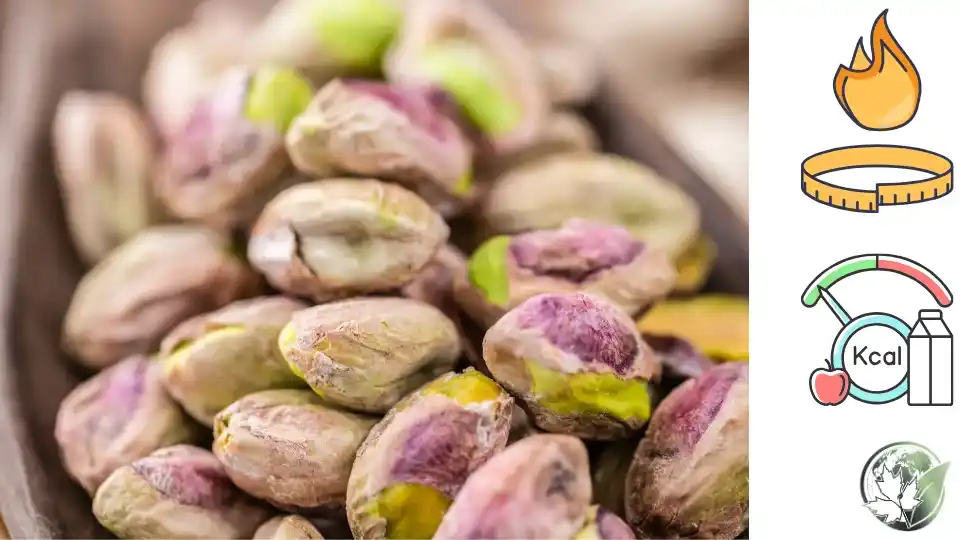
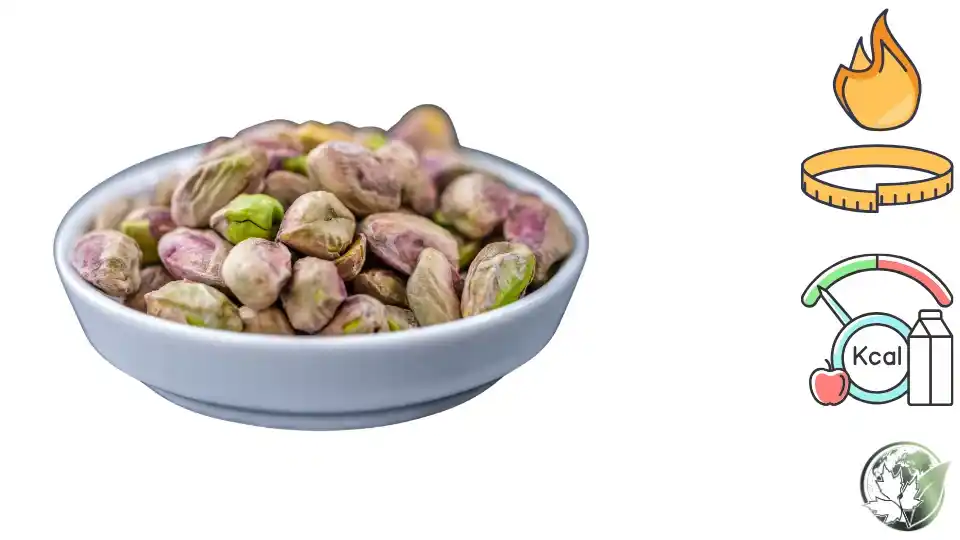
An ounce of pistachio kernels fills a small bowl with 49 nuts, while an ounce of walnuts is only 14 halves
How Many Calories Are in Pistachio Kernels?
| Pistachio kernels | Weight | Calories | Fat | Protein |
|---|---|---|---|---|
| 1 kernel | 0.57 g | 3.2 kcal | 0.26 g | 0.11 g |
| 10 kernels | 5.7 g | 32 kcal | 2.6 g | 1.1 g |
| 25 kernels | 14 g | 78 kcal | 6.3 g | 2.8 g |
| 1 ounce (49 kernels) | 28 g | 159 kcal | 12.6 g | 5.7 g |
| 1/4 cup | 31 g | 174 kcal | 14 g | 6.2 g |
| 1/2 cup | 62 g | 347 kcal | 28 g | 12.4 g |
| 1 cup | 123 g | 689 kcal | 55 g | 25 g |
| 100 g | 100 g | 560 kcal | 45 g | 20 g |
| Roasted, salted, 1 ounce | 28 g | 162 kcal | 13 g | 6 g |
| Pistachio butter, 1 tbsp | 16 g | 92 kcal | 7.4 g | 3.2 g |
How Many Calories Are in Walnuts?
| Walnuts | Weight | Calories | Fat | Protein |
|---|---|---|---|---|
| 1 half | 2 g | 13 kcal | 1.3 g | 0.3 g |
| 1 whole nut (2 halves) | 4 g | 26 kcal | 2.6 g | 0.6 g |
| 7 whole nuts (14 halves) | 28 g | 185 kcal | 18.5 g | 4.3 g |
| 1/4 cup, chopped | 29 g | 190 kcal | 19 g | 4.5 g |
| 1/2 cup, halves | 50 g | 327 kcal | 32.7 g | 7.6 g |
| 1 cup, halves | 100 g | 654 kcal | 65 g | 15 g |
| 100 g | 100 g | 654 kcal | 65 g | 15 g |
| Roasted, 1 ounce | 28 g | 190 kcal | 19.5 g | 4.5 g |
| Walnut butter, 1 tbsp | 16 g | 105 kcal | 10.5 g | 2.4 g |
Pistachio Kernels vs Walnuts: Calories Compared
| Amount | Pistachio kernels | Walnuts | Difference |
|---|---|---|---|
| 1 nut | 3.2 kcal | 13 kcal (half) | - |
| 10 g | 56 kcal | 65 kcal | Pistachios -9 |
| 28 g (1 oz) | 159 kcal | 185 kcal | Pistachios -26 |
| 50 g | 280 kcal | 327 kcal | Pistachios -47 |
| 100 g | 560 kcal | 654 kcal | Pistachios -94 |
| 100 kcal | 18 g (31 kernels) | 15 g (7 halves) | - |
| Protein per 100 kcal | 3.6 g | 2.3 g | Pistachios higher |
| Nuts per 100 kcal | 31 | 7.7 halves | Pistachios more |
For 100 calories, you get about 31 pistachio kernels or about 7 walnut halves, so pistachios fill the hand and take longer to eat.
Pistachio Kernels vs Walnuts: Nutrition Compared
| Per 100 g (raw) | Pistachios | Walnuts |
|---|---|---|
| Calories | 560 kcal | 654 kcal |
| Total fat | 45 g | 65 g |
| Saturated fat | 5.4 g | 6.1 g |
| Monounsaturated fat | 24 g | 9 g |
| Polyunsaturated fat | 14 g | 47 g |
| Omega-3 (ALA) | 0.25 g | 9 g |
| Protein | 20 g | 15 g |
| Carbohydrate | 28 g | 14 g |
| Fiber | 10 g | 6.7 g |
| Sugar | 7.7 g | 2.6 g |
| Potassium | 1,025 mg | 441 mg |
| Vitamin B6 | 1.7 mg | 0.5 mg |
| Magnesium | 121 mg | 158 mg |
| Copper | 1.3 mg | 1.6 mg |
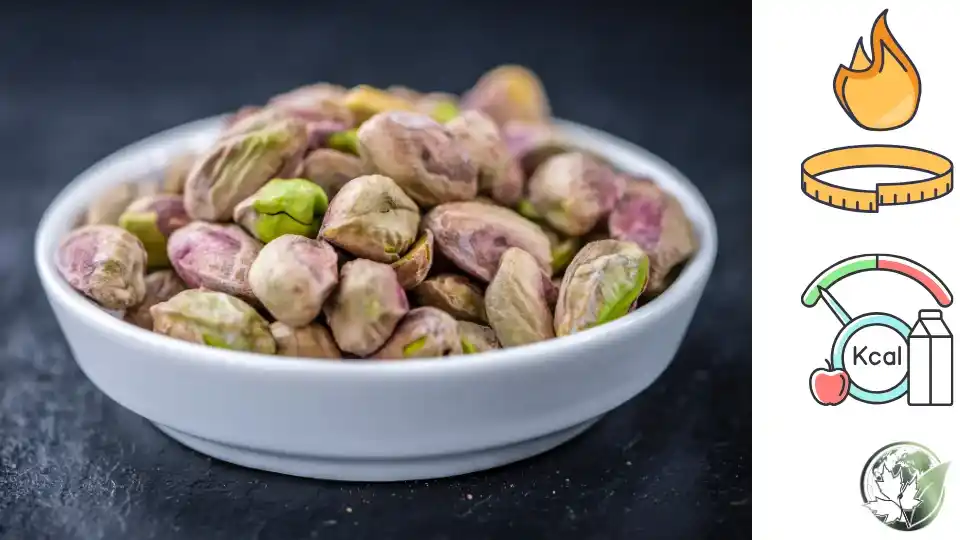
Walnuts supply nine grams of omega-3 per 100 grams, about thirty-six times the amount in pistachios
Which Has More Calories: Pistachio Kernels or Walnuts?
Walnuts do: 654 against 560 per 100 grams, and 185 against 159 per ounce. The gap is 26 calories per ounce, or 14 percent. Walnuts are the highest-calorie common nut apart from pecans and macadamias, thanks to their fat. On the other hand, a single walnut half has 13 calories while a pistachio has only 3, so eating a handful of 14 walnut halves versus 49 pistachios gives similar volume satisfaction at different energy levels.
| Comparison | Pistachios | Walnuts | Verdict |
|---|---|---|---|
| Calories per 100 g | 560 | 654 | Pistachios lower |
| Calories per ounce | 159 | 185 | Pistachios lower |
| Protein per ounce | 5.7 g | 4.3 g | Pistachios higher |
| Fiber per ounce | 2.9 g | 1.9 g | Pistachios higher |
| Omega-3 per ounce | 0.07 g | 2.5 g | Walnuts higher |
| Nuts per ounce | 49 | 14 halves | Pistachios more |
Are Pistachios or Walnuts Healthier?
Both are excellent. Walnuts are unique for their omega-3 content, which supports heart and brain health, and for polyphenols such as ellagitannins. Several large trials link walnut intake with lower LDL cholesterol and improved blood vessel function. Pistachios have more protein, fiber, potassium and vitamin B6, along with the antioxidants lutein and zeaxanthin, uncommon in nuts, which support eye health. They also have a lower glycemic impact in some trials. Eating both over the week provides the full range.
| Factor | Pistachios | Walnuts |
|---|---|---|
| Omega-3 | Low | Highest among nuts |
| Protein | Higher | Moderate |
| Fiber | Higher | Moderate |
| Potassium | Very high | Moderate |
| Lutein and zeaxanthin | Yes | Minimal |
| Polyphenols | Yes | Very high |
| Calories per ounce | 159 | 185 |
Which Is Better for Weight Loss?
Pistachios are often considered the better nut for weight control. Their lower calories per ounce, high protein and fiber promote fullness, and shelling in-shell pistachios slows eating, reducing intake by up to 40 percent in one study. Walnuts also support weight management: trials show that eating walnuts daily doesn't lead to weight gain and can improve appetite regulation. Portion control is key: 28 grams of either gives 159 to 185 calories.
| Strategy | Pistachios | Walnuts |
|---|---|---|
| Calories per ounce | 159 | 185 |
| Protein per 100 kcal | 3.6 g | 2.3 g |
| Eating speed | Slow if in shell | Fast |
| Visual portion | 49 kernels | 14 halves |
| Best use | Snack | Cooking, topping |
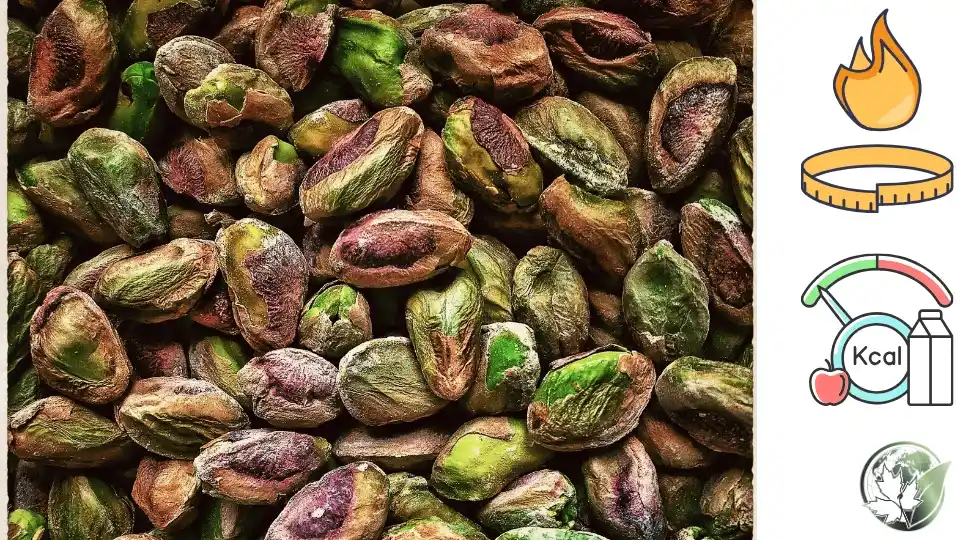
A tablespoon of chopped nuts adds crunch and flavor to salads for 50 to 55 calories
Do Pistachios and Walnuts Help Lower Cholesterol and Protect the Heart?
Both do. Studies show that eating 30 to 60 grams of walnuts daily lowers LDL cholesterol by 5 to 10 percent, and the omega-3 fats may reduce inflammation and blood pressure. Pistachios reduce LDL by a similar amount and improve HDL in some trials. The unsaturated fats, fiber and plant sterols in both nuts are responsible. Regulators in the United States allow a qualified health claim that eating 1.5 ounces of nuts daily, as part of a diet low in saturated fat, may reduce heart disease risk.
| Study dose | Nut | Typical effect |
|---|---|---|
| 30-60 g a day | Walnuts | LDL -5 to -10% |
| 42-85 g a day | Pistachios | LDL -5 to -9% |
| 1.5 oz a day | Mixed nuts | Lower heart disease risk |
| 2 oz walnuts | Walnuts | Better blood vessel function |
| Pistachios in a Mediterranean diet | Pistachios | Better blood pressure |
How Do Raw, Roasted and Salted Compare?
Dry roasting changes calories very little. Pistachio kernels sold roasted and salted have about 162 calories per ounce, and 150 to 300 milligrams of sodium. Walnuts are rarely salted, but they can be candied, sugar-coated or oil roasted. Candied walnuts can have 50 to 100 percent more calories per ounce. Raw is the simplest choice, and dry roasting at low heat brings out flavor without reducing the omega-3 fats too much, although high heat can damage them.
| Form (1 oz) | Pistachios | Walnuts |
|---|---|---|
| Raw | 159 kcal | 185 kcal |
| Dry roasted | 161 kcal | 190 kcal |
| Roasted and salted | 162 kcal, 150 mg sodium | 190 kcal |
| Oil roasted | 165 kcal | 195 kcal |
| Candied or coated | 190 kcal | 230 kcal |
| In-shell weight (28 g kernels) | About 50 g with shells | About 60 g with shells |
How Should You Use Pistachio Kernels and Walnuts in Cooking?
Pistachio kernels give color and a delicate flavor to desserts such as baklava, ice cream, cakes and rice dishes, and to savory crusts for fish and chicken. Walnuts are the classic nut for baking, brownies, banana bread, salads, pesto and Persian dishes like fesenjan. A tablespoon of chopped pistachios has 50 calories and a tablespoon of chopped walnuts has 48. Toast lightly to bring out the oils. Use sparingly as a topping to boost flavor without a large calorie increase.
| Dish | Nut amount | Calories added |
|---|---|---|
| Salad topping | 1 tbsp chopped walnuts | 48 kcal |
| Yogurt topping | 1 tbsp chopped pistachios | 50 kcal |
| Oatmeal | 2 tbsp walnuts | 96 kcal |
| Fish crust | 2 tbsp ground pistachios | 100 kcal |
| Pesto | 1/4 cup walnuts | 190 kcal |
| Baklava piece | 15 g nuts | 90 kcal |
What Vitamins and Minerals Do You Get in an Ounce?
An ounce of pistachio kernels provides about 285 milligrams of potassium (6 percent of the daily value), 0.5 milligrams of vitamin B6 (29 percent), 0.4 milligrams of thiamin and 0.4 milligrams of copper. An ounce of walnuts provides about 124 milligrams of potassium, 45 milligrams of magnesium (11 percent), 0.5 milligrams of copper (53 percent) and 0.4 milligrams of manganese. Neither contains much calcium, but both supply plant protein and healthy fats that help the absorption of fat-soluble vitamins from vegetables eaten alongside them.
| Per ounce (28 g) | Pistachios | Walnuts | Daily value |
|---|---|---|---|
| Potassium | 285 mg | 124 mg | 3,400 mg |
| Vitamin B6 | 0.5 mg | 0.15 mg | 1.7 mg |
| Magnesium | 34 mg | 45 mg | 400 mg |
| Copper | 0.4 mg | 0.45 mg | 0.9 mg |
| Manganese | 0.35 mg | 1 mg | 2.3 mg |
| Phosphorus | 139 mg | 98 mg | 700 mg |
| Thiamin | 0.24 mg | 0.1 mg | 1.2 mg |
| Folate | 14 mcg | 28 mcg | 400 mcg |
What Is Special About the Fats in Walnuts and Pistachios?
Pistachios are mostly monounsaturated fat (24 grams per 100 grams), the same type found in olive oil, with moderate polyunsaturated fat. Walnuts are dominated by polyunsaturated fat (47 grams per 100 grams), including 9 grams of omega-3 alpha-linolenic acid and 38 grams of omega-6 linoleic acid. The body converts a small share of ALA into EPA and DHA, the omega-3 fats found in fish, but the benefit seems mainly to come from ALA itself. Because polyunsaturated fats oxidize easily, walnuts go rancid faster than pistachios and should be stored cold.
| Fat type (per 100 g) | Pistachios | Walnuts |
|---|---|---|
| Monounsaturated | 24 g | 9 g |
| Polyunsaturated | 14 g | 47 g |
| Omega-6 | 13.7 g | 38 g |
| Omega-3 (ALA) | 0.25 g | 9 g |
| Saturated | 5.4 g | 6.1 g |
| Cholesterol | 0 mg | 0 mg |
| Plant sterols | 214 mg | 72 mg |
How Do Pistachios and Walnuts Affect Blood Sugar?
Both nuts have a very low glycemic index, around 15 to 25, because they contain little carbohydrate and plenty of fat, protein and fiber. Pistachios have 8 grams of carbohydrate per ounce (2.9 of which is fiber), walnuts 4 grams (1.9 of fiber). Studies show that adding pistachios to a high-carbohydrate meal can reduce the blood glucose spike, and daily pistachio consumption has improved fasting glucose in people with prediabetes. Walnuts improve insulin sensitivity in some trials. Both are suitable for people with diabetes in measured portions.
| Per ounce | Pistachios | Walnuts |
|---|---|---|
| Carbohydrate | 7.9 g | 3.9 g |
| Fiber | 2.9 g | 1.9 g |
| Net carbohydrate | 5 g | 2 g |
| Sugar | 2.2 g | 0.7 g |
| Glycemic index | About 15 | About 15 |
| Glycemic load | 1 | 0.5 |
Which Is Better for the Brain and Eyes?
Walnuts are often called a brain food, since their shape is suggestive but also because ALA, vitamin E, folate and polyphenols are linked to better cognition in older adults in observational studies and a few trials. Pistachios are among the few nuts with measurable lutein and zeaxanthin, pigments that accumulate in the retina and may reduce the risk of age-related macular degeneration, though the amounts are modest. Combining both nuts in your weekly diet is a reasonable strategy.
| Nutrient | Pistachios (1 oz) | Walnuts (1 oz) | Linked benefit |
|---|---|---|---|
| ALA omega-3 | 0.07 g | 2.5 g | Heart and brain |
| Lutein and zeaxanthin | 405 mcg | 0 mcg | Eyes |
| Polyphenols | Moderate | Very high | Antioxidant |
| Vitamin B6 | 0.5 mg | 0.15 mg | Nerves, mood |
| Folate | 14 mcg | 28 mcg | Brain development |
How Many Pistachios and Walnuts Make a Serving?
A standard serving is 28 grams: 49 pistachio kernels or 14 walnut halves. Many people eat in-shell pistachios, where the shells make up roughly 45 percent of the weight, so 50 grams of in-shell nuts contains 28 grams of kernels. Using a measuring cup, 1/4 cup of shelled pistachios is about 31 grams, and 1/4 cup of chopped walnuts about 29 grams. For children, half a serving is plenty.
| Serving | Pistachios | Walnuts |
|---|---|---|
| Small (half serving) | 25 kernels, 80 kcal | 7 halves, 93 kcal |
| Standard (1 oz) | 49 kernels, 159 kcal | 14 halves, 185 kcal |
| Quarter cup | 174 kcal | 190 kcal |
| Large handful (50 g) | 280 kcal | 327 kcal |
| Meal topping (2 tbsp) | 100 kcal | 96 kcal |
How Do In-Shell and Shelled Nuts Differ in Price and Calories?
Shelled pistachio kernels cost two to three times more per gram of edible nut than in-shell pistachios, since you pay for the labor of shelling. Calories per gram of kernel are identical, but the shell lowers calories per 100 grams of the whole product, to about 300, and slows eating. Walnuts follow a similar pattern, as the shell is about 55 to 60 percent of the weight. Buy in-shell for snacking and use shelled kernels for cooking and baking, where convenience matters. Check the label for whether the weight includes the shell.
| Form | Edible portion | Calories per 100 g of product | Price per 100 g of kernel |
|---|---|---|---|
| Shelled pistachio kernels | 100% | 560 kcal | High |
| In-shell pistachios | 55% | 308 kcal | Medium |
| Shelled walnuts | 100% | 654 kcal | High |
| In-shell walnuts | 42% | 275 kcal | Lower |
Are There Allergy and Safety Issues With These Nuts?
Pistachios and cashews are botanical relatives, and people allergic to cashews often react to pistachios. Walnut allergy is one of the most common tree nut allergies and tends to be severe, with cross-reactivity to pecans. Anyone with a tree nut allergy should avoid both unless an allergist has cleared specific nuts. Whole nuts are a choking hazard for children under four. Pistachios, like other nuts, can carry aflatoxin if stored in damp conditions, so buy from reliable sources and discard moldy or bitter ones.
| Concern | Pistachios | Walnuts |
|---|---|---|
| Tree nut allergy | Yes, cross-reacts with cashew | Yes, cross-reacts with pecan |
| Choking in young children | Yes | Yes |
| Mold and aflatoxin risk | Possible if damp | Possible if damp |
| Oxalate content | Moderate | Moderate |
| Salt (roasted salted) | 150-300 mg per oz | Low |
How Should You Store Pistachios and Walnuts?
Keep shelled nuts in airtight containers. Pistachios stay fresh for about three months in the pantry, six months in the refrigerator and a year in the freezer. Walnuts, because of their high polyunsaturated fat, turn rancid faster: two to three months in the pantry, six months in the fridge and a year in the freezer. In-shell nuts last about twice as long. A sharp, bitter or paint-like smell, or a shriveled texture, indicates rancidity. Bring cold nuts to room temperature before eating for best flavor.
| Storage | Pistachios | Walnuts |
|---|---|---|
| Pantry, shelled | 3 months | 2-3 months |
| Refrigerator, shelled | 6 months | 6 months |
| Freezer, shelled | 12 months | 12 months |
| Pantry, in shell | 6 months | 4-6 months |
| Freezer, in shell | 24 months | 24 months |
What Are Good Combinations of Pistachios and Walnuts?
Mix them in equal parts for a snack with a broad range of nutrients: 14 pistachios and 7 walnut halves give about 170 calories, 5 grams of protein and 2.4 grams of fiber. Sprinkle the mix on salads, yogurt or roasted vegetables. Combine with dried apricots and a few dark chocolate chips for a homemade trail mix. Bake into banana bread or granola in small amounts. The colors, green and tan, make dishes look appealing.
| Mix (28 g) | Calories | Protein | Fiber |
|---|---|---|---|
| Pistachios only | 159 kcal | 5.7 g | 2.9 g |
| Walnuts only | 185 kcal | 4.3 g | 1.9 g |
| Half and half | 172 kcal | 5 g | 2.4 g |
| With 10 g dried apricots | 195 kcal | 5.3 g | 3.5 g |
| With 10 g dark chocolate | 230 kcal | 6 g | 3.3 g |
Can Pistachios and Walnuts Be Part of a Weight-Loss Plan?
Yes. Controlled trials found that people who eat 42 to 56 grams of pistachios daily for 12 weeks do not gain weight, and may lose slightly more than those who skip nuts, partly because the nuts reduce hunger. Walnuts reduce appetite through their effect on brain regions involved in hunger signaling, according to a small imaging study. A daily ounce adds 159 to 185 calories, which you should offset by cutting a similar amount, such as a pastry or sweet drink. Eating them as the main snack instead of chips or crackers is the best swap.
| Swap | Original | Calories | Replacement | Calories |
|---|---|---|---|---|
| Afternoon chips | 28 g potato chips | 152 kcal | 28 g pistachios | 159 kcal |
| Pastry | Croissant | 230 kcal | 28 g walnuts + apple | 270 kcal |
| Crackers and cheese | 6 crackers, cheese | 200 kcal | 28 g pistachios | 159 kcal |
| Candy bar | 1 bar (45 g) | 230 kcal | 14 pistachios + 5 walnut halves | 130 kcal |
| Cookie | 2 cookies | 160 kcal | 20 pistachios | 65 kcal |
What Is the Verdict?
If you want the lower-calorie nut with more protein, fiber and potassium and the satisfaction of eating many small kernels, choose pistachios. If your priority is plant omega-3 and polyphenols for heart and brain health, choose walnuts. For most people, the best approach is to enjoy both, one or the other each day, in a small handful of about one ounce, and to treat them as part of a healthy pattern that also includes vegetables, fruit, whole grains and legumes.
| Goal | Better choice | Reason |
|---|---|---|
| Fewest calories | Pistachios | 159 vs 185 per oz |
| Most protein | Pistachios | 5.7 g vs 4.3 g per oz |
| Most omega-3 | Walnuts | 2.5 g vs 0.07 g per oz |
| Most potassium | Pistachios | 285 mg vs 124 mg per oz |
| Best for baking | Walnuts | Rich flavor, structure |
| Best for slow snacking | Pistachios in shell | Shelling slows eating |
Key Takeaways: Pistachio Kernels vs Walnuts Calories
Pistachio kernels have about 560 calories per 100 grams and 159 per ounce, walnuts 654 and 185. Pistachios are lower in calories and higher in protein, fiber and potassium, while walnuts supply omega-3. Eat both in handfuls of about an ounce.
Frequently Asked Questions
6 questions answered
Do pistachios have fewer calories than walnuts?
Yes, 560 against 654 per 100 grams.
How many calories are in 10 pistachio kernels?
About 32.
How many calories are in 7 walnuts?
About 185, 14 halves.
Which nut has more protein?
Pistachios, 20 grams per 100 grams.
Which has more omega-3?
Walnuts, about 9 grams per 100 grams.
Which is better for weight loss?
Pistachios, thanks to fewer calories and slower eating.