How Many Calories Are in a Serving of Sugar vs Artificial Sweetener? The Quick Answer
A standard serving of sugar is one teaspoon (4.2 grams), which has about 16 calories. A standard serving of an artificial sweetener, usually one packet, drop or tablet, has between 0 and 4 calories. Most packets list zero calories because labeling rules allow products with under 5 calories per serving to round down to zero, though packets that use a bulking agent, such as dextrose or maltodextrin, actually contain about 3 to 4 calories each. Pure liquid sucralose, aspartame tablets and stevia extract drops contain essentially none.
A fair comparison also considers sweetness. One packet of most sweeteners tastes as sweet as about two teaspoons of sugar, which is about 32 calories. So replacing two teaspoons of sugar with one packet saves about 28 to 32 calories. In a day of four cups of tea with two teaspoons each, that is 128 calories saved. This guide compares sugar and sweeteners by serving, by sweetness and by drink, explains why labels say zero, and looks at stevia, sucralose, aspartame, saccharin, acesulfame K, monk fruit and erythritol, with notes on blood sugar, weight and safety. It includes three comparison tables and an FAQ.
One packet of sweetener replaces about two teaspoons of sugar, or roughly 32 calories
How Many Calories Are in a Serving of Sugar?
Table sugar is 100 percent sucrose, with about 3.87 to 4 calories per gram. Different forms weigh different amounts per spoon: granulated sugar is dense, powdered sugar is light and brown sugar is moist and clumpy. Serving sizes on packaging are usually a teaspoon (4 grams) or a tablespoon (12.5 grams).
| Sugar | Weight | Calories | Sugar |
|---|---|---|---|
| 1 sugar packet (restaurant) | 3-4 g | 12-15 kcal | 3-4 g |
| 1 sugar cube | 4 g | 16 kcal | 4 g |
| 1 teaspoon granulated | 4.2 g | 16 kcal | 4.2 g |
| 2 teaspoons | 8.4 g | 32 kcal | 8.4 g |
| 1 tablespoon granulated | 12.5 g | 48 kcal | 12.5 g |
| 1 tablespoon brown sugar, packed | 13.8 g | 52 kcal | 13.8 g |
| 1 tablespoon powdered sugar | 7.5 g | 29 kcal | 7.5 g |
| 1/4 cup granulated | 50 g | 194 kcal | 50 g |
| 1 cup granulated | 200 g | 774 kcal | 200 g |
| 100 g | 100 g | 387 kcal | 100 g |
How Many Calories Are in a Serving of Artificial Sweetener?
Artificial (and other non-nutritive) sweeteners are hundreds of times sweeter than sugar, so tiny amounts are needed. Powder packets contain small amounts of the sweetener mixed with a bulking agent so you can measure it. The bulking agent adds a few calories, which is the reason packets say "0 calories" only under rounding rules. Liquid and tablet forms contain far less filler.
| Sweetener product | Serving | Calories (actual) | Calories (label) | Sweetness vs sugar |
|---|---|---|---|---|
| Sucralose packet (Splenda-type) | 1 g | 3.4 kcal | 0 | About 2 tsp |
| Aspartame packet (Equal-type) | 1 g | 3.6 kcal | 0 | About 2 tsp |
| Saccharin packet (Sweet'N Low-type) | 1 g | 3.5 kcal | 0 | About 2 tsp |
| Stevia packet (blend with dextrose) | 1 g | 3.5 kcal | 0 | About 2 tsp |
| Stevia liquid drops | 2-3 drops | 0 kcal | 0 | About 1 tsp |
| Sucralose liquid | 1/4 tsp | 0 kcal | 0 | About 2 tsp |
| Aspartame tablet | 1 tablet | 0.02 kcal | 0 | About 1 tsp |
| Erythritol-stevia blend packet | 3.5 g | 0.7 kcal | 0 | About 2 tsp |
| Monk fruit blend packet | 1-3 g | 0-4 kcal | 0 | About 2 tsp |
| Xylitol (bulk) | 1 tsp (4 g) | 10 kcal | 10 | About 1 tsp |
Xylitol and other sugar alcohols are not calorie-free. Xylitol has about 2.4 calories per gram (about 60 percent of sugar), and maltitol about 2.1. Erythritol has only about 0.2 calories per gram, which is why it is used in many zero-calorie blends.
Sugar vs Artificial Sweetener: Calories Compared
| Amount | Sugar | Sweetener | Difference |
|---|---|---|---|
| 1 serving (teaspoon vs packet) | 16 kcal | 0-4 kcal | Sweetener -12 to -16 |
| Same sweetness (2 tsp vs 1 packet) | 32 kcal | 0-4 kcal | Sweetener -28 to -32 |
| 1 cup of tea, 2 tsp vs 1 packet | 32 kcal | 0-4 kcal | Sweetener -28 to -32 |
| 3 cups a day | 96 kcal | 0-12 kcal | Sweetener -84 to -96 |
| 1 week (3 cups a day) | 672 kcal | 0-84 kcal | Sweetener -588 to -672 |
| 1 year (3 cups a day) | 35,000 kcal | 0-4,400 kcal | Sweetener about -30,000 |
| 1 can of regular cola vs diet cola | 140 kcal | 0-5 kcal | Diet -135 to -140 |
| 100 g | 387 kcal | 0-350 kcal for blends | Varies with filler |
A year of sweetening three cups of tea or coffee with two teaspoons of sugar adds up to 35,000 calories. That is about ten pounds of body fat's worth of energy, if nothing else changes. Switching to a zero-calorie sweetener removes nearly all of it.
Why Do Sweetener Packets Say Zero Calories?
Regulations such as those of the US FDA allow a product to be labeled as having zero calories if a serving has fewer than 5 calories. Sweetener manufacturers use serving sizes of one packet (1 gram) which contains about 3.5 calories, so the label rounds to zero. The sweetener itself, such as sucralose, is not digested and has no calories, but the dextrose or maltodextrin used as a filler is. In a cup of tea, this is negligible: 3.5 calories compared with 32 for the sugar it replaces. But in baking, where large amounts are used in bulk sweetener blends, the filler calories do count.
| Product type | Active ingredient | Filler | Real calories per serving |
|---|---|---|---|
| Powder packet | Sucralose, aspartame, stevia | Dextrose, maltodextrin | 3-4 kcal |
| Tablet | Aspartame, saccharin, sucralose | Lactose or inert fillers | 0-0.5 kcal |
| Liquid drops | Sucralose, stevia | Water | 0 kcal |
| Baking blend (sugar-like) | Sucralose or stevia | Maltodextrin | 12-24 kcal per tbsp |
| Erythritol blend | Erythritol, stevia | None | 0.7 kcal per 3.5 g |
| Xylitol granules | Xylitol | None | 10 kcal per tsp |
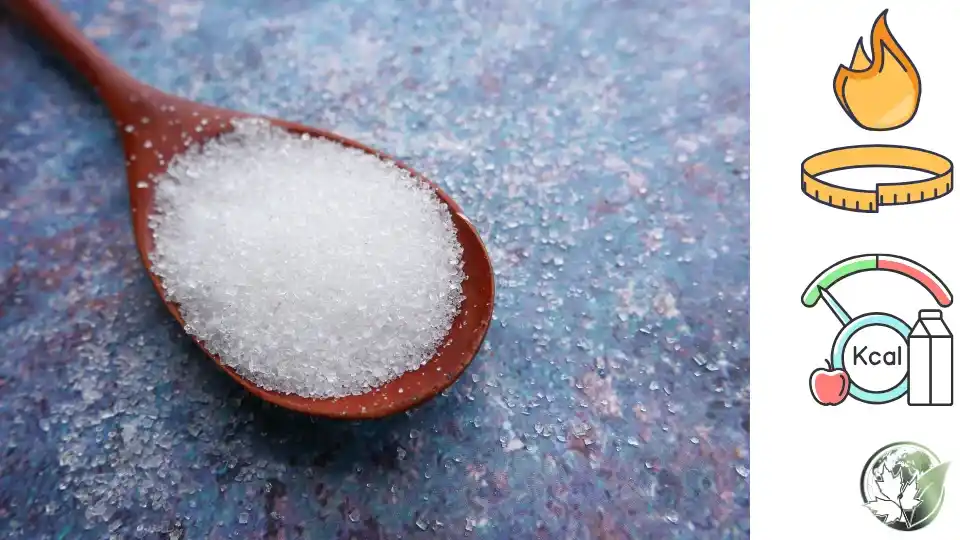
One tablet or a few drops of sweetener can replace a teaspoon or two of sugar in tea
Sugar vs Artificial Sweetener: Nutrition Compared
| Per serving | Sugar (1 tsp) | Sucralose packet | Aspartame packet | Stevia drops | Erythritol (1 tsp) |
|---|---|---|---|---|---|
| Calories | 16 | 3.4 | 3.6 | 0 | 0.8 |
| Carbohydrate | 4.2 g | 0.9 g | 0.9 g | 0 g | 4 g (not digested) |
| Sugar | 4.2 g | 0 g | 0 g | 0 g | 0 g |
| Sweetness vs sugar | 1x | 600x | 200x | 200-300x | 0.7x |
| Glycemic index | 65 | 0 | 0 | 0 | 0 |
| Heat stable for baking | Yes | Yes | No | Yes | Yes |
| Aftertaste | None | Slight | Slight | Bitter or licorice | Cooling |
| Dental effect | Causes decay | None | None | None | May protect |
Sweeteners vary in taste and cooking behavior. Aspartame breaks down with heat, so it is better for cold drinks. Sucralose and stevia withstand baking. Erythritol creates a cooling effect in the mouth.
Which Has More Calories: Sugar or Artificial Sweetener?
Sugar has far more calories in every comparison, except for bulk blends where the filler is the main ingredient. For a single serving of tea or coffee, sugar adds 16 to 32 calories, and a sweetener adds between 0 and 4. In a recipe, replacing a cup of sugar (774 calories) with a one-to-one sugar-like sweetener blend (about 0 to 300 calories, depending on the product) can save hundreds of calories per batch, but changes taste, texture and browning. The healthiest approach may be to reduce sweetness overall, not just swap one for another.
| Situation | Sugar calories | Sweetener calories | Saved |
|---|---|---|---|
| Cup of tea (2 tsp) | 32 | 0-4 | 28-32 |
| Cup of coffee (1 tsp) | 16 | 0-4 | 12-16 |
| Bowl of cereal (1 tbsp) | 48 | 0-6 | 42-48 |
| Cup of lemonade (3 tbsp) | 145 | 0-6 | 139-145 |
| Cake, whole (1 cup sugar) | 774 | 0-300 | 474-774 |
| Can of soda | 140 | 0-5 | 135-140 |
| Yogurt, flavored (6 g added sugar) | 24 | 0-4 | 20-24 |
Does Switching to Sweeteners Help With Weight Loss?
The evidence is mixed. In the short term, replacing sugary drinks with diet drinks reduces calorie intake and is associated with modest weight loss in controlled trials. In observational studies, people who regularly consume sweeteners often have higher body weight, but this may reflect that people who are already overweight choose diet products (reverse causation). In 2023 the World Health Organization issued a conditional recommendation against using non-sugar sweeteners to control body weight, based on long-term observational findings, noting that they do not seem to give lasting benefit for fat loss. This does not mean sweeteners cause weight gain. It means that they are not magic, and that lowering overall sweetness in the diet may be a better long-term goal.
| Effect | Evidence summary |
|---|---|
| Short-term calorie reduction | Clear when replacing sugar in drinks |
| Long-term weight loss | Modest or uncertain in studies |
| Appetite and cravings | Mixed, may differ between individuals |
| Blood glucose | No direct rise for most sweeteners |
| Gut microbiome | Some studies show changes, effect unclear |
| Dental health | Better than sugar |
| Best use | Transition tool while reducing sweetness |
Do Artificial Sweeteners Raise Blood Sugar?
Pure non-nutritive sweeteners such as sucralose, aspartame, saccharin and stevia extracts do not raise blood glucose in most studies, which makes them a common choice for people with diabetes. Sugar alcohols, such as xylitol, sorbitol and maltitol, have a small effect, with maltitol raising blood sugar noticeably. Bulk blends that contain dextrose or maltodextrin can slightly raise blood sugar if large amounts are used. Some research suggests that certain sweeteners may alter glucose tolerance in some individuals, through effects on gut bacteria, but results are not consistent.
| Sweetener | Glycemic index | Effect on blood glucose |
|---|---|---|
| Sugar | 65 | Rises quickly |
| Sucralose | 0 | None (pure) |
| Aspartame | 0 | None |
| Saccharin | 0 | None |
| Stevia extract | 0 | None |
| Erythritol | 0 | Minimal |
| Xylitol | 7-13 | Small |
| Maltitol | 35-52 | Moderate |
| Maltodextrin (filler) | 105-136 | High (small amounts only) |
Are Artificial Sweeteners Safe?
Regulators such as the US FDA and the European Food Safety Authority have approved sweeteners with defined acceptable daily intakes (ADI), set far below doses that cause harm in studies. For example, the ADI for aspartame is 40 milligrams per kilogram of body weight per day, which for a 70-kilogram adult is about 2,800 milligrams, or the amount in roughly 14 cans of diet cola. In 2023, the International Agency for Research on Cancer classified aspartame as "possibly carcinogenic to humans" (Group 2B), while the joint FAO/WHO expert committee on food additives kept the ADI at 40 mg/kg and concluded that the evidence was not convincing enough to change it. People with phenylketonuria (PKU) must avoid aspartame. Some people experience digestive discomfort with sugar alcohols. As with any food, moderate use is the practical approach.
| Sweetener | Acceptable daily intake (mg per kg) | Approximate packets for a 70 kg adult |
|---|---|---|
| Aspartame | 40 | 70+ packets |
| Sucralose | 5 | About 100 packets |
| Saccharin | 5 | About 30 packets |
| Acesulfame K | 15 | About 40 packets |
| Steviol glycosides | 4 (as steviol) | About 10-20 packets |
| Erythritol | No ADI needed | Large amounts cause digestive upset |
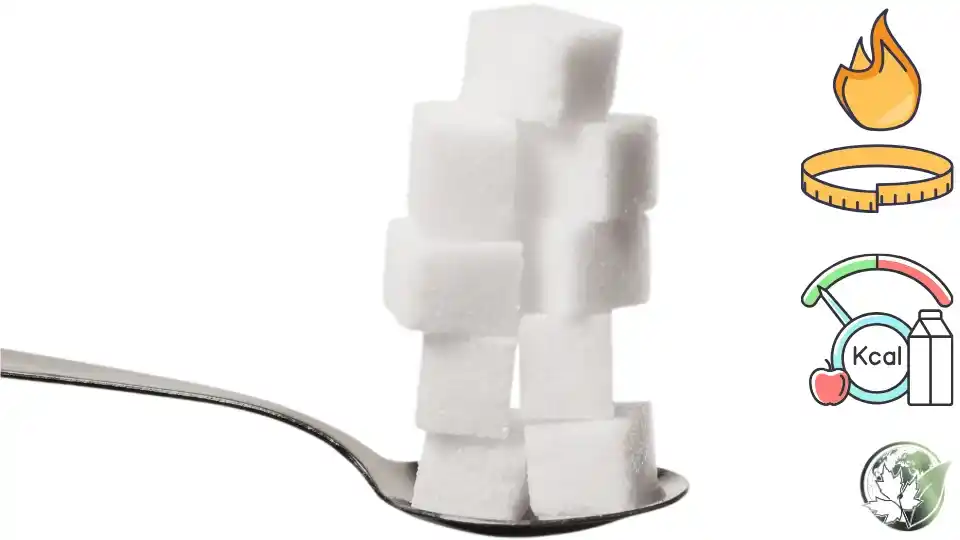
Gradually reducing sweetness lets your taste adapt, so you need less sugar or sweetener
Sugar and Sweeteners in Tea, the Iranian Way
Tea drinking is central to Iranian life, and sugar is part of the habit. Many people drink tea with a sugar cube held between the teeth (ghand pahlou), with a piece of rock candy (nabat) or with stirred-in sugar. A day with six glasses of tea and two cubes each means 192 calories from sugar alone, more than a typical small meal. Reducing the amount, using one cube, or switching to a few drops of a sweetener or to dates and raisins saves hundreds of calories a week.
| Tea habit | Per glass | Six glasses a day | Per year |
|---|---|---|---|
| 2 sugar cubes | 32 kcal | 192 kcal | About 70,000 kcal |
| 1 sugar cube | 16 kcal | 96 kcal | About 35,000 kcal |
| Nabat (1 piece, 5 g) | 19 kcal | 114 kcal | About 41,500 kcal |
| 1 date on the side | 23-27 kcal | 138-162 kcal | About 50,000-59,000 kcal |
| 1 sweetener tablet | 0 kcal | 0 kcal | 0 |
| Stevia drops | 0 kcal | 0 kcal | 0 |
| Unsweetened | 0 kcal | 0 kcal | 0 |
Natural Low-Calorie Sweeteners: Stevia, Monk Fruit and Sugar Alcohols
Natural or plant-derived sweeteners include stevia (extracted from Stevia rebaudiana leaves), monk fruit (luo han guo) and sugar alcohols such as erythritol and xylitol. They are often marketed as healthier than artificial sweeteners, but they are also processed into purified extracts. Stevia and monk fruit are zero-calorie when pure, and are 200 to 300 times sweeter than sugar. They can leave a bitter or licorice-like aftertaste, which is why they are often blended with erythritol. Sugar alcohols can cause gas and loose stools if you eat large amounts.
| Sweetener | Source | Calories per gram | Sweetness vs sugar | Common issue |
|---|---|---|---|---|
| Stevia extract | Plant leaf | 0 | 200-300x | Bitter aftertaste |
| Monk fruit extract | Fruit | 0 | 150-250x | Cost, blends |
| Erythritol | Fermented sugar alcohol | 0.2 | 0.7x | Cooling taste |
| Xylitol | Birch or corn | 2.4 | 1x | Digestive upset; toxic to dogs |
| Allulose | Rare sugar | 0.4 | 0.7x | Cost |
| Sorbitol | Fruit, corn | 2.6 | 0.6x | Laxative effect |
| Honey | Bees | 3.04 | 1.2x | Contains sugar |
How to Cut Back on Sugar Without Relying on Sweeteners
Taste preferences adapt over weeks. Cutting sugar gradually works better than stopping suddenly. Reduce one teaspoon at a time in tea and coffee, buy unsweetened yogurt and add fruit, dilute juices, and choose plain cereal. Spices such as cinnamon, cardamom and vanilla give a sense of sweetness without sugar. Over two to four weeks, most people find that their usual sweetness level feels too sweet.
| Step | Example | Calories saved per day |
|---|---|---|
| Week 1 | 2 tsp to 1.5 tsp in tea (3 cups) | 24 |
| Week 2 | 1.5 tsp to 1 tsp | 24 |
| Week 3 | 1 tsp to 0.5 tsp | 24 |
| Week 4 | 0.5 tsp to none, add cinnamon | 24 |
| Total | 2 tsp to none | 96 |
| Add: plain yogurt with fruit | Instead of flavored | 60-80 |
| Add: water instead of soda | One can | 140 |
How Do Sugar and Sweeteners Compare in Baking?
Sugar does more in a recipe than add sweetness. It tenderizes cakes, browns crusts, feeds yeast, stabilizes meringue and keeps baked goods moist. Sweeteners can mimic the sweetness but not all of these functions. Replacing sugar entirely with a high-intensity sweetener such as pure sucralose or stevia leaves a recipe short in bulk, so many brands sell baking blends that include bulking agents. These blends usually contain 8 to 24 calories per tablespoon, still far less than sugar, but not zero. Erythritol-based blends behave more like sugar but can recrystallize and give a cooling aftertaste. For most home bakers, replacing one third to one half of the sugar and keeping the rest gives the best result.
| Replacement approach | Calories saved per cup of sugar replaced | Effect on texture |
|---|---|---|
| Replace all with sucralose baking blend | 450-600 | Slightly drier, paler |
| Replace all with erythritol blend | 700-770 | Cooling taste, can be gritty |
| Replace 1/2 with stevia blend | 300-380 | Close to normal |
| Replace 1/3 with sweetener | 250-260 | Almost normal |
| Reduce sugar by 25% (no replacement) | 190 | Slightly less sweet, near normal |
| Add mashed banana or applesauce | 200-400 | Moister, fruitier |
| Recipe example | Sugar version | Reduced-sugar version | Calories saved per serving |
|---|---|---|---|
| Muffin (12 per batch), 3/4 cup sugar | 194 kcal per muffin | 160 kcal | 34 |
| Cookie (24 per batch), 1 cup sugar | 130 kcal per cookie | 100 kcal | 30 |
| Cake (12 slices), 1.5 cups sugar | 400 kcal per slice | 330 kcal | 70 |
| Tea cake (loaf, 10 slices) | 220 kcal per slice | 185 kcal | 35 |
Reducing sugar by a quarter in most home recipes goes unnoticed and saves a good amount of calories over a year of baking.
Sugar Sweetened Drinks vs Sweetener Drinks
The largest calorie gain from switching to sweetener usually comes from drinks, because liquid calories are less filling than solid food. A can of regular cola has about 140 calories and 39 grams of sugar, equal to about nine and a half teaspoons. A can of diet cola has zero to five calories. Fruit juices also contain a lot of sugar, a cup of orange juice having 112 calories and 21 grams, and sweetened teas can reach 90 to 120 per bottle. Replacing just one sugary drink a day with water, sparkling water or a diet alternative cuts about 50,000 calories in a year.
| Drink (355 ml / 12 oz) | Calories | Sugar |
|---|---|---|
| Regular cola | 140 | 39 g |
| Diet cola | 0-5 | 0 g |
| Lemonade | 150 | 38 g |
| Orange juice | 165 | 31 g |
| Sweet tea (bottled) | 120 | 30 g |
| Energy drink | 160 | 38 g |
| Sparkling water, plain | 0 | 0 g |
| Black tea with 2 tsp sugar | 32 | 8.4 g |
| Black tea with sweetener | 0-4 | 0 g |
| Doogh (Persian yogurt drink, 1 cup) | 60-80 | 4-6 g |
Who Should Be Careful With Sweeteners?
Most adults can use approved sweeteners safely in moderation. A few groups should take extra care. People with phenylketonuria must avoid aspartame because it contains phenylalanine. People who are sensitive to sugar alcohols may experience bloating, gas or diarrhea with xylitol, sorbitol and maltitol. Dog owners must keep xylitol away from dogs, since even small amounts can be fatal to them. Pregnant women and children are usually advised to follow local guidance and keep intake moderate. People who use sweeteners to manage diabetes should still monitor their blood glucose and total carbohydrate intake.
| Group | Advice |
|---|---|
| Phenylketonuria (PKU) | Avoid aspartame |
| Sugar alcohol sensitivity | Limit xylitol, sorbitol and maltitol |
| Dog owners | Store xylitol out of reach |
| Pregnancy and breastfeeding | Moderate intake of approved sweeteners; ask a doctor |
| Children | Prefer water and milk, limit sweetened drinks |
| Diabetes | Use pure sweeteners; count bulk blends as carbohydrate |
| General adults | Stay below the acceptable daily intake |
Key Takeaways: Sugar Calories Per Serving vs Sweetener
A teaspoon of sugar has about 16 calories, a sugar cube 16, and a tablespoon 48. A packet of artificial sweetener has 0 to 4 calories and tastes as sweet as about two teaspoons of sugar, so it replaces around 32 calories. Labels round to zero when a serving has fewer than 5 calories. Sweeteners do not raise blood sugar, but they are not a proven long-term weight-loss tool, so use them as a bridge while lowering your taste for sweetness.
Frequently Asked Questions
6 questions answered
How many calories are in a teaspoon of sugar?
About 16 calories for 4.2 grams.
How many calories are in a packet of sweetener?
Between 0 and 4, depending on the filler.
Why do sweeteners say zero calories?
Labels may round down servings of under 5 calories.
Is stevia calorie free?
Pure stevia extract is, but powder blends may have 3-4 per packet.
Do artificial sweeteners raise blood sugar?
Pure ones generally do not.
Are sweeteners good for weight loss?
They cut calories in drinks, but long-term evidence is limited.