How Many Calories Are in a Mandarin Orange vs a Sugar Cube? The Quick Answer
A medium mandarin orange, about 88 grams without the peel, has around 47 calories, 9.2 grams of sugar and 1.6 grams of fiber. A standard sugar cube weighs 4 grams and has 16 calories and 4 grams of sugar. One mandarin therefore has about three times the calories of a cube, and 2.3 times the sugar. Per 100 grams, mandarin has 53 calories and 10.6 grams of sugar, against 387 calories and 100 grams of sugar for refined sugar. Mandarins are 85 percent water and offer 26 milligrams of vitamin C per 100 grams, plus potassium, folate and the carotenoid beta-cryptoxanthin.
A small clementine of 74 grams has 35 calories and 6.9 grams of sugar, about 1.7 cubes. A can of mandarins in juice (250 grams) holds 92 calories and 18 grams of sugar, and in light syrup 154 calories and 33 grams. This guide compares mandarin oranges and sugar cubes per fruit, per segment and per 100 grams, looks at clementines, satsumas, canned and dried forms, and explains the vitamins and fiber, with three comparison tables and an FAQ.
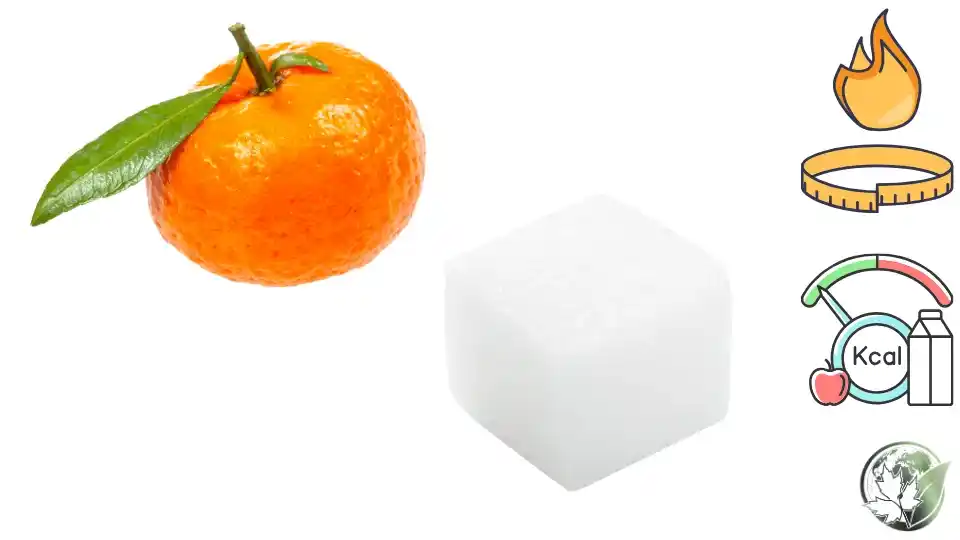
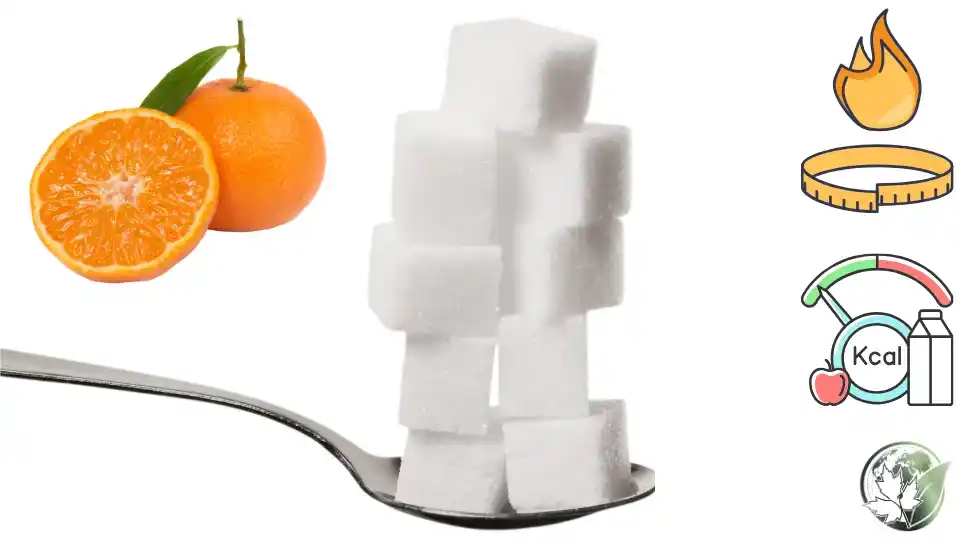
One mandarin has about 9 grams of sugar, equal to 2.3 sugar cubes, and a good amount of vitamin C
How Many Calories Are in a Mandarin Orange?
| Mandarin orange | Weight | Calories | Sugar | Fiber |
|---|---|---|---|---|
| 1 segment | 9 g | 5 kcal | 0.9 g | 0.2 g |
| 1 small clementine | 74 g | 35 kcal | 6.9 g | 1.3 g |
| 1 medium mandarin | 88 g | 47 kcal | 9.2 g | 1.6 g |
| 1 large mandarin | 110 g | 58 kcal | 11.7 g | 2 g |
| 2 medium mandarins | 176 g | 94 kcal | 18.4 g | 3.2 g |
| 3 clementines | 222 g | 105 kcal | 20.7 g | 3.9 g |
| 1 cup segments | 195 g | 103 kcal | 20.6 g | 3.5 g |
| 100 g | 100 g | 53 kcal | 10.6 g | 1.8 g |
| Canned in juice, 1 cup | 249 g | 92 kcal | 18 g | 2 g |
| Canned in light syrup, 1 cup | 252 g | 154 kcal | 33 g | 1.8 g |
| Dried mandarin, 30 g | 30 g | 98 kcal | 22 g | 2.5 g |
How Many Calories Are in a Sugar Cube?
| Sugar | Weight | Calories | Sugar |
|---|---|---|---|
| 1 sugar cube (standard) | 4 g | 16 kcal | 4 g |
| 1 sugar cube (small) | 3 g | 12 kcal | 3 g |
| 1 sugar cube (large) | 5 g | 19 kcal | 5 g |
| 2 cubes | 8 g | 31 kcal | 8 g |
| 4 cubes | 16 g | 62 kcal | 16 g |
| 10 cubes | 40 g | 155 kcal | 40 g |
| 100 g | 100 g | 387 kcal | 100 g |
Mandarin Orange vs Sugar Cube: Calories Compared
| Amount | Mandarin | Sugar cube | Difference |
|---|---|---|---|
| 1 piece | 47 kcal (medium) | 16 kcal (cube) | Mandarin +31 |
| 1 segment vs 1 cube | 5 kcal | 16 kcal | Segment -11 |
| 10 g | 5 kcal | 39 kcal | Mandarin -34 |
| 50 g | 27 kcal | 194 kcal | Mandarin -167 |
| 100 g | 53 kcal | 387 kcal | Mandarin -334 |
| 100 calories | 189 g (2 mandarins) | 26 g (6.5 cubes) | - |
| Sugar in 100 kcal | 20 g | 26 g | Mandarin lower |
| Cubes per medium mandarin | 2.3 | 1 | - |
A whole mandarin has about three times the calories of one cube, but it weighs 22 times more. A single segment has just 5 calories and about one gram of sugar, so you would need three segments for the calories of a cube, and four for its sugar.
Mandarin Orange vs Sugar Cube: Nutrition Compared
| Per 100 g | Mandarin | Clementine | White sugar |
|---|---|---|---|
| Calories | 53 kcal | 47 kcal | 387 kcal |
| Carbohydrate | 13.3 g | 12 g | 100 g |
| Sugar | 10.6 g | 9.2 g | 100 g |
| Fiber | 1.8 g | 1.7 g | 0 g |
| Water | 85 g | 87 g | 0 g |
| Vitamin C | 26.7 mg | 48.8 mg | 0 mg |
| Vitamin A | 34 mcg | 14 mcg | 0 mcg |
| Folate | 16 mcg | 24 mcg | 0 mcg |
| Potassium | 166 mg | 177 mg | 2 mg |
| Beta-cryptoxanthin | 407 mcg | 150 mcg | 0 mcg |
| Glycemic index | 42 | 40 | 65 |
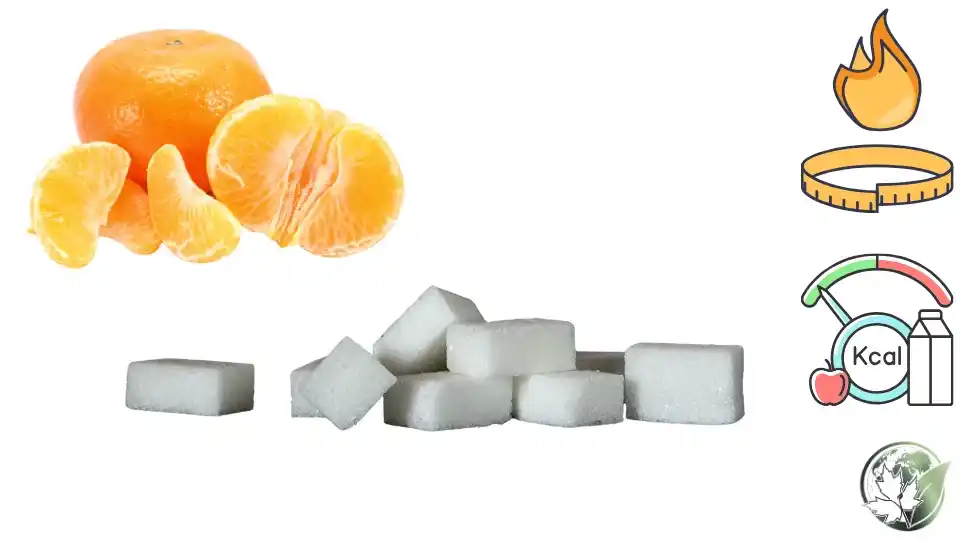
Mandarins are 85 percent water, which is why a whole fruit has under 50 calories
Which Has More Calories: Mandarin Orange or a Sugar Cube?
A whole mandarin has more calories than a single cube, 47 against 16, but a single segment has fewer. Per gram, sugar has more than seven times the calories of mandarin. Comparing by sugar content, 4 grams of sugar comes from about 38 grams of mandarin (20 calories), only a little more than the cube's 16, with vitamin C and fiber included.
| Comparison | Mandarin | Sugar cube | Verdict |
|---|---|---|---|
| 1 piece | 47 kcal | 16 kcal | Cube lower |
| 1 segment | 5 kcal | 16 kcal | Segment lower |
| Per 100 g | 53 kcal | 387 kcal | Mandarin lower |
| Sugar | 9.2 g per fruit | 4 g per cube | Mandarin 2.3 cubes |
| Vitamin C | 23 mg | 0 mg | Mandarin |
| Fiber | 1.6 g | 0 g | Mandarin |
How Many Sugar Cubes Are in a Mandarin?
A medium mandarin has 9.2 grams of sugar, or 2.3 cubes. A small clementine has 6.9 grams, 1.7 cubes, and a large mandarin 11.7 grams, 2.9 cubes. A bag of three clementines contains about 5 cubes. A cup of canned mandarins in light syrup has 33 grams of sugar, 8 cubes, and the same amount in juice has 18 grams, 4.5 cubes. Fresh fruit is the best choice, but even canned mandarins in juice are a modest source of sugar compared with soda (9 cubes in a can).
| Mandarin form | Sugar | Sugar cubes |
|---|---|---|
| 1 segment | 0.9 g | 0.2 |
| 1 clementine | 6.9 g | 1.7 |
| 1 medium mandarin | 9.2 g | 2.3 |
| 2 medium mandarins | 18.4 g | 4.6 |
| 1 cup canned in juice | 18 g | 4.5 |
| 1 cup canned in light syrup | 33 g | 8.3 |
| 250 ml mandarin juice | 22 g | 5.5 |
Is the Sugar in Mandarin Different From Table Sugar?
Mandarins contain sucrose, glucose and fructose, in roughly a 2:1:1 ratio, so the sugar is chemically similar to table sugar. The difference lies in the package: mandarin sugar is dissolved in water and held in cell walls with fiber and citric acid, so it digests more slowly, and the glycemic index is around 42 against 65 for sugar. Whole fruit consumption is associated with a lower risk of type 2 diabetes in large studies, while sugary drinks are linked to a higher risk.
| Feature | Mandarin sugar | Sugar cube |
|---|---|---|
| Form | Sucrose, glucose, fructose | Sucrose |
| Fiber | 1.6 g per fruit | None |
| Water | 85% | 0% |
| Acid | Citric | None |
| Glycemic index | 42 | 65 |
| Satiety | High | None |
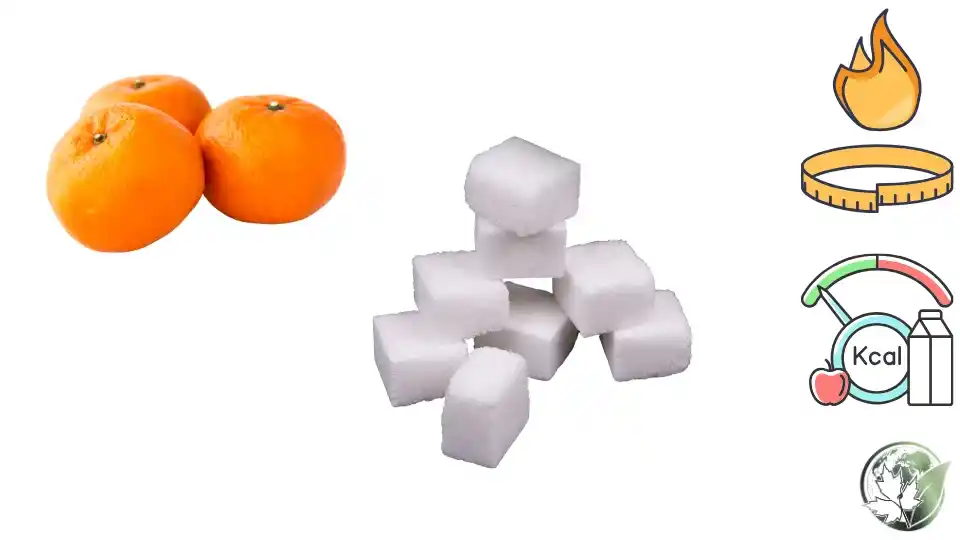
Easy-to-peel clementines are a convenient snack at 35 calories each
What Is the Difference Between Mandarin, Clementine, Tangerine and Satsuma?
These are all types of mandarin. Clementines are small, seedless and very sweet, with thin peels. Satsumas are seedless, mild and easy to peel. Tangerines are slightly tarter and have a deeper orange color. Mandarins are the broader group. Calories per 100 grams range from 47 for clementines to 53 for mandarins and tangerines, and a piece is 35 to 58 calories depending on size. The vitamin C content is highest in clementines.
| Type | Weight | Calories | Sugar | Vitamin C |
|---|---|---|---|---|
| Clementine | 74 g | 35 kcal | 6.9 g | 36 mg |
| Satsuma | 76 g | 37 kcal | 7.3 g | 25 mg |
| Tangerine | 88 g | 47 kcal | 9.2 g | 23 mg |
| Mandarin orange | 88 g | 47 kcal | 9.2 g | 23 mg |
| Large mandarin | 110 g | 58 kcal | 11.7 g | 29 mg |
| Navel orange (for comparison) | 140 g | 69 kcal | 12 g | 83 mg |
How Do Mandarins Compare With Oranges?
A medium navel orange (140 grams) has 69 calories, 12 grams of sugar and 83 milligrams of vitamin C, while a mandarin has 47 calories, 9 grams of sugar and 23 milligrams. Per 100 grams, mandarins have 53 calories and oranges 49, so they are close. Oranges win on vitamin C, and mandarins on convenience and portion size. Either is a fine snack, and the choice depends on whether you want a smaller, sweeter fruit or a larger, more tart one.
| Fruit (per 100 g) | Calories | Sugar | Fiber | Vitamin C |
|---|---|---|---|---|
| Mandarin | 53 kcal | 10.6 g | 1.8 g | 26.7 mg |
| Orange | 47 kcal | 9.4 g | 2.4 g | 53 mg |
| Grapefruit | 42 kcal | 6.9 g | 1.6 g | 31 mg |
| Lemon | 29 kcal | 2.5 g | 2.8 g | 53 mg |
| Kiwi | 61 kcal | 9 g | 3 g | 93 mg |
| Apple | 52 kcal | 10.4 g | 2.4 g | 4.6 mg |
Are Canned Mandarins as Healthy as Fresh?
Canned mandarin segments are convenient, but the calories and sugar depend on the liquid. In water or juice, a cup has 70 to 92 calories, in light syrup 154 and in heavy syrup up to 200. The canning process reduces vitamin C by up to half, and the peel's fiber is gone. Drain the liquid to lower the sugar by about a third. For salads, desserts and quick snacks, choose cans in juice or water, and use fresh when possible.
| Canned product (1 cup, 250 g) | Calories | Sugar | Vitamin C |
|---|---|---|---|
| In water | 70 kcal | 14 g | 20 mg |
| In juice | 92 kcal | 18 g | 40 mg |
| In light syrup | 154 kcal | 33 g | 35 mg |
| In heavy syrup | 195 kcal | 42 g | 30 mg |
| Fresh segments | 103 kcal | 20.6 g | 52 mg |
What Are Good Ways to Use Mandarins Instead of Sweets?
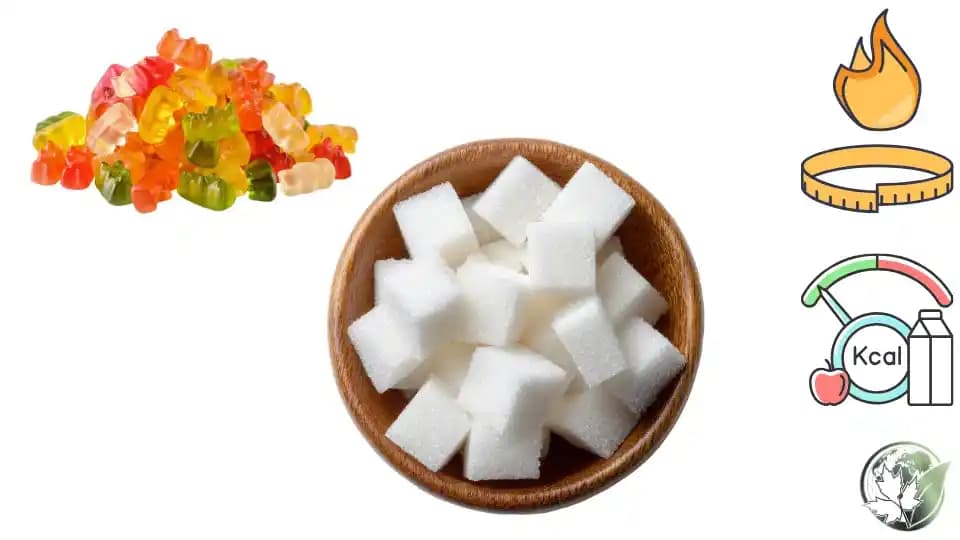
Pack a mandarin in the lunchbox, add segments to a green salad with almonds, or freeze them for a cold treat. Serve segments with plain yogurt and a drizzle of honey, or dip into a spoonful of dark chocolate. A bowl of mandarins on the counter makes the healthy snack the easy choice. Two mandarins (94 calories) are less than a small piece of cake or a handful of gummies and give more volume and nutrients.
| Swap | Original | Calories | Replacement | Calories |
|---|---|---|---|---|
| Candy | 30 g gummies | 100 kcal | 2 mandarins | 94 kcal |
| Cookie | 1 chocolate chip cookie | 145 kcal | 2 clementines | 70 kcal |
| Tea sweetener | 2 sugar cubes | 31 kcal | A few segments | 15 kcal |
| Ice cream | 1/2 cup | 137 kcal | 1 frozen mandarin | 47 kcal |
| Juice | 250 ml orange juice | 112 kcal | 2 mandarins | 94 kcal |
How Does a Mandarin Affect Blood Sugar?
Mandarins have a glycemic index of about 42, which is low, and a glycemic load of around 4 for a medium fruit. Five sugar cubes (20 grams) have a load of 13. Eating whole citrus fruit is associated with better blood glucose control in several observational studies, because the fiber, acids and flavonoids such as hesperidin slow absorption and may improve insulin sensitivity. A medium mandarin has about 11 grams of carbohydrate, which people with diabetes can count as roughly one carbohydrate exchange for a pair of small clementines. Juice, however, produces a faster rise with no fiber.
| Food | Carbohydrate | Glycemic index | Glycemic load |
|---|---|---|---|
| 1 clementine | 8.9 g | 40 | 3.6 |
| 1 medium mandarin | 11.7 g | 42 | 4.9 |
| 2 mandarins | 23 g | 42 | 9.8 |
| 250 ml mandarin juice | 24 g | 50 | 12 |
| 5 sugar cubes | 20 g | 65 | 13 |
| 1 cup canned in light syrup | 40 g | 60 | 24 |
What Vitamins and Plant Compounds Do Mandarins Provide?
A medium mandarin gives about 23 milligrams of vitamin C (26 percent of the daily value), 150 milligrams of potassium, 15 micrograms of folate and 30 micrograms of vitamin A. Their orange color comes from beta-cryptoxanthin, a carotenoid the body converts to vitamin A and that is linked in studies with lower risk of rheumatoid arthritis and lung disease. Mandarins also contain flavonoids such as hesperidin and nobiletin, studied for anti-inflammatory effects. Eating the white pith that clings to segments adds more fiber and flavonoids.
| Nutrient (1 medium mandarin, 88 g) | Amount | Daily value |
|---|---|---|
| Vitamin C | 23 mg | 26% |
| Potassium | 146 mg | 3% |
| Folate | 14 mcg | 4% |
| Vitamin A | 30 mcg | 3% |
| Fiber | 1.6 g | 6% |
| Beta-cryptoxanthin | 358 mcg | No DV |
| Calcium | 31 mg | 2% |
How Many Mandarins Make a Serving?
One serving of fruit is about one cup, which equals roughly two medium mandarins or three clementines. Dietary guidelines for adults suggest two cups of fruit a day, so three to four mandarins can be one fruit portion of the day if combined with other fruit. Children can have one or two. Large amounts, such as 8 to 10 mandarins, are not harmful but add up to 400 to 500 calories and may cause stomach upset due to acidity and fiber.
| Servings | Mandarins | Calories | Sugar cubes |
|---|---|---|---|
| Small snack | 1 medium | 47 kcal | 2.3 |
| Standard serving (1 cup) | 2 medium | 94 kcal | 4.6 |
| Large snack | 3 clementines | 105 kcal | 5.2 |
| Daily fruit goal (2 cups) | 4 medium | 188 kcal | 9.2 |
| Excessive | 10 medium | 470 kcal | 23 |
Who Should Be Careful With Mandarins?
Citrus allergy exists, though it is less common than other fruit allergies. People with acid reflux may find that citrus triggers heartburn. Citrus compounds can interact with certain medications; grapefruit is the main concern, but some varieties of mandarin contain bergamottin at much lower levels, so people on drugs with grapefruit warnings should ask a pharmacist. Excess can cause diarrhea in some people. Brushing right after eating acidic fruit can harm enamel, so rinse with water and wait 30 minutes.
| Group | Concern | Advice |
|---|---|---|
| Citrus allergy | Reaction | Avoid |
| Acid reflux | Heartburn | Smaller portions |
| Medication interactions | Rare with mandarin | Ask pharmacist |
| Sensitive teeth | Acid | Rinse with water |
| Infants | Acidity, choking | Offer peeled, de-seeded pieces after 6 months |
How Should You Choose and Store Mandarins?
Choose fruit that feels heavy for its size, with smooth, glossy skin and no soft spots. A loose, puffy skin is normal for some varieties, but mold or leaks are not. Store at room temperature for up to a week, or in the refrigerator crisper for two to three weeks. Do not store in sealed plastic bags, which trap moisture and encourage mold. Peeled segments keep in an airtight container in the fridge for two days. Freeze segments on a tray for smoothies.
| Storage | Time | Tip |
|---|---|---|
| Counter | 5-7 days | Keep out of sun |
| Refrigerator | 2-3 weeks | Crisper drawer, not sealed |
| Peeled segments | 2 days | Airtight container |
| Frozen segments | 6 months | Freeze flat on a tray |
| Canned | 18-24 months | Pantry |
Can Mandarins Help With Weight Loss?
Mandarins are a helpful snack for weight management. They have 47 calories each, a high water content and a sweet taste that satisfies cravings, and the act of peeling slows down eating. Two mandarins before a meal can reduce appetite for later courses. They won't burn fat, but swapping a 150 calorie biscuit for two mandarins every day saves around 56 calories daily, over 20,000 calories a year. For best results, eat the whole fruit rather than juice, since three mandarins make a glass of juice with no fiber.
| Habit | Daily calories | Yearly calories |
|---|---|---|
| 2 cookies (160 kcal) | 160 kcal | 58,400 kcal |
| 2 mandarins | 94 kcal | 34,300 kcal |
| Savings per year | 66 kcal | 24,100 kcal |
| Glass of juice (250 ml) | 112 kcal | 40,900 kcal |
| 3 mandarins | 141 kcal | 51,500 kcal |
What Are Easy Mandarin Snack Ideas?
Peel and eat as a portable snack. Add segments to oatmeal, mix with cottage cheese, put on top of a salad of arugula and fennel, or marinate in a little honey and lemon for a quick dessert. Blend frozen segments with plain yogurt for a creamy sorbet of about 90 calories per serving. For children, skewer segments with berries for a colorful fruit stick. Zest the peel into baking or tea for aroma at zero calories.
| Idea | Calories | Note |
|---|---|---|
| Mandarin + 10 almonds | 117 kcal | Balanced snack |
| Mandarin and cottage cheese | 130 kcal | Protein-rich |
| Frozen mandarin yogurt sorbet | 90 kcal | Dessert |
| Mandarin and fennel salad | 85 kcal | Light side |
| Mandarin zest in tea | 1 kcal | Flavor only |
| Segments with dark chocolate | 85 kcal | Treat |
What Is the Verdict?
A mandarin is a sweet, juicy and portable fruit with about 47 calories and 9 grams of sugar, equal to 2.3 sugar cubes. It delivers vitamin C, potassium and fiber, and has a low glycemic index. A sugar cube gives 16 calories of pure sugar and nothing else. If you crave something sweet, mandarins are a smarter option than candy or sweetened drinks, and one to three a day fits most diets well.
| Goal | Better choice | Reason |
|---|---|---|
| Fewest calories per gram | Mandarin | 53 vs 387 per 100 g |
| Vitamin C | Mandarin | 23 mg vs 0 |
| Satisfying a sweet craving | Mandarin | Water and fiber |
| Quick energy | Sugar cube or banana | Fast carbohydrate |
| Sweetening hot drinks | Sugar cube | Dissolves |
| Portable snack | Mandarin | Easy to peel |
How Do Mandarin Juice and Mandarin Peel Products Compare?
Mandarin juice, a glass of 250 millilitres, takes about four to five fruits and has 110 calories and 22 grams of sugar, with almost no fiber. Candied mandarin peel is dipped in syrup and can reach 320 calories per 100 grams. Dried peel used for tea (chenpi) has negligible calories per cup. Mandarin liqueurs and sweetened drinks add alcohol and sugar. Whole fruit remains the best form for fiber and fullness.
| Product | Serving | Calories | Sugar |
|---|---|---|---|
| Fresh mandarin | 2 medium | 94 kcal | 18.4 g |
| Mandarin juice | 250 ml | 110 kcal | 22 g |
| Candied peel | 30 g | 96 kcal | 22 g |
| Dried peel tea | 1 cup | 2 kcal | 0 g |
| Mandarin soda | 330 ml | 140 kcal | 35 g |
How Do Sugar Cubes Fit Into Daily Limits Compared With Mandarins?
The World Health Organization suggests keeping free sugars under 25 to 50 grams a day, or 6 to 12 cubes. Natural sugars in whole fruit are not counted in this limit, so two mandarins (4.6 cubes of sugar) do not use up your allowance, while four cubes in tea do. This is one reason that nutrition advice encourages whole fruit and discourages sweetened drinks and added sugar. If your sweet tooth is strong, use mandarins to take the place of added sugar.
| Source | Sugar | Counts toward free sugar limit? |
|---|---|---|
| 2 sugar cubes in tea | 8 g | Yes |
| 2 mandarins | 18.4 g | No (whole fruit) |
| 250 ml mandarin juice | 22 g | Yes |
| 1 cup canned in syrup | 33 g | Partly (syrup) |
| 1 cup canned in juice | 18 g | Partly |
Key Takeaways: Mandarin Orange vs Sugar Cube Calories
A medium mandarin orange has about 47 calories and 9 grams of sugar, equal to 2.3 cubes, against a sugar cube's 16 calories and 4 grams. Per 100 grams, mandarin has 53 calories and sugar 387. Mandarins add vitamin C, fiber and water, so choose them fresh.
Frequently Asked Questions
6 questions answered
Does a mandarin have more calories than a sugar cube?
One fruit does (47 vs 16), but one segment has fewer (5).
How many sugar cubes are in a mandarin?
About 2.3.
How many calories are in a clementine?
About 35.
Are canned mandarins healthy?
In juice or water, yes; syrup adds sugar.
How many mandarins can I eat a day?
One to three is typical.
Do mandarins have vitamin C?
Yes, about 23 milligrams per medium fruit.