Orange Calories at a Glance
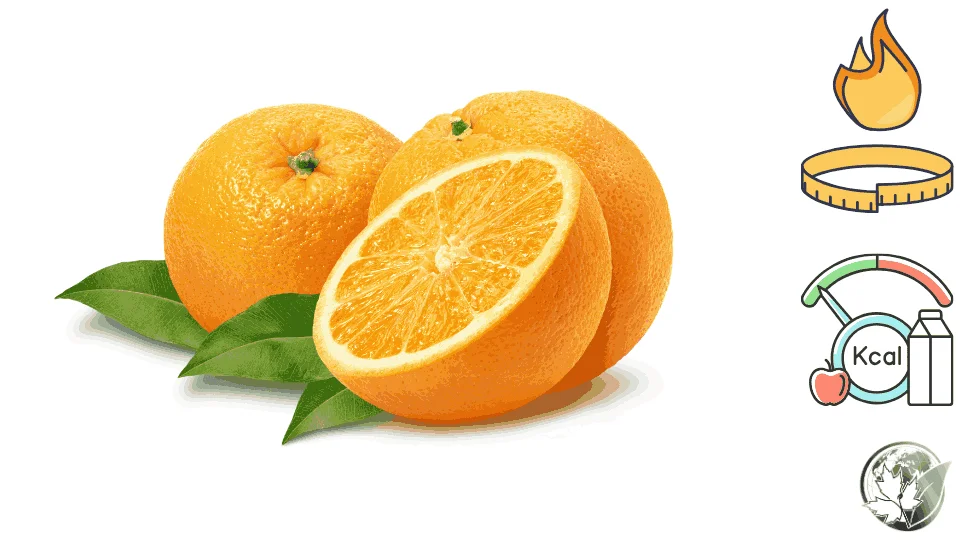
A medium raw orange of roughly 131 grams provides about 62 calories. One hundred grams is about 47 calories, and one cup of orange sections around 180 grams is about 85 calories. A small orange can be around 45 calories, while a large orange can approach 85 to 90 calories depending on its edible weight.
These numbers place oranges among the lower-calorie common fruits. They are somewhat lower in calories per 100 grams than apples, mandarins, grapes, or bananas, though fruit size can reverse the comparison on a per-piece basis. For example, a small mandarin may contain fewer calories than a medium orange simply because it is smaller.
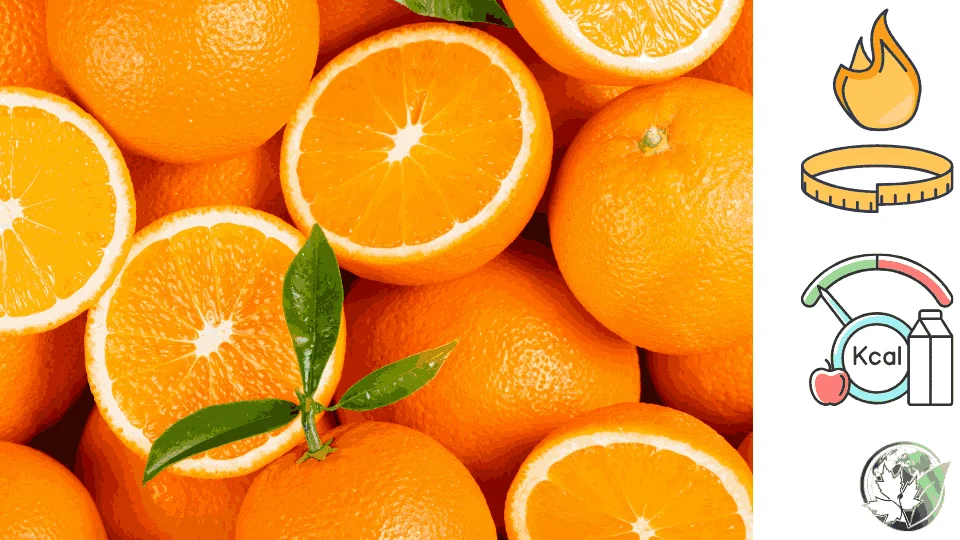
- 100 g raw orange: about 47 calories
- 1 medium orange (about 131 g edible portion): about 62 calories
- 1 small orange (about 96 g): about 45 calories
- 1 large orange (about 184 g): about 86 calories
- 1 cup orange sections (about 180 g): about 85 calories
How Many Calories Are in One Orange?
The phrase one orange can describe a surprisingly wide range of sizes. A useful medium-fruit reference is about 131 grams of edible orange, which works out to roughly 62 calories at 47 calories per 100 grams. A smaller fruit may be in the mid-40s, while a large fruit can be in the mid-80s or higher.
This is why food databases often provide several serving sizes instead of one universal answer. The peel is not usually included in the edible weight, so weighing a whole orange before peeling can overestimate the portion you actually eat. If precision matters, weigh the peeled fruit or use a standard portion from a reliable database.
For everyday use, there is no need to measure every orange. Treat a medium orange as roughly 60 calories, a small one as roughly 45 to 50, and a large one as around 85 to 90. Those rounded figures are usually accurate enough for meal planning and much more practical than trying to calculate to a single calorie.
How Many Calories Are in 100g of Orange?
One hundred grams of raw orange contains about 47 calories. That serving provides roughly 11.8 grams of carbohydrate, 2.4 grams of fiber, around 9 grams of natural sugar, just under 1 gram of protein, and almost no fat. Water accounts for close to 87 percent of the fruit.
The 100-gram reference makes oranges easy to compare with other fruits. It is lower in calories than 100 grams of mandarin, apple, grapes, or banana, and higher than watermelon. More important, it combines a relatively low calorie density with meaningful fiber and vitamin C.
If you track food by weight, multiply grams of edible orange by 0.47. A 150-gram portion is roughly 71 calories, 200 grams about 94, and 250 grams about 118. Because fruit composition changes with variety and ripeness, these calculations should be rounded rather than treated as exact laboratory values.
Orange Calorie Portion Table
| Portion | Approx. edible weight | Approx. calories |
|---|---|---|
| Small orange | 96 g | 45 kcal |
| Medium orange | 131 g | 62 kcal |
| 100 g | 100 g | 47 kcal |
| 1 cup sections | 180 g | 85 kcal |
| Large orange | 184 g | 86 kcal |
The table below shows practical orange portions using 47 calories per 100 grams as the base reference.
How Many Calories Are in 1 Cup of Orange?
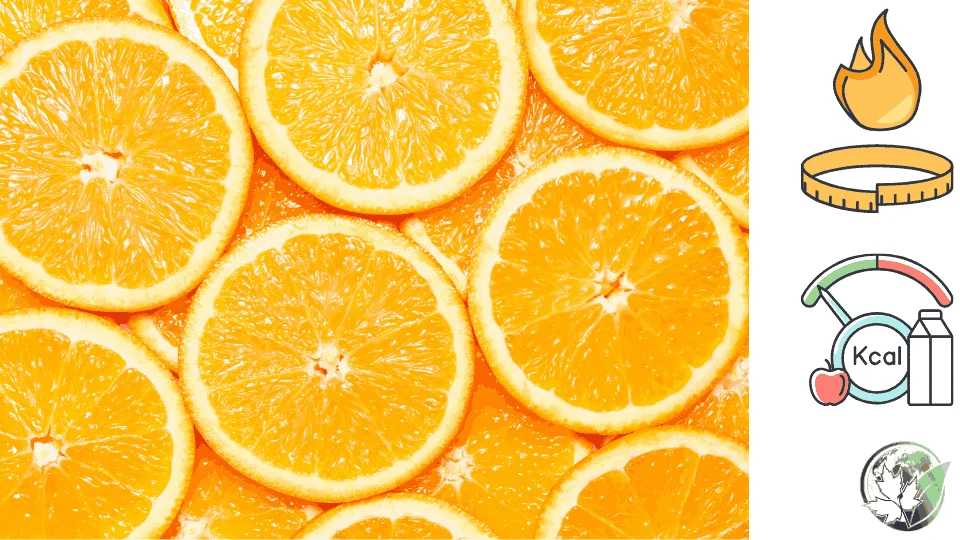
One cup of orange sections is commonly estimated at about 180 grams and roughly 85 calories. That is a substantial amount of whole fruit, often more than one medium orange, which is why the cup value is higher than the typical one-fruit value.
A cup measurement is especially useful in fruit salads, breakfast bowls, and recipes where orange segments are removed from the peel. It is less useful when comparing whole fruit at the supermarket, because varieties and fruit sizes differ.
Whole orange sections retain much of the fiber and structure of the fruit. A cup of sections is therefore not equivalent to a cup of orange juice. Juice can contain calories from several oranges in one glass and is consumed much more quickly. If your goal is to understand portion calories, keep sections and juice as separate categories.
Orange Nutrition Facts: Calories, Carbs, Fiber and Vitamin C
Oranges are best known for vitamin C, but their nutrition profile includes more than one vitamin. A 100-gram serving provides carbohydrate for energy, around 2.4 grams of dietary fiber, potassium, folate, and small amounts of several other vitamins and minerals.
The fiber is important in explaining why whole oranges and orange juice behave differently as foods. Fiber contributes to the physical structure of the fruit and helps make eating a whole orange slower. When juice is extracted, much of the insoluble pulp is left behind unless the product is high-pulp and even then the fiber content usually remains much lower than in the whole fruit.
An orange is also naturally low in fat and sodium. Its calories come mainly from carbohydrate, including naturally occurring sugars. That makes it a useful fruit to compare with mandarins because the two are closely related yet differ in size, sweetness, and some nutrient concentrations.
Orange Nutrition Table per 100g
| Nutrient | Approx. amount per 100 g |
|---|---|
| Calories | 47 kcal |
| Water | 86.8 g |
| Carbohydrate | 11.8 g |
| Total sugars | ~9.4 g |
| Fiber | 2.4 g |
| Protein | 0.94 g |
| Fat | 0.12 g |
| Potassium | 181 mg |
| Vitamin C | ~53 mg |
| Folate | ~30 mcg |
These are rounded reference values for raw commercial oranges per 100 grams of edible fruit.
Orange vs Mandarin: Which Has Fewer Calories?
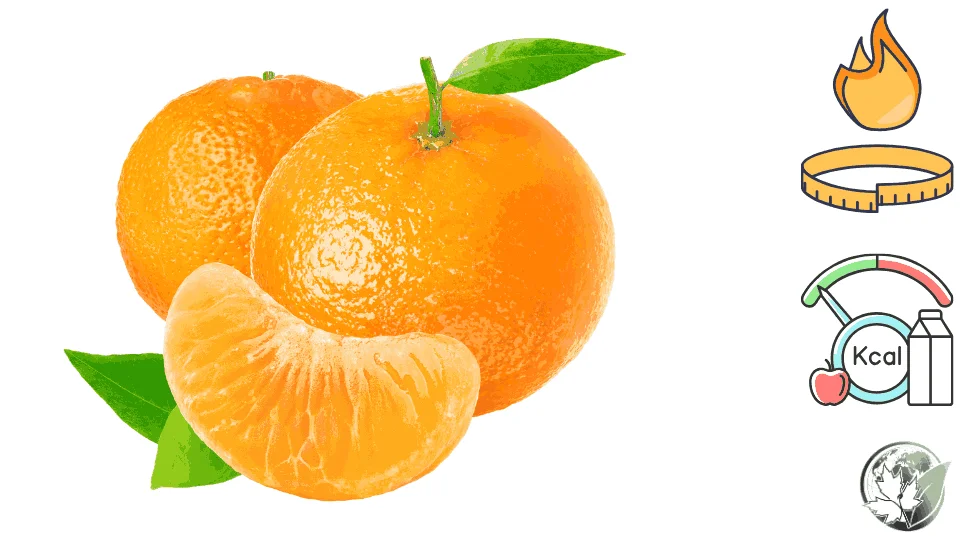
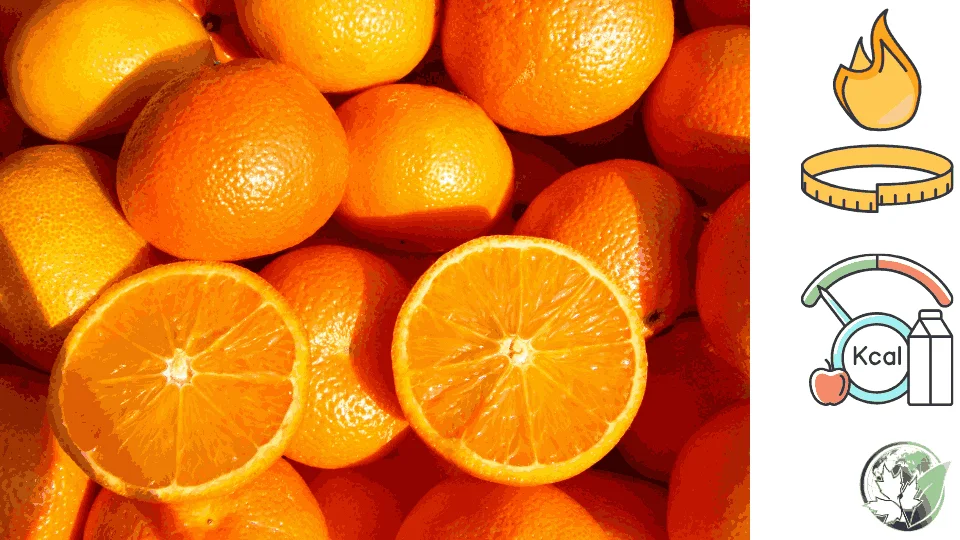
Per 100 grams, orange is usually slightly lower in calories than mandarin. A common orange reference is 47 calories per 100 grams, while tangerines or mandarin oranges are about 53 calories per 100 grams. The difference is only around six calories per 100 grams, so it is nutritionally small.
Per fruit, the answer can reverse because mandarins are usually much smaller. A medium mandarin around 88 grams may contain about 47 calories, while a medium orange around 131 grams is about 62 calories. This is a good example of why per-100-gram comparisons and per-piece comparisons answer different questions.
Orange generally provides more vitamin C per 100 grams in classic reference data, while mandarins may taste sweeter and are easier to peel. Both can fit into a balanced diet. If calories are the main concern, portion size matters far more than choosing one citrus fruit over the other.
Orange vs Mandarin Nutrition Comparison
| Nutrient / 100 g | Orange | Mandarin / tangerine |
|---|---|---|
| Calories | 47 kcal | 53 kcal |
| Carbohydrate | 11.8 g | 13.3 g |
| Fiber | 2.4 g | 1.8 g |
| Sugars | ~9.4 g | ~10.6 g |
| Protein | 0.94 g | 0.81 g |
| Potassium | 181 mg | 166 mg |
| Typical piece size | Larger | Smaller |
The table compares typical raw orange and mandarin values per 100 grams. Values are rounded and may differ slightly across varieties and databases.
Orange vs Orange Juice: Calories and Fiber
A whole orange and a glass of orange juice may begin with the same fruit, but they are not the same serving. One medium orange is around 60 calories. A standard cup of orange juice can easily exceed 100 calories because it contains juice from multiple oranges and has much less fiber than the whole fruit.
Liquid calories are also easier to consume quickly. Drinking a cup of juice may take less than a minute, whereas peeling, segmenting, chewing, and swallowing two or three oranges takes longer and creates a larger volume of food. This does not make juice forbidden; it simply means the serving should be counted separately.
If you choose juice, check whether it is 100 percent orange juice or an orange drink with added sugar. The nutrition label is the best source for a packaged beverage because brands, serving sizes, fortification, and added ingredients vary. For whole oranges, the standard fruit references in this guide are more appropriate.
Navel, Valencia and Blood Orange Calories
Navel, Valencia, and blood oranges differ in flavor, seed content, color, harvest season, and culinary use. Their calorie values are similar enough that a single raw-orange reference works well for most everyday tracking. The weight of the fruit creates a bigger difference than the variety name.
Blood oranges contain pigments called anthocyanins that give the flesh a red to purple color. Navel oranges are easy to peel and commonly eaten fresh, while Valencia oranges are widely used for juicing. These distinctions can affect how people consume the fruit, which indirectly affects calories. A whole Valencia orange may have a similar calorie density to a navel orange, but a large glass of juice made from several oranges has a higher total calorie load.
If a recipe specifies a variety, calculate based on the measured weight or the recipe's nutrition information rather than assuming the cultivar itself dramatically changes calories.
Is Orange High in Sugar?
Oranges contain natural sugar, but they are not exceptionally high in sugar compared with many fruits. A 100-gram portion typically contains around 9 grams of sugars. The rest of the carbohydrate includes fiber and small amounts of other carbohydrate components.
The word sugar can be confusing because nutrition labels combine naturally occurring and added sugars under total sugars. A fresh orange has no added sugar. Sweetened canned oranges, syrups, marmalades, orange-flavored drinks, and desserts can contain added sugar, so those foods should not be assigned the same nutrition profile as raw fruit.
For people monitoring carbohydrate, the relevant factor is the total serving. A medium orange provides around 15 grams of carbohydrate, while a larger fruit or cup of sections provides more. Using the actual portion is more informative than classifying the fruit as simply high-sugar or low-sugar.
Orange Fiber: Why Whole Fruit Feels Different From Juice
A 100-gram orange provides about 2.4 grams of fiber, which is a meaningful contribution for a food with fewer than 50 calories. A medium fruit provides roughly 3 grams, depending on size. That fiber comes from the membranes, pulp, and structural components of the fruit.
Juicing separates much of that structure. Even pulp-rich juice usually contains less fiber per calorie than the whole fruit. This is one reason whole fruit is commonly recommended when the goal is satiety and portion control. It takes up more physical space and requires chewing.
Fiber also makes orange calories more useful in context. Two foods can contain the same calories yet differ substantially in volume and texture. Comparing a medium orange with candy of similar calories illustrates this well: the orange provides water, fiber, and micronutrients in addition to energy.
Is Orange Good for Weight Management?
An orange can fit naturally into a calorie-conscious diet because it is relatively low in energy density. A medium fruit around 60 calories can replace a higher-calorie sweet snack while still providing a clear portion and fresh flavor. The peel also creates a small barrier that can slow down automatic snacking.
Weight management depends on overall energy intake, food pattern, sleep, activity, health status, and many other factors. No fruit independently causes weight loss. The practical advantage of oranges is that they provide a fairly large amount of food for a modest calorie total and are easy to portion as one fruit.
If an orange is paired with yogurt, nuts, or cheese, remember to count the complete snack when calorie tracking matters. The fruit itself may be 60 calories, but a generous handful of nuts can add several times that amount. Nutrition decisions work best when the entire eating occasion is considered.
Orange Calories Compared With Apple, Banana and Grapes
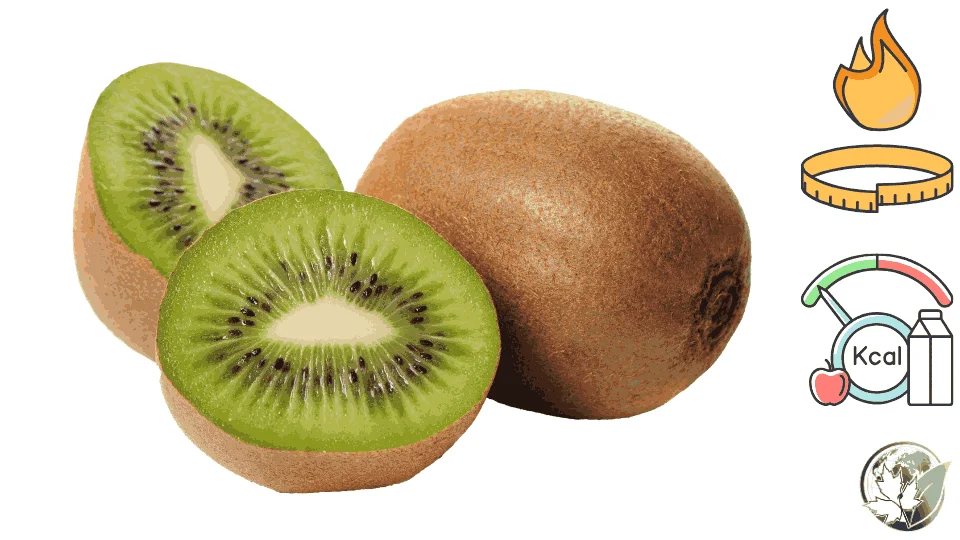
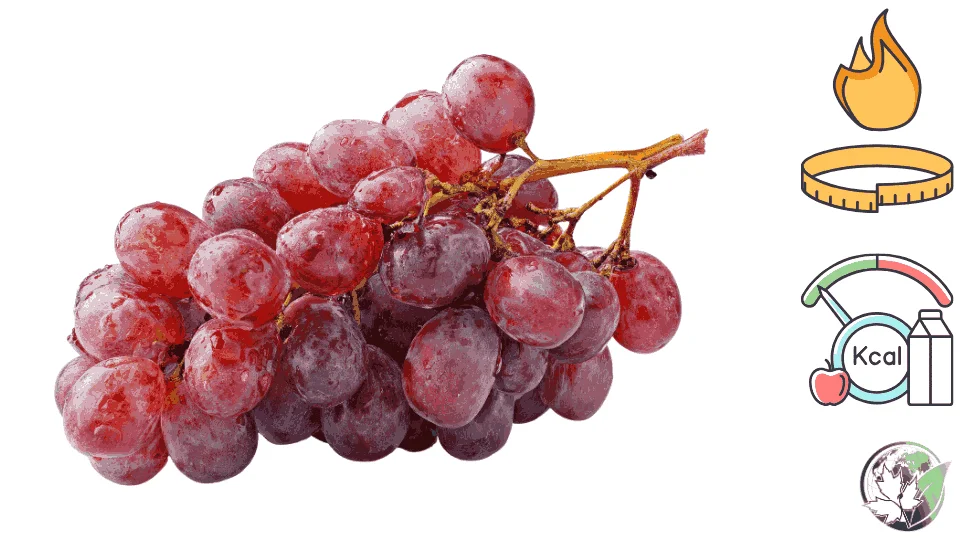
Per 100 grams, raw orange at about 47 calories is lower than apple at roughly 52, grapes around 69, and banana around the high 80s. Watermelon is lower at about 30. These comparisons are useful for understanding calorie density but should not be turned into a ranking of good and bad fruits.
Bananas provide more carbohydrate and energy in a compact portion, which can be useful when a person needs a more substantial snack. Grapes are easy to share and snack on. Apples often provide more fiber per fruit depending on size, and oranges are especially associated with vitamin C. Variety across fruits brings different nutrients and eating experiences.
For search users choosing between orange and mandarin, the difference is even smaller. Both citrus options are relatively low in calories, and the actual fruit size will usually matter more than the six-calorie difference per 100 grams.
How Preparation Changes Orange Calories
Peeling and segmenting an orange do not add calories. Chilling or freezing the pieces without additions also leaves the calorie content essentially unchanged by weight. The changes occur when water is removed or energy-dense ingredients are added.
Marmalade, candied orange peel, orange cake, sweetened orange sauces, and syrups can contain much more sugar than fresh fruit. Canned mandarin-style oranges packed in syrup may also have a very different calorie profile from fresh citrus. Always use the product label or recipe calculation for processed forms.
Dried orange slices concentrate the fruit because water is removed, just as raisins are more calorie-dense than grapes. If the dried product contains added sugar, the difference increases further. The phrase orange calories should therefore always be matched to the food form: whole, juice, dried, canned, or prepared.
How to Estimate Orange Calories Without Weighing
The simplest visual rule is to treat a medium orange as about 60 calories. A small orange is roughly 45 to 50, and a large one roughly 85 to 90. If the fruit is exceptionally large or small, use the 47-calorie-per-100-gram figure and a kitchen scale when precision matters.
For recipes, you can weigh the peeled sections. Multiply the edible grams by 0.47. Two hundred grams of orange sections is about 94 calories. If those sections are divided between two bowls, each receives about 47 calories from the orange.
When using packaged fruit, use the package label. Canned citrus may include juice, syrup, or sweeteners, and serving sizes vary. Product-specific information is more accurate than a generic raw-fruit estimate in that situation.
Practical Ways to Eat Oranges
Oranges are naturally portioned, portable, and versatile. The fruit can be eaten alone, added to salads, paired with yogurt, or used to brighten savory dishes. The best serving choice depends on whether you want a light snack, a larger breakfast, or a component of a meal.
- Eat one medium orange as a roughly 60-calorie snack.
- Add orange sections to plain yogurt instead of using a heavily sweetened fruit topping.
- Use orange segments in salads with measured nuts or cheese for texture and flavor.
- Choose whole oranges more often than large servings of juice when fiber and satiety are priorities.
- Use zest for flavor with minimal calories, but wash the peel and avoid consuming waxed or treated peel unless appropriate.
- For recipes, calculate the orange and added ingredients separately rather than assigning the raw-fruit calorie value to the finished dish.
A useful nutrition article should leave readers with practical anchors, not fear of fruit. For oranges, those anchors are simple: about 47 calories per 100 grams, about 60 calories for a medium fruit, and about 85 calories for a cup of sections.
Orange Portion Planning: Real-World Examples
Real-world orange portions are easiest to understand through common situations. A person who eats one medium orange after lunch adds roughly 62 calories. Someone who prepares a fruit bowl with 200 grams of orange sections adds about 94 calories from the orange. A smoothie made with 200 grams of orange plus banana, yogurt, and honey must include all of those ingredients in the final total.
A useful 100-calorie orange portion is a little over 210 grams of edible fruit. That can be more than one medium orange. By contrast, a 50-calorie portion is about 106 grams, close to a small orange. These examples show why orange is considered low in energy density: the physical amount of fruit needed to reach 100 calories is relatively large.
At breakfast, one orange can accompany eggs, toast, porridge, or yogurt without dominating the meal's calorie total. At a buffet, however, orange juice can be refilled several times without the drinker realizing that each glass may represent multiple fruits. The difference is not that juice suddenly becomes unhealthy; it is that liquid servings make total intake less visible.
For recipes, zest and juice serve different purposes. A teaspoon of zest contributes negligible energy, while the juice of several oranges contributes real carbohydrate and calories. If a sauce is reduced, water evaporates and the final spoonful becomes more calorie-dense even though the total calories in the pan remain the same unless ingredients are added or removed.
Orange desserts create another layer. Chocolate-dipped orange slices, candied peel, marmalade, and orange cake contain ingredients such as sugar, chocolate, butter, or flour. It is misleading to use the calorie number for a raw orange to describe these foods. A trustworthy article should always connect calorie information to the exact form of the food.
The same principle applies to restaurant salads. Orange segments may contribute fewer than 100 calories, while dressing, cheese, avocado, or nuts add much more. If a reader is tracking a meal, estimate the full recipe rather than focusing only on the fruit component. This contextual approach makes nutrition information more actionable and prevents the common mistake of labeling a dish low-calorie merely because it contains citrus.
Common Orange Calorie Mistakes
One common mistake is including the peel in a weighed serving even though it is not eaten. Another is assuming that an orange and a glass of juice have the same calories because they come from the same fruit. A glass of juice often contains the juice of multiple oranges.
A third mistake is comparing one whole orange with one whole mandarin without considering size. Per 100 grams, orange is slightly lower in calories; per piece, a mandarin is usually lower because it is smaller. Both statements can be true at the same time.
Finally, be cautious with exact figures on user-generated nutrition sites. Fruit values are averages, and databases can use different cultivars or survey samples. Rounded numbers and clear serving descriptions make the information more trustworthy and more useful for real-world eating.
Frequently Asked Questions
How many calories are in a medium orange?
A medium orange with about 131 grams of edible fruit contains approximately 62 calories. The actual number changes with fruit size and variety, so 60 to 65 calories is a practical estimate.
How many calories are in 100g of orange?
One hundred grams of raw orange contains about 47 calories. It also provides roughly 11.8 grams of carbohydrate and 2.4 grams of fiber.
Which has fewer calories, orange or mandarin?
Per 100 grams, orange is usually slightly lower at about 47 calories compared with about 53 for mandarin. Per fruit, a mandarin often has fewer calories because it is smaller.
Is orange juice higher in calories than a whole orange?
A typical cup of orange juice usually contains more total calories than one medium orange because it uses juice from multiple fruits. It also has less fiber than the whole fruit. Use the product label for the exact juice serving.
Does the type of orange change the calories?
Navel, Valencia, and blood oranges have broadly similar calorie density. Fruit size and edible weight usually create a bigger difference than variety, although sugar and water content can vary slightly.
Conclusion: Orange Calories Depend Mostly on Portion Size
Raw orange is a relatively low-calorie fruit at about 47 calories per 100 grams. A medium orange is around 62 calories, a small fruit roughly 45, and a cup of sections around 85. These are practical estimates rather than exact values for every cultivar and fruit size.
When comparing orange with mandarin, orange is slightly lower in calories per 100 grams, but mandarins are usually smaller and therefore often lower per piece. Both are nutrient-rich citrus fruits, and the small calorie difference should not be the only reason to choose one over the other.
The bigger nutritional distinction is whole fruit versus juice or processed orange products. Whole oranges retain more fiber and make portion size visible, while juice, marmalade, dried fruit, and sweetened products can concentrate calories. For everyday use, remember the simple anchors: about 47 calories per 100 grams and about 60 calories for a medium orange.
Nutrition Data Note
Nutrition values are rounded estimates based on standard raw orange and mandarin reference data commonly used in USDA FoodData Central-style databases. Values vary by cultivar, size, ripeness, edible yield, and preparation. Packaged juice and canned products should be calculated from their labels. This article provides general nutrition information, not individualized medical advice.