
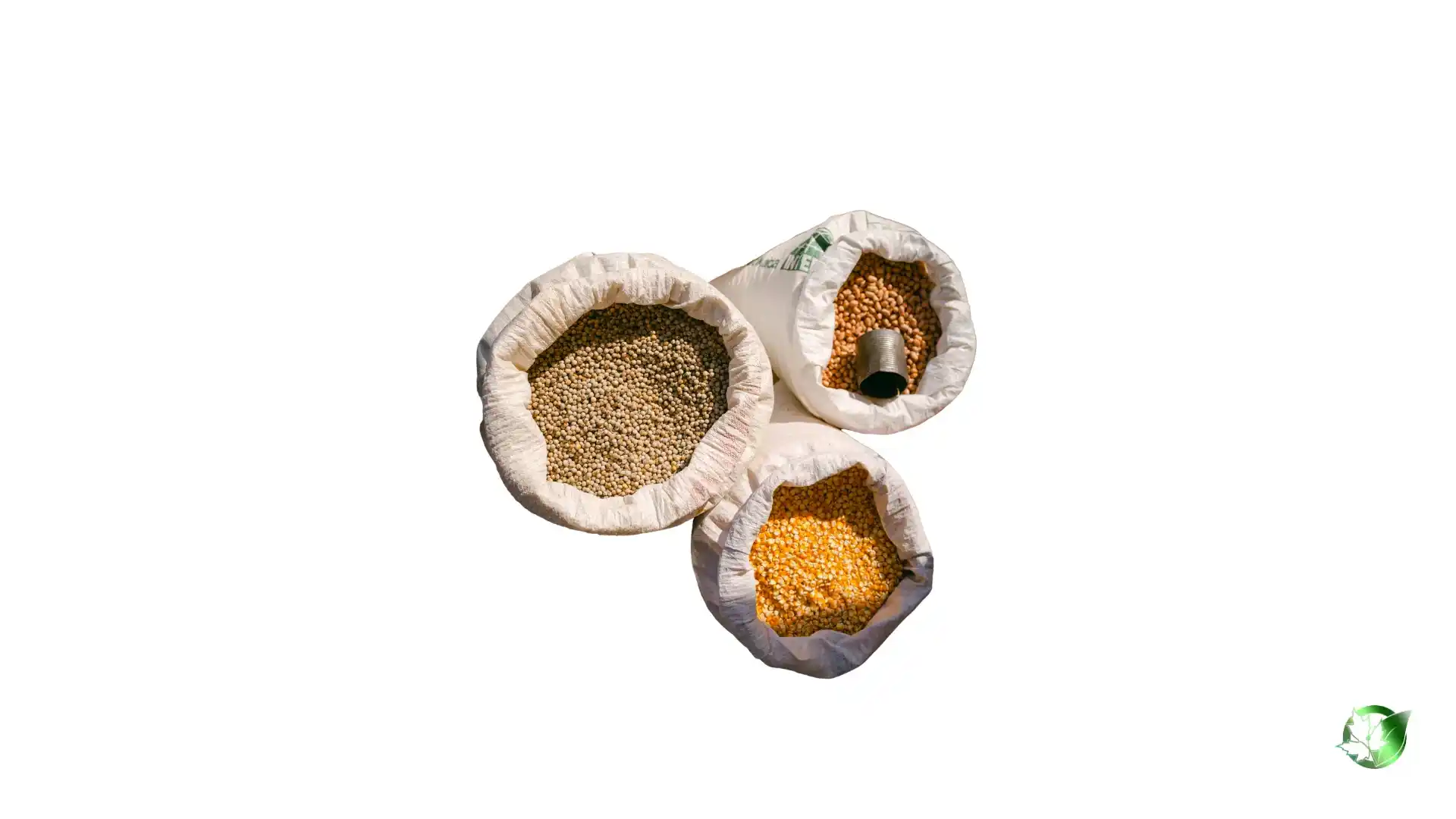
Cereals & Grains
No products found
Try another category or check back after new documents are published in the admin panel.
View all productsFrequently Asked Questions
Answers about Cereals & Grains products, sourcing, and ordering.
What information is needed to request a bulk Cereals & Grains quotation?
Provide the exact product form or variety, required grade, estimated quantity, intended use, preferred packaging, destination, and target delivery period. Include the Incoterm if known, along with mandatory certificates, testing, labeling language, allergen statements, or private-label requirements. For Cereals & Grains, it is also helpful to describe priorities related to varietal or product identity, uniform size, clean appearance, controlled moisture. A benchmark specification, photo, current label, or approved sample can make the quotation more accurate. Final minimum order, availability, lead time, and price are confirmed after the complete requirement is reviewed.
Can ParsaFood Global supply Cereals & Grains in private-label packaging?
Private-label options may be possible depending on the product, pack format, order quantity, printing method, and production schedule. Buyers should provide artwork dimensions, languages, barcode requirements, legal text, net weight, case markings, and destination rules early in the process. Custom packaging often requires a separate minimum quantity and additional lead time. Artwork must be approved before printing, and responsibility for regulatory review should be agreed. Neutral bulk or foodservice packaging may be a more efficient option for smaller trials or customers that repack locally.
What packaging formats are available for wholesale Cereals & Grains?
Possible formats depend on the product family and may include bulk bags, woven sacks with liners, private-label packs, and cartons for pasta. The best choice is determined by sales channel, opening frequency, warehouse conditions, freight efficiency, and the level of product protection required. Ask for net and gross weight, units per carton, carton dimensions, pallet configuration, and container estimates. All packaging materials, labels, and custom formats must be confirmed for the specific order.
How should wholesale Cereals & Grains be stored?
The recommended approach is dry, ventilated, pest-controlled storage with pallets off the floor, moisture protection, and disciplined stock rotation. Buyers should follow the final product specification and label, inspect deliveries immediately, record lot and date codes, and protect packs from damage or contamination. Temperature-sensitive goods require prompt transfer to the correct cold storage. Ambient goods still need protection from heat, humidity, sunlight, pests, and strong odors. After opening, handling instructions may change, so foodservice and industrial users should define resealing, refrigeration, and use-time procedures.
How can buyers compare different Cereals & Grains suppliers?
Compare offers using the same grade, net weight, packaging, remaining shelf life, delivery term, and document package. Evaluate the representative sample, specification match, quality evidence, packaging strength, traceability, lead time, communication, and destination readiness. Calculate total landed cost rather than focusing only on the unit price. For repeat programs, use a supplier scorecard that records conformity, shipment timing, document accuracy, customer feedback, and the handling of any issue. This creates a fair and commercially useful comparison.
Are samples and quality documents available for Cereals & Grains?
Sample and document availability depends on the selected product, producer, grade, destination, and stage of the inquiry. Buyers should specify which records are mandatory, such as moisture and foreign-matter data, lot coding, or fumigation or phytosanitary documentation where required. A sample should be identified as current stock, a production sample, or a reference grade, and any difference from the proposed commercial lot should be explained. Testing, inspection, and certificate arrangements need to be confirmed before production or loading, especially when a destination or customer has specific requirements.