
Bulk Mazafati Dates | Suppliers | Wholesale | ParsaFood Global

ParsaFood Global supplies Mazafati Dates in bulk and wholesale formats for professional food buyers. The page provides a detailed procurement framework covering product identity, soft moist flesh, dark color, fresh sweetness, and disciplined cold-chain handling, packaging, storage, shipping, compliance documents, and sample approval. It is written for importers, supermarket groups, foodservice distributors, processors, repackers, and private-label operators that need a practical way to compare offers. Rather than treating every shipment as a generic commodity, buyers can define the grade, intended application, pack style, order volume, destination, and performance requirements that influence the final quotation. Product availability and specifications may vary by season, crop, production schedule, and market rules. A complete inquiry helps reduce misunderstandings and supports faster, more accurate sourcing.
Bulk Mazafati Dates for Professional Buyers
Packing design, MOQ, production timing, route conditions, and destination requirements must be considered together. The target use matters: a format selected for snack brands may not be the best choice for hospitality and foodservice or confectionery companies. All final specifications, certificates, pack formats, and agreed business conditions remain subject to confirmation for the selected origin, producer, and destination market. Mazafati Dates is purchased by category buyers for a wide range of retail, foodservice, manufacturing, and distribution requirements. By defining the requirement early, customers are able to reduce avoidable substitutions, quality disputes, relabeling costs, and shipment delays. This guide gives buyers a practical framework for comparing supply options, approving samples, and preparing a complete supply proposal request. For an importer or wholesale buyer, the value of mazafati dates depends on much more than the product name printed on a supply proposal. ParsaFood Global approaches mazafati dates sourcing as a structured dried fruit supply program rather than a one-size-fits-all transaction. A useful trade specification should clarify soft moist flesh, dark color, fresh sweetness, and disciplined cold-chain handling, because these details influence performance, customer acceptance, storage, and landed cost.

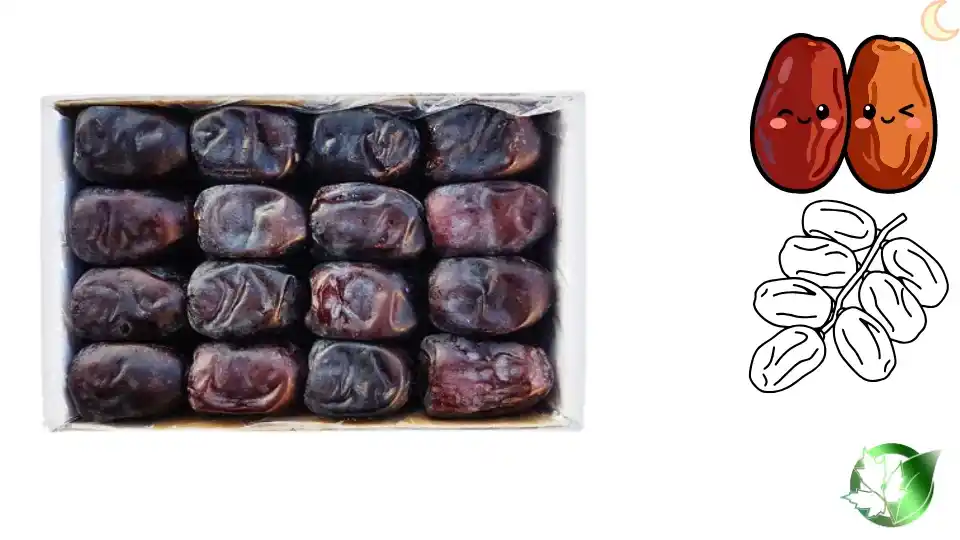
Commercial presentation of Mazafati Dates for wholesale product evaluation and buyer review.
Buyer Segments and Uses for Mazafati Dates
The commercial profile of mazafati dates begins with a clear description of the form being purchased. Depending on the product, buyers may need to define variety, grade, size, cut, processing method, ingredient composition, moisture, concentration, or pack style. For this item, the most relevant discussion usually includes soft moist flesh, dark color, fresh sweetness, and disciplined cold-chain handling. These points should be connected to the target use rather than copied from a generic specification. A distributor serving snack brands may value broad consumer appeal and robust packaging. A manufacturer supplying hospitality and commercial kitchens may need tighter consistency because even a small variation can affect recipe yield or processing speed. A careful buyer will also state whether substitutions are acceptable and whether a pre-shipment evaluation sample must match a retained reference. Such details make commercial negotiation faster because both sides understand what can change and what is essential.
| Specification Area | Wholesale Buyer Consideration |
|---|---|
| Product identity | Confirm the exact form, variety, processing style, or composition of Mazafati Dates. |
| Primary quality focus | Soft moist flesh, dark color, fresh sweetness, and disciplined cold-chain handling. |
| Target buyer | Suitable options may be developed for snack brands, hospitality and food-service operations, and confectionery companies. |
| Pack strategy | Common discussions include grocery retail-ready pouches, own-label packs, and bulk sacks for processing. |
| Holding conditions plan | A cool, dry, odor-free warehouse with sealed packaging, pest control, and protection from heat, humidity, and direct sunlight. |
| Commercial variables | Grade, volume, packaging, destination, season or production schedule, required records, and Incoterm. |
Buyer Segments for Wholesale Mazafati Dates
Bakery manufacturers: specify a format and unit weight that supports the channel’s handling, presentation, and turnover.
Hospitality and foodservice: specify a format and net weight that supports the channel’s handling, presentation, and turnover.
Ingredient blenders: specify a format and package size that supports the channel’s handling, presentation, and turnover.
Snack brands: specify a format and individual pack size that supports the channel’s handling, presentation, and turnover.
Retail repackers: specify a format and case or unit size that supports the channel’s handling, presentation, and turnover.
Breakfast cereal producers: specify a format and individual pack size that supports the channel’s handling, presentation, and turnover.
Confectionery companies: specify a format and net weight that supports the channel’s handling, presentation, and turnover.
Mazafati Dates quality, format, and packaging should be matched to the buyer’s target application.
The Business Case for Sourcing Mazafati Dates at Scale
Cash flow and inventory velocity shape the real profitability of mazafati dates. Large purchases may reduce the unit cost, but they also tie up working capital and increase exposure to slow sales, expiry, damage, or price movement. An importer needs to compare full delivered cost with expected monthly usage and the time needed to collect from customers. Net weight, case configuration, and minimum trade volume should match realistic turnover. A staged purchasing plan or more frequent replenishment can sometimes outperform one oversized shipment. The right commercial decision balances margin per unit with the speed and reliability of converting inventory back into cash.
Private-label flexibility: discuss printed packaging, stickers, master cartons, or neutral bulk formats subject to volume and production timeline.
Scalable supply: begin with an approved specification that can enable replenishment shipments when availability and market conditions permit.
Clearer quality comparison: evaluate samples and offers using the same grade, pack weight, and testing criteria.
Channel-specific packaging: select formats for snack brands, hospitality and foodservice, or confectionery companies instead of adapting unsuitable store-based sales packs.
Improved inventory planning: match remaining product life, production date, transit period, and expected monthly sales.
Lower hidden cost: reduce losses caused by breakage, trimming, leakage, caking, temperature abuse, or inconsistent performance, based on the product.
More efficient logistics: consolidate case quantities, pallet plans, and shipment timing around actual demand.
Better specification control: define controlled color, clean flavor, and acceptable tolerances before accepting the order.
Case, Foodservice, and Industrial Packaging
Packaging is a commercial decision, not merely a container around mazafati dates. It protects quality, influences freight efficiency, affects labor at the destination, and shapes how customers perceive the product. Typical discussions might contain retail-ready pouches, bespoke-label packs, bulk sacks for processing, or vacuum packs, as determined by the family and planned application. Retail buyers usually need consumer-facing artwork, barcode placement, legal text, and shelf dimensions. From a margin standpoint, foodservice customers tend to prioritize easy opening, portioning, resealing, and low waste. Industrial users may prefer larger formats that integrate with handling or production systems. Every format should be reviewed for net content, material compatibility, barrier performance, stacking strength, and the route’s temperature and humidity exposure. Custom packaging can call for minimum print quantities and longer preparation time, so artwork approval should begin early.
| Pack presentation Route | Commercial Use |
|---|---|
| Neutral export pack | Useful when the buyer will relabel, repack, or distribute under separate arrangements. |
| Industrial bulk pack | Reduces packaging per kilogram and supports processing, repacking, or high-volume use. |
| Retail-ready pack | Designed for shelf presentation, consumer information, and channel-specific net weights. |
| Master carton and pallet | Must protect Mazafati Dates during stacking, handling, container loading, and destination warehousing. |
| Foodservice format | Balances larger volume with practical opening, dispensing, resealing, and kitchen holding conditions. |
| Private label | May include buyer artwork, barcodes, languages, and case markings, subject to minimums and production timeline. |

Wholesale packaging for Mazafati Dates can be planned for retail, foodservice, bespoke-label, or industrial-scale distribution.
Warehouse and Transport Guidance for Mazafati Dates
The quality of mazafati dates can decline after production if holding conditions and transport conditions are poorly managed. For category managers, the general requirement for this category is a cool, dry, odor-free warehouse with sealed packaging, pest control, and protection from heat, humidity, and direct sunlight. Purchasing teams should translate that guidance into measurable warehouse and logistics procedures. Receiving teams need to inspect vehicle or container condition, pallet stability, carton damage, seals, labels, lot codes, and product temperature where relevant. Stock should be placed in the correct zone promptly rather than left on an exposed loading dock. First-expired-first-out rotation is preferable when commercial shelf window varies by lot. Open or damaged packs should be isolated and assessed under a documented procedure. Strong odors, direct sunlight, moisture, pests, excessive pressure, and temperature cycling are common causes of avoidable loss across many food categories.
Train warehouse teams to avoid puncture, crushing, dropping, or overstacking during internal movement.
Keep cartons or sacks on clean pallets with enough clearance for inspection, airflow, and pest control.
Do not place Mazafati Dates beside chemicals, fuel, strongly scented materials, or incompatible food allergens.
Use the storage management condition stated in the final Mazafati Dates specification and on the approved label.
Monitor open-pack handling and define whether refrigeration, resealing, decanting, or a shorter use period is required.
Review stock weekly against expected sales so slow-moving inventory can be managed before quality or remaining remaining product life becomes a problem.
Record lot numbers and date codes at receiving so complaints, recalls, and rotation can be managed accurately.
Inspect seals, liners, closures, vacuum, glaze, or temperature indicators that are relevant to this product format.
How to Evaluate Mazafati Dates Quality Before Ordering
A useful Mazafati Dates specification separates identity, safety, and commercial preference. Identity confirms that the correct product, form, variety, or composition is being supplied. Safety and compliance cover mandatory limits and destination rules. Commercial preference addresses soft moist flesh, dark color, fresh sweetness, and disciplined cold-chain handling, together with presentation and performance in the chosen channel. These groups should not be mixed into vague words such as “premium” or “excellent.” Instead, the customer is advised to state observable targets for low foreign-material tolerance, fruit identity and varietal character, and balanced moisture. That structure makes sampling, negotiation, inspection, and any later claim more objective.
Confirm the exact commercial name and form of Mazafati Dates; avoid vague descriptions that could permit an unsuitable substitute.
Ensure that labels, ingredient declarations, allergens, language, date format, and destination rules are reviewed before printing.
Record acceptable tolerances, the procedure for non-conformity, and whether minor commercial adjustments are allowed.
Request a representative evaluation sample from the same grade and, where possible, the same production or crop context as the proposed shipment.
State minimum remaining stated shelf period or acceptable production dates at the time of dispatch and arrival.
Agree on testing, inspection, photo evidence, or pre-shipment approval procedures appropriate to the value and risk of the order.
Define measurable or observable targets for controlled color, clean flavor, and balanced moisture.
Review packaging strength, seal quality, net weight, case dimensions, and pallet configuration, well beyond the product inside.
Quality Records for Repeat Orders
Documentation requirements for mazafati dates vary by product, origin, destination, and buyer policy. In practical terms, a professional inquiry should identify mandatory documents early, because certificates cannot always be added after production or loading. Depending on the transaction, the document set might contain ingredient and agreed product brief, lot and production coding, origin declaration, and microbiological and residue testing options. Importers need to distinguish between documents required by customs, documents required by a retailer or manufacturer, and optional reports used for internal quality assurance. Names, addresses, product descriptions, lot codes, weights, and dates should remain consistent across the invoice, packing list, certificate, and label. For sensitive products, destination eligibility and testing plans should be confirmed before a deposit or packaging commitment. ParsaFood Global can review requested documentation with the proposed supply source, but final availability must be verified for each commercial lot.
Questions to Ask Every Mazafati Dates Supplier
Commercial supplier comparison for mazafati dates should be based on equivalent offers. A price is not comparable when one quote uses a different grade, net weight, pack material, shelf-life position, delivery term, or document package. Commercial buyers benefit when they normalize each proposal to a common unit and calculate the complete delivered expense. They should also consider the supplier’s ability to communicate specification changes, provide accurate documents, protect the cargo, and support repeat ordering. Consistency is particularly valuable when the buyer has invested in customer approval, labels, menu development, or manufacturing trials. A slightly lower price may not compensate for unpredictable quality or repeated delays. The comparison table below provides a practical framework that can be adapted to the value and risk of the order.
| Comparison Criterion | Questions for the Buyer |
|---|---|
| Specification match | Does the offer clearly meet the approved Mazafati Dates form, grade, quality targets, and tolerances? |
| True landed cost | Compare product, packing, inland transport, freight, insurance, duty, testing, handling, and expected loss. |
| Pack presentation fitness | Check barrier, strength, net weight, label compliance, pallet stability, and channel suitability. |
| Quality evidence | Review approval samples, lot data, certificates, testing options, traceability, and inspection arrangements. |
| Supply reliability | Assess production capacity, seasonality, production timeline, communication, and repeat-order consistency. |
| Destination readiness | Confirm documents, eligibility, language, marking, and any market-specific import requirements. |
| Commercial flexibility | Consider minimum order, mixed loading, customization, payment terms, and realistic problem resolution. |

Source evaluation for Mazafati Dates should cover specification, packaging, trade documentation, logistics, and full delivered cost.
Step-by-Step Wholesale Procurement
A complete request for formal quote helps the supplier respond with relevant options instead of a generic price. For repeat purchasing, the inquiry should begin with the exact product name, form, grade, and commercial application. It should then state estimated order volume, preferred case or unit size, destination, Incoterm, delivery window, and documentation requirements. Commercial buyers benefit when they explain whether the project is a trial order, a seasonal promotion, or a repeat program. This context affects production planning and the type of packaging or benchmark sample that is practical. For Mazafati Dates, it is especially useful to mention priorities related to soft moist flesh, dark color, fresh sweetness, and disciplined cold-chain handling. Where the budget is fixed, a professional purchaser should identify which requirements are mandatory and which can be adjusted. That allows a supplier to propose a commercially realistic alternative without weakening the core product promise.
Send a written brief for Mazafati Dates, including grade, form, quality targets, and chosen use.
State the required quantity or expected monthly volume, plus any tolerance for shipment size.
Select a packaging route and provide label or customer-brand requirements before final costing.
Confirm destination country, port or delivery point, preferred Incoterm, and target shipping window.
List mandatory certificates, tests, language requirements, and import conditions.
Review a approval sample, technical specification, photos, packaging details, and available quality records.
Approve purchase terms, payment structure, production order-to-dispatch period, and the procedure for any specification change.
Confirm pre-shipment checks, loading plan, document drafts, and communication contacts.
After arrival, record receiving results and use them to improve the next order.
Common Bulk Buying Mistakes
Late compliance review: checking label text, certificates, destination rules, or ingredient declarations after production has started.
Vague product description: using “Mazafati Dates” without defining the commercial grade, form, or performance expected.
Over-ordering: buying more than the sales plan can rotate within the desired remaining usable shelf window.
Weak logistics planning: failing to match the storage management and transport method to a cool, dry, odor-free warehouse with sealed packaging, pest control, and protection from heat, humidity, and direct sunlight.
Unclear acceptance tolerance: demanding perfect uniformity without a measurable, commercially realistic standard.
No representative reference sample: approving a photo or a small non-commercial reference sample without documenting its relationship to the shipment.
Unequal price comparison: comparing different net weights, pack styles, quality levels, or Incoterms as though they were identical.
Ignoring feedback: repeating the same specification without using warehouse, customer, kitchen, or production-line results.
How ParsaFood Global Supports Your Supply Program
ParsaFood Global helps experienced importers structure inquiries for bulk Mazafati Dates and review available supply options against practical commercial requirements. The process begins with the buyer’s target grade, use, volume, destination, and packaging preference. Based on that information, the team can discuss available product forms, typical minimum order considerations, evaluation sample possibilities, labeling, documents, and shipment planning. Where a request involves store-brand production or special packing, the scope should include artwork timing, print quantities, case marking, and approval responsibility. Where the product is seasonal, chilled, frozen, origin-sensitive, or subject to destination controls, availability and eligibility need to be checked before final commitment. From a margin standpoint, the aim is to create a traceable commercial path from inquiry to evaluation sample, specification, trade quotation, order confirmation, loading, and repeat purchase. ParsaFood Global does not replace the buyer’s import or regulatory responsibilities; instead, it supports clearer coordination with the proposed supply chain.
Request a Bulk Mazafati Dates Quotation
To request a formal quote for mazafati dates, send a concise but complete purchasing brief. Include the exact product or preferred variety, target grade, target use, order quantity, package size, destination, and required delivery period. Add any mandatory certificate, laboratory, labeling, language, allergen, or bespoke-label requirements. If you have an existing specification, product photo, label, benchmark benchmark sample, or target price basis, include it for reference. State whether alternatives are acceptable and which characteristics cannot change. For repeat demand, share an estimated monthly or annual forecast so packaging and production options can be discussed more efficiently. A complete brief allows ParsaFood Global to screen supply options and prepare a proposal that is more relevant than a generic market price. Final availability, minimum order, preparation period, specification, and agreed business conditions will be confirmed for the individual inquiry.
Final Procurement Perspective
Successful trade purchasing of mazafati dates depends on alignment between the product, the customer, the packaging, and the route. Procurement managers are advised to begin with soft moist flesh, dark color, fresh sweetness, and disciplined cold-chain handling, then define measurable acceptance criteria, documentation, inventory protection, and purchase terms. They should compare offers using all-in receiving cost and saleable performance rather than headline price alone. Representative sampling, clear labels, suitable packaging, and disciplined receiving checks reduce risk and support repeat business. ParsaFood Global can assist with sourcing coordination for importers, distributors, retailers, foodservice operators, manufacturers, and own-label customers. Send the required grade, quantity, destination, pack preference, and target use to begin a focused discussion about bulk Mazafati Dates supply.